Where to Stay in Kyoto: Kawaramachi, Gion or Kyoto Station?
Short answer: Kawaramachi for a first trip, Gion for atmosphere, Kyoto Station for short stays and day trips by train. Eight areas compared by station.
For a first trip to Kyoto, stay downtown in Kawaramachi, round the Shijo-Kawaramachi crossing. For atmosphere, stay in Gion, in the teahouse streets below Yasaka Shrine. If your trip is short, or you’ll be on a train to Nara, Osaka or Himeji most days, stay by Kyoto Station. That’s the short answer.
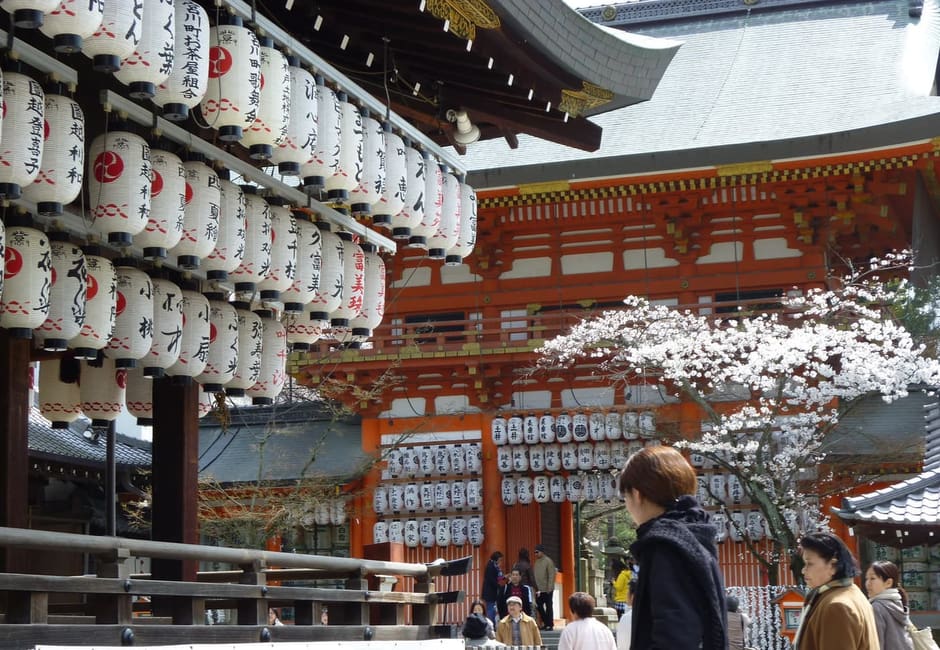
Kawaramachi wins on trains and evenings. Hankyu, Keihan and the Tozai subway line all stop there, Nishiki Market and Pontocho are on your doorstep, and Yasaka Shrine’s gate is about 13 minutes away on foot. Most of this site’s neighbourhood guides end their stay advice the same way. If you’d like to walk home after dinner in Gion, sleep downtown.
Gion’s case is the hours you can keep. Yasaka Shrine’s grounds never close, so you can be there before the crowds and back in the teahouse streets at dusk. Kyoto Station’s case is the trains. The Tokaido Shinkansen gets you here from Tokyo in about 130 minutes on a Nozomi, and the Haruka from Kansai Airport in about 80.
Wherever you book, sleep near a station, not a bus stop. The Kyoto City Tourism Association warns that buses such as the 205 to Kinkaku-ji and the 206 towards Kiyomizu-dera can be very crowded depending on the season, and it points visitors to the subway, JR, Hankyu and Keihan. Kyoto also asks you to keep large luggage off its city buses. Each of the eight main areas below links its neighbourhood guide and a map view of its places, so you can see what’s a walk from a hotel before you book.
Kyoto’s main areas to stay, compared
| Area | Best for | Stations and lines | Within a walk |
|---|---|---|---|
| Kawaramachi | A first trip, dinners you walk home from | Kyoto-Kawaramachi (Hankyu), Sanjo and Gion-Shijo (Keihan), Kyoto Shiyakusho-mae (Tozai Line) | Nishiki Market, Pontocho, the Teramachi and Shinkyogoku arcades, the Kamo River |
| Gion | Atmosphere, ryokan, evenings in the teahouse streets | Gion-Shijo (Keihan), Higashiyama (Tozai Line) | Yasaka Shrine, Hanamikoji-dori, Kennin-ji, Gion Shirakawa |
| Kyoto Station | Short trips, day trips, early and late trains | Tokaido Shinkansen, JR lines, Karasuma Line, Kintetsu Kyoto Line | Higashi Hongan-ji, Nishi Hongan-ji, To-ji, Kyoto Tower |
| Shijo-Karasuma | Lots of train rides, early breakfasts, wet days | Shijo and Karasuma Oike (Karasuma Line), Karasuma Oike (Tozai Line), Karasuma (Hankyu) | Rokkaku-do, Nishiki Market, the Kyoto International Manga Museum |
| Higashiyama | Kiyomizu-dera at opening, calm evenings | Kiyomizu-Gojo and Shichijo (Keihan), city buses to Gojozaka | Kiyomizu-dera, Sannenzaka and Ninenzaka, Sanjusangendo |
| Okazaki | Museums, gardens, early starts | Higashiyama and Keage (Tozai Line) | Heian Shrine, Nanzen-ji, the two art museums, Kyoto City Zoo |
| Nijo | Nijo Castle at 8:45, a calmer base | Nijojo-mae (Tozai Line), Nijo (JR Sagano Line, Tozai Line), Omiya (Hankyu) | Nijo Castle, Shinsen-en, Mibu-dera, the Sanjo-kai arcade |
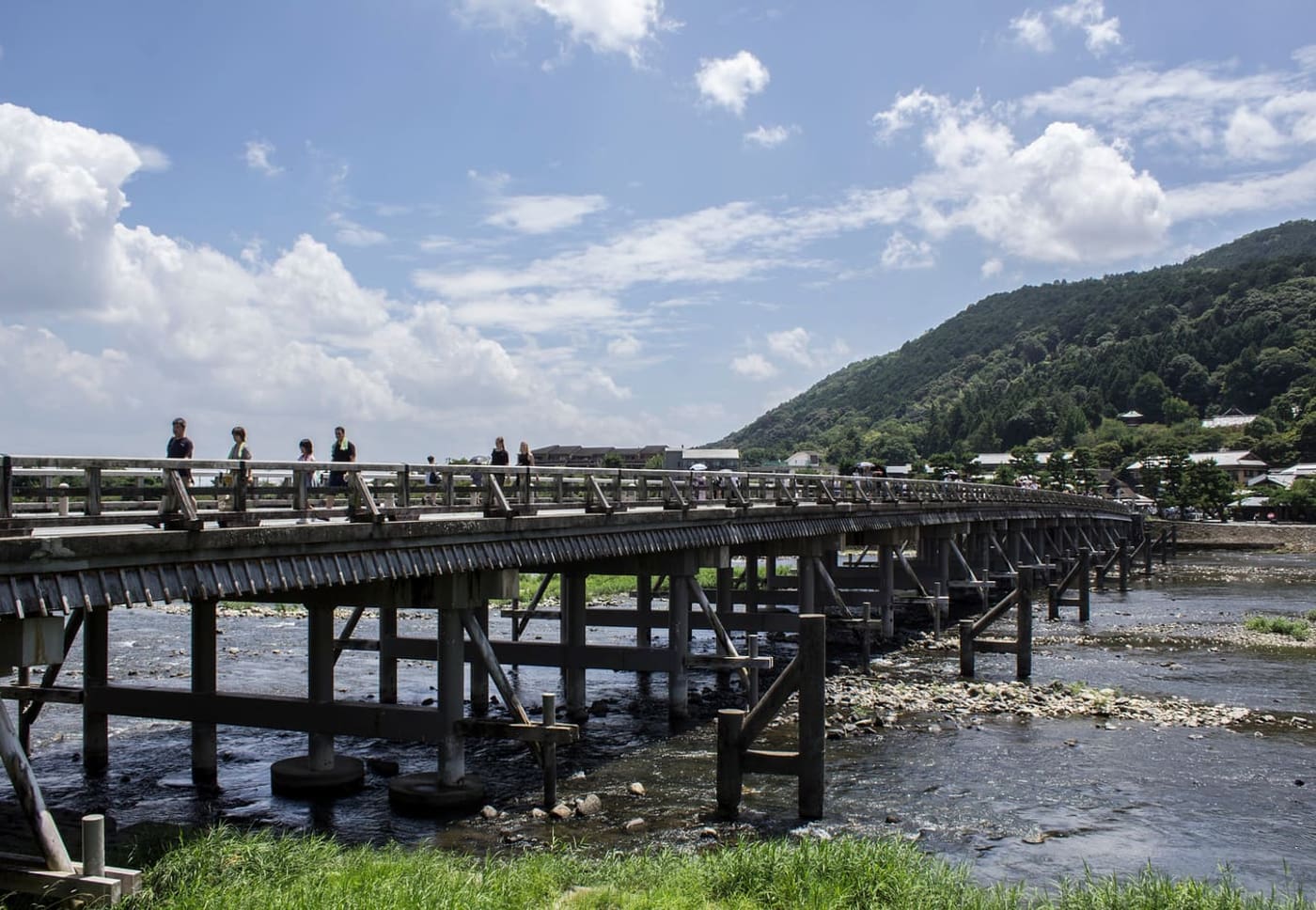
| Arashiyama | The bamboo grove at first light | Saga-Arashiyama (JR Sagano Line), Arashiyama (Randen, Hankyu) | Arashiyama Bamboo Grove, Tenryu-ji, Togetsukyo Bridge |
Kawaramachi: downtown, and the pick for a first trip
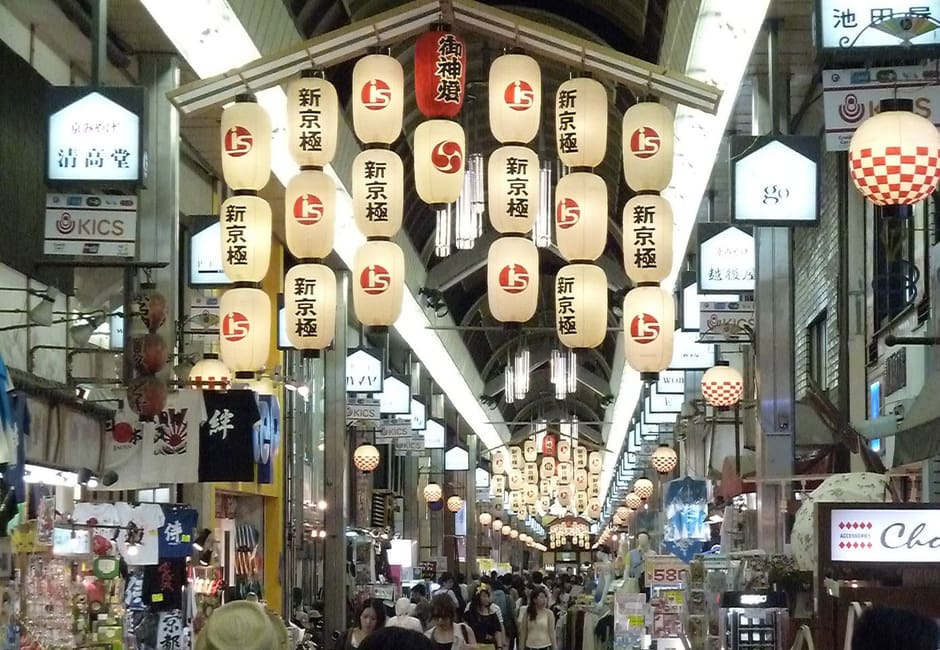
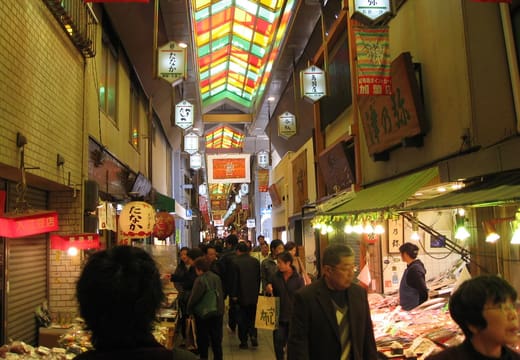
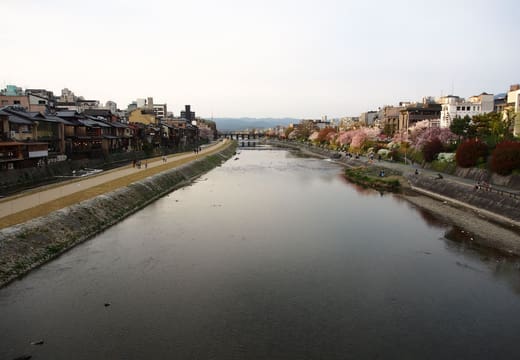
Kawaramachi is the shopping streets round the Shijo-Kawaramachi crossing, with the Teramachi and Shinkyogoku Arcades running north, Nishiki Market running west and Pontocho squeezed in between the Takase canal and the Kamo River. You’ll come here to eat, and if you sleep here you won’t need a train to get back. Bar K6 on Kiyamachi pours until 2:00.
The tourism association lists traditional ryokan, guesthouses and designer hotels round Shijo-Kawaramachi and Shijo-Karasuma. Hotel Okura Kyoto, at the Kawaramachi-Oike corner, connects straight to Kyoto Shiyakusho-mae Station on the Tozai Line. The Royal Park Hotel Kyoto Sanjo is about 3 minutes’ walk from Keihan’s Sanjo Station, and The Gate Hotel Kyoto Takasegawa is 3 minutes from the Kiyamachi north exit of Kyoto-Kawaramachi. You’ll change trains once coming from Kyoto Station, at Shijo for Hankyu or at Karasuma Oike for the Tozai Line, and Hankyu limited expresses from Osaka-umeda take about 43 minutes.
Read the Kawaramachi guide or see its places on the map.
Gion: atmosphere and ryokan
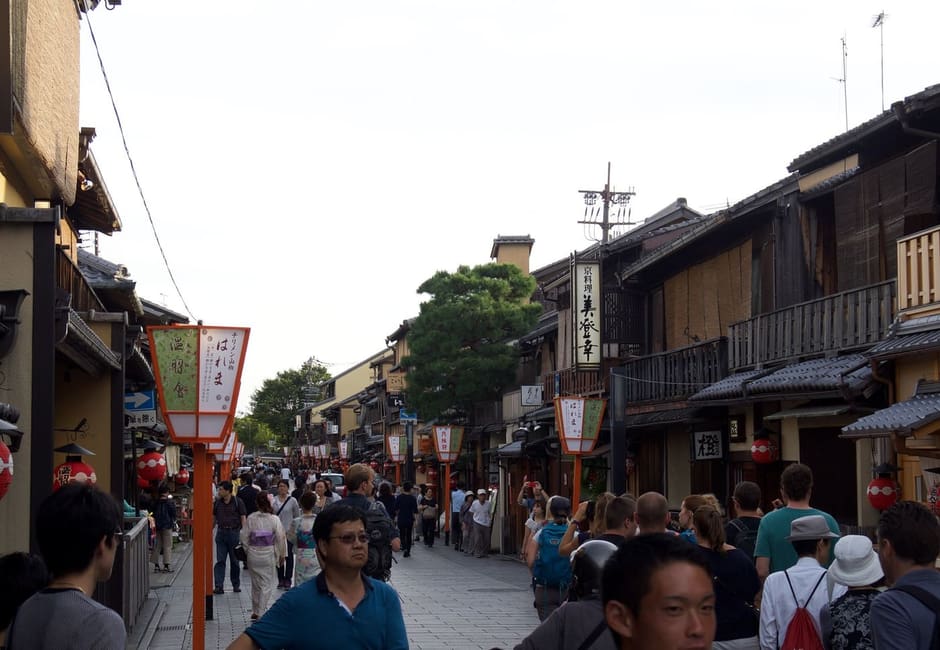
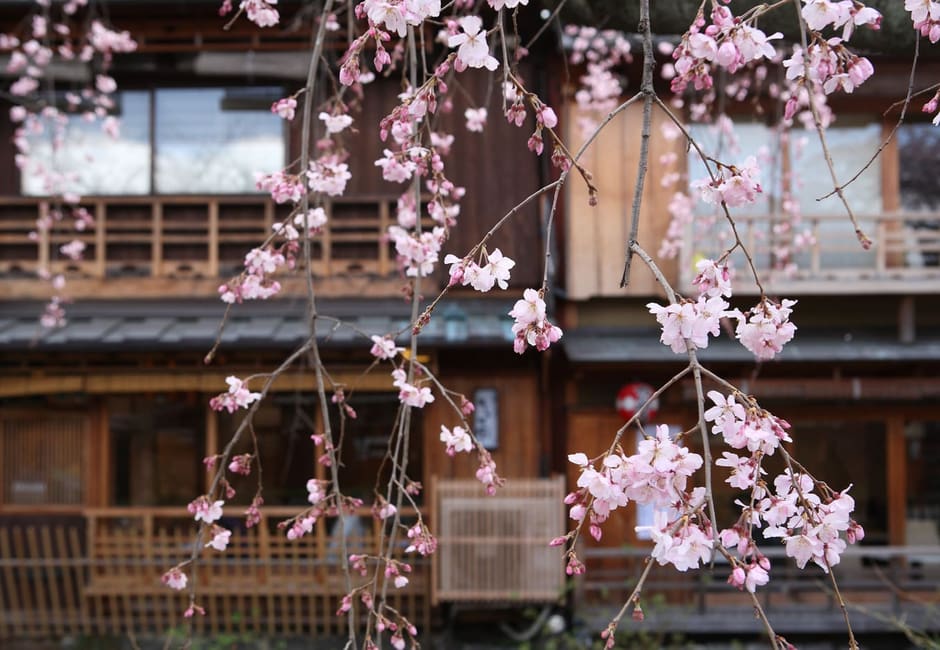
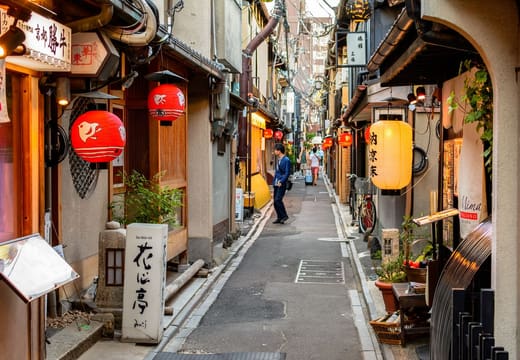
Gion grew up as the town at the gate of Yasaka Shrine, and it’s still where Kyoto’s geiko and maiko live and work. Its teahouses line Hanamikoji-dori, and north of Shijo-dori the machiya of Gion Shirakawa face the canal. Stay here and you can do the shrine first thing and the streets at dusk without a train either time.
It’s ryokan country. The tourism association says Gion and Higashiyama have many long-standing ryokan as well as luxury hotels run by global companies. Gion Shinmonso, a 21-room ryokan on the Shirakawa, is close to Tatsumi Bridge. The Celestine Kyoto Gion, on Yasaka-dori, is about 10 minutes on foot from exit 1 of Gion-Shijo Station and runs a free shuttle bus from Kyoto Station.
If you see a geiko or maiko in the street, let her pass. Don’t stop, touch, follow or photograph her without asking. Got big cases? The Karasuma and Tozai lines get you from Kyoto Station to Higashiyama in about 15 minutes, with a change at Karasuma Oike.
Read the Gion guide or see its places on the map.
Kyoto Station: short trips and day trips
Kyoto Station is the city’s biggest gateway, and that’s the reason to sleep here. Hotel Granvia Kyoto connects directly to the station, and Kyoto Tower Hotel is 2 minutes’ walk from the Karasuma central exit. The tourism association says the area has many large hotels and business hotels, so it’s fairly easy to find a room even in peak season. It’s also got plenty of coin lockers and luggage counters.
From here Nara is about 35 minutes away on the Kintetsu limited express, Uji 17 minutes on the JR Miyakoji Rapid and Himeji about an hour and a half on the JR Special Rapid (the castle’s a 20-minute walk from the station). Osaka’s about 30 minutes on the JR Special Rapid, and Fushimi Inari Taisha about 9 on the JR Nara Line. The day trips guide has more.
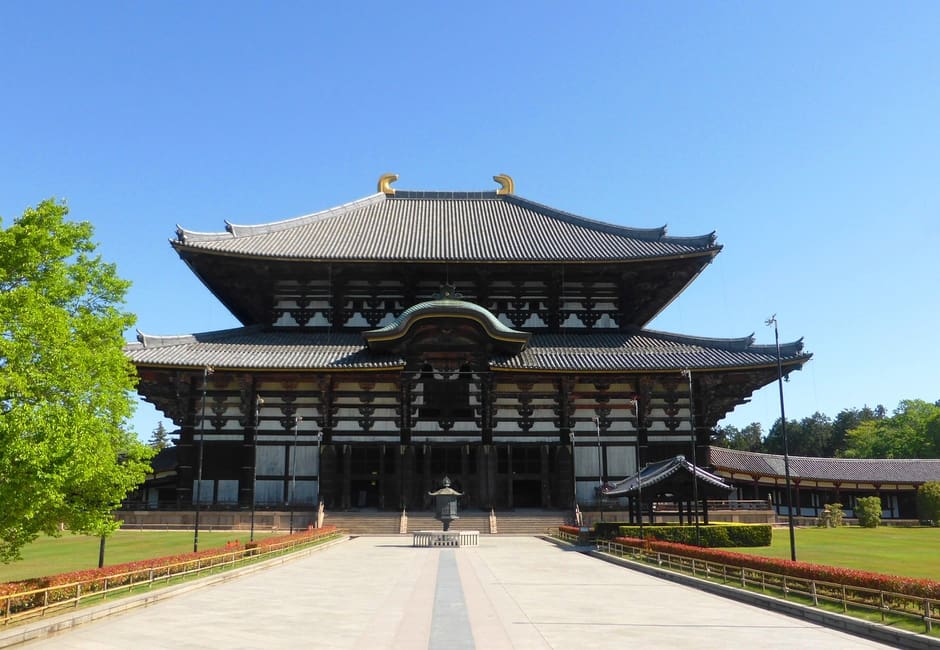
You won’t be short of things to do on your doorstep either. Higashi Hongan-ji is 7 minutes north on foot and free, and Honke Daiichi Asahi serves ramen from 6:00. The catch is the crowd. Kyoto City’s tourism site even tells visitors to avoid getting off at JR Kyoto Station when they can.
Read the Kyoto Station guide or see its places on the map.
Shijo-Karasuma: for lots of train rides
Shijo-Karasuma is the business district, where the Karasuma subway line meets the Hankyu line from Osaka. It doesn’t look much like the Kyoto on the posters, but you’ll get around easily. Shijo is 4 minutes from Kyoto Station, Karasuma Oike 6, and at Karasuma Oike the Tozai Line reaches Higashiyama in about 5.
Ace Hotel Kyoto, the chain’s first in Japan, is part of Shinpuhkan and connects straight to Karasuma Oike Station. Mitsui Garden Hotel Kyoto Shijo is 6 minutes from exit 2 of Shijo Station. Inoda Coffee’s main shop opens at 7:00, and the Kyoto International Manga Museum is there for a wet day. Skip mid-July unless you’re coming for the Gion Matsuri, when its floats stand in these streets for the yoiyama evenings of 14 to 16 July.
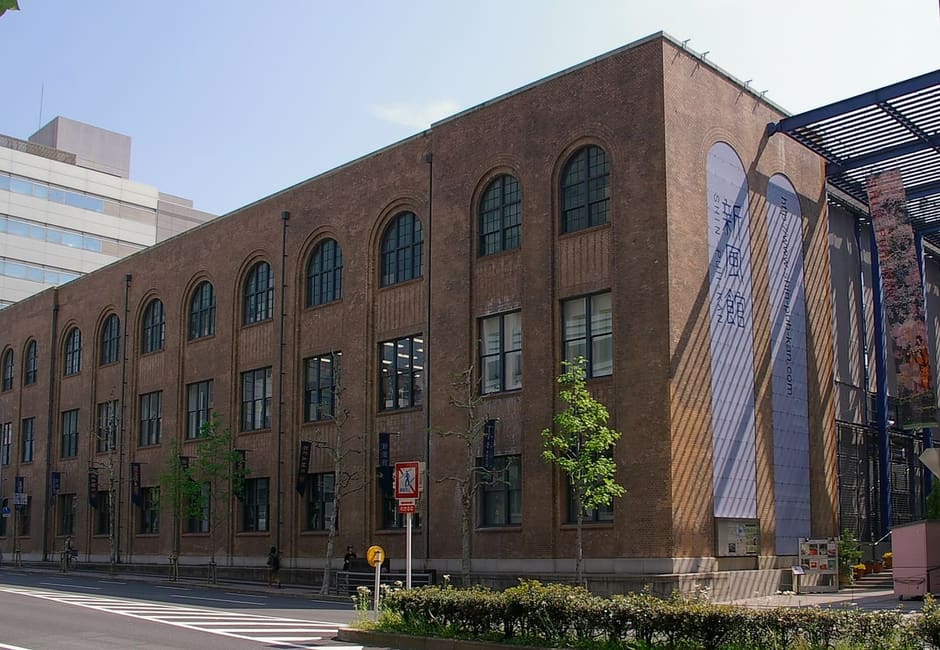
Read the Shijo-Karasuma guide or see its places on the map.
Higashiyama: Kiyomizu-dera before the crowds
This site’s Higashiyama is the slope from Kiyomizu-dera down to Shichijo-dori. The temple’s gates open at 6:00, so if you’re sleeping on the hill you can be on its wooden stage long before the crowds, then walk Sannenzaka and Ninenzaka before the shops open. As in Gion, the tourism association lists long-standing ryokan and luxury hotels.
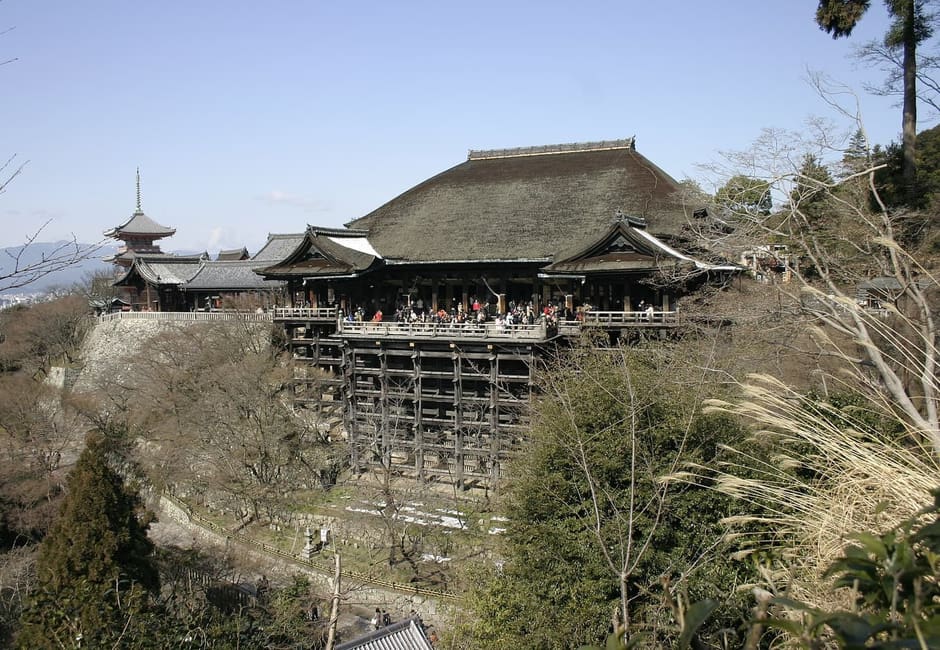
Check how far up the hill your place is. Keihan’s Kiyomizu-Gojo Station is at the bottom, about 25 minutes’ walk below the temple, the lanes near the top are stepped, and Kiyomizu-zaka is closed to cars from 8:00 to 19:00. Most places close by 18:00, so you’ll eat dinner in Gion, a walk north. It suits early risers who’d rather have a calm evening than a bar crawl.
Read the Higashiyama guide or see its places on the map.
Okazaki: museums, gardens and early nights
Okazaki is Kyoto’s museum quarter, round Heian Shrine, with Nanzen-ji a walk east along the Lake Biwa Canal. The Westin Miyako Kyoto is by Keage Station and runs a free bus from Kyoto Station that takes about 25 minutes, and Yachiyo, a ryokan, stands right beside Nanzen-ji. By subway, Higashiyama Station’s about 15 minutes from Kyoto Station, changing at Karasuma Oike.
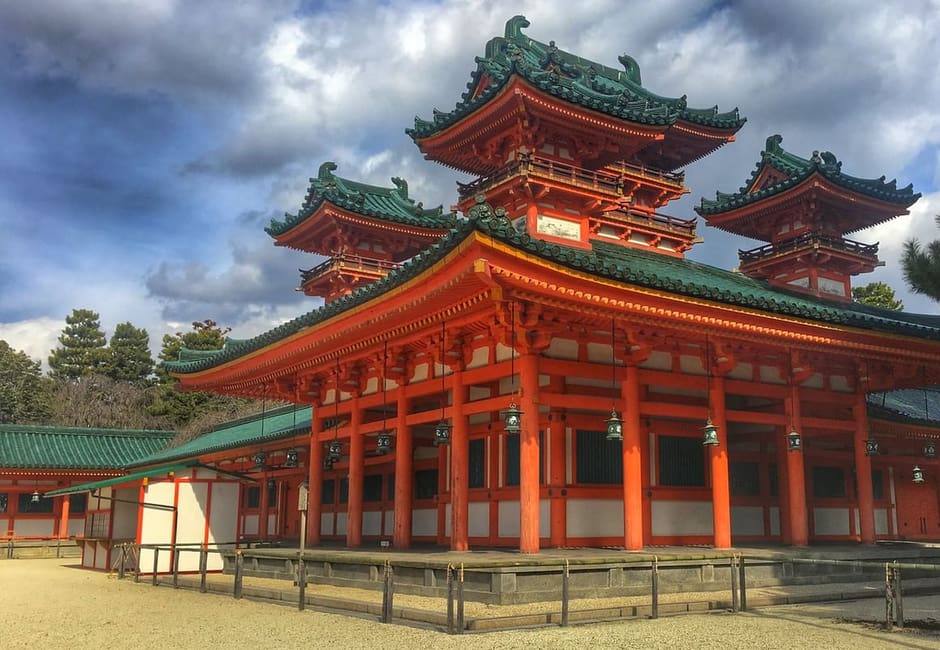
It’s a daytime neighbourhood. The sights close by 17:00 or 18:00, so if you want bars near your bed you’re better off near Kawaramachi. Travelling with kids? Kyoto City Zoo lets children of junior high school age and under in free.
Read the Okazaki guide or see its places on the map.
Nijo: the castle side
Stay near Nijojo-mae and you can be at Nijo Castle when it opens at 8:45. The Tozai Line gets you to Karasuma Oike in about 2 minutes, and JR’s Nijo Station is about 5 minutes from Kyoto Station on the Sagano Line, which runs on to Saga-Arashiyama. HOTEL THE MITSUI KYOTO is 3 minutes from exit 2 of Nijojo-mae.
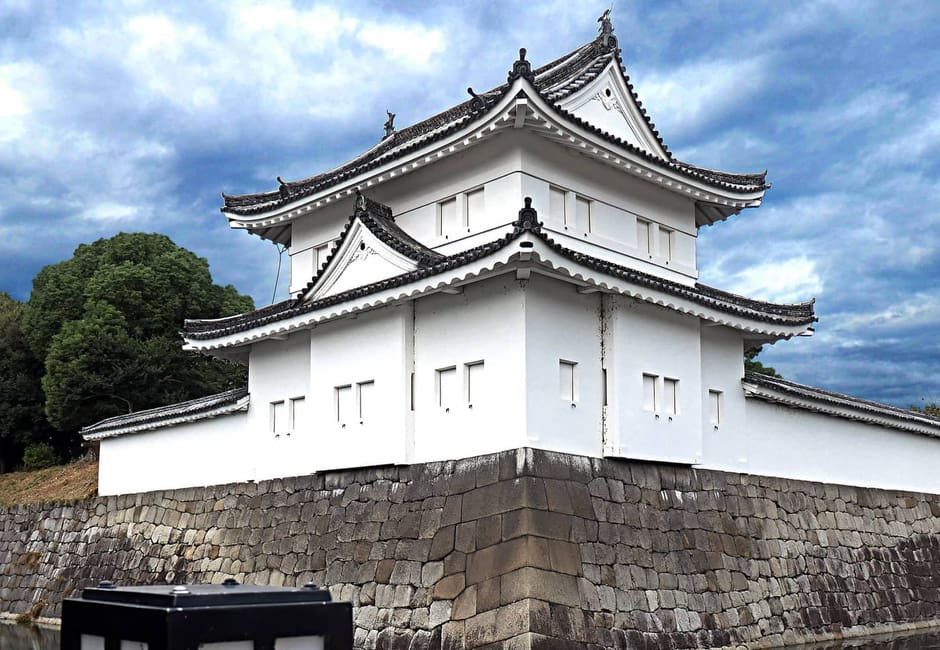
The tourism association calls the area round Nijo Castle and the Imperial Palace relatively calm, with hotels and guesthouses that fit in with local life. Daniel lived for a while near Shijo-Omiya station, at the south end of this area, about ten minutes on foot from Mibu-dera. You won’t get much of an evening, though. The castle and Mibu-dera shut by 17:00, which leaves Menbaka Fire Ramen, open until 22:00.
Read the Nijo guide or see its places on the map.
Arashiyama: the bamboo at first light
Stay in Arashiyama if you want the Arashiyama Bamboo Grove at first light. There’s no charge and no opening hours on the path, and Tenryu-ji opens at 8:30. Places to stay cluster round Togetsukyo Bridge. Kyoto City’s register of licensed places to stay (end of July 2026) lists 39 within a kilometre of it, and 15 of its 16 ryokan and hotels are within 500 m, on both banks. The other 23 hold the simple-lodging licence that guesthouses, hostels and rented houses use. Hanaikada, a hot-spring ryokan, is a minute’s walk from the bridge.
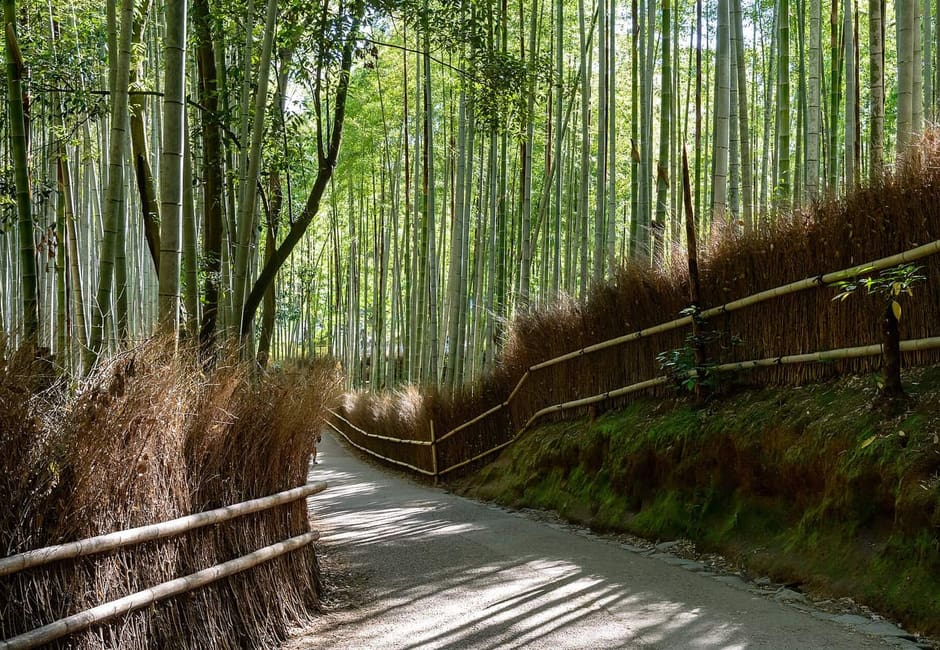
The catch is getting around. JR gets you to Kyoto Station in about 11 minutes, but going downtown means changing trains, and the tourism association notes that restaurants and cafes here close early.
Read the Arashiyama guide or see its places on the map.
Further out: smaller bases for a return trip
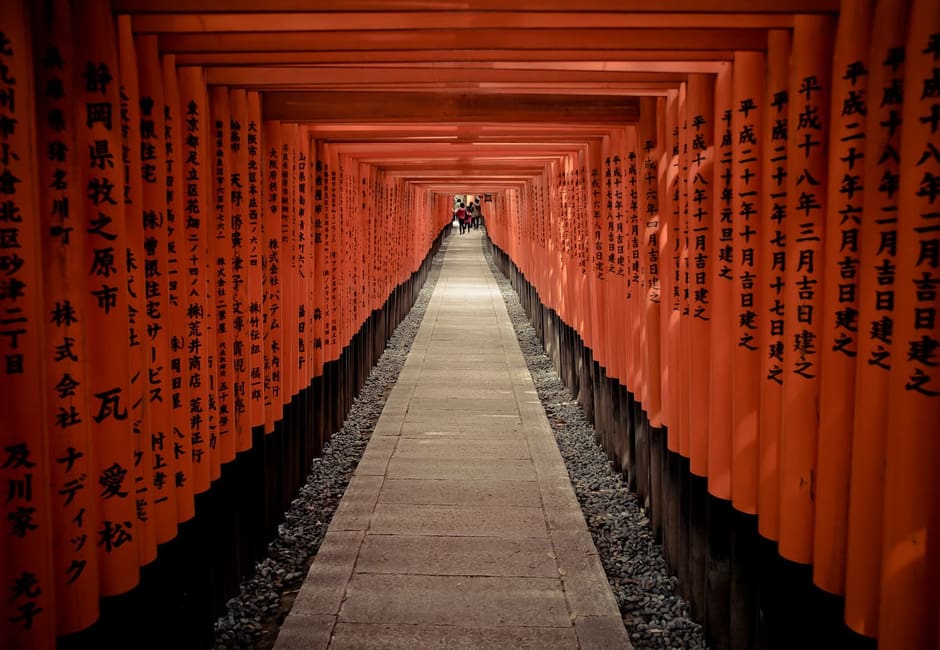
- Fushimi, for the torii of Fushimi Inari Taisha at dawn. Most of the licensed places to stay in Fushimi Ward are guesthouses, hostels and rented houses, and about half are within a kilometre of the shrine.
- Imperial Palace, for Kyoto Gyoen, which never closes. Kamigyo Ward had 281 licensed places at the end of July 2026, and only 16 were hotels or ryokan.
- Ginkakuji, for Ginkaku-ji at its 8:30 opening (9:00 from December to February). Ryokan Yoshida-Sanso, in a villa built for Prince Higashi-Fushimi, serves kaiseki, but Kyoto Station’s about 43 minutes away.
- Kitano, for Kitano Tenmangu at 7:00 and the lanterns on the 25th. All but one of the 70 or so licensed places within a kilometre of the shrine hold the simple-lodging licence.
- Kinkakuji, for Ryoan-ji at 8:00 (8:30 in winter). You’ll find fewer than 20 licensed places, and several belong to temples.
- Demachiyanagi, for Eizan trains to Kurama. Nearly all of its twenty or so licensed places are guesthouses and rented houses or flats.
Booking a room in Kyoto
Book early for the big seasons. The tourism association says to book as early as you can for the cherry blossom, the autumn leaves and the Gion Matsuri. Cheaper places also fill up in the university entrance exam season and round the Kyoto Marathon, which is on 21 February in 2027. The Gion Matsuri runs all of July, with float processions on 17 and 24 July, and the Jidai Matsuri and the Kurama Fire Festival share 22 October. The events calendar has the dates.
Know what you’re booking. Big ryokan usually have large public baths and banquet rooms, and many of the small ones are machiya townhouses. Plenty of guesthouses are in machiya too, some with dorm rooms. Some guesthouses and private rentals don’t give you pyjamas, so check before you pack.
Count the tax. Kyoto City adds an accommodation tax per person per night, set by the room rate (meals and consumption tax don’t count). Since 1 March 2026 it’s ¥200 under ¥6,000 a night, ¥400 from ¥6,000, ¥1,000 from ¥20,000, ¥4,000 from ¥50,000 and ¥10,000 from ¥100,000. You pay it where you stay, though it can already be in what you paid a booking site or travel agency, so ask the hotel.
Send your bags ahead. Luggage delivery services will take your bags from Kyoto Station to your hotel, and hotels arrange it too.
Explore the map
Every place this guide links is on the Kyoto map. Open an area with the links above to see what’s a walk from a hotel you’re looking at, or show only the early-morning places.
Related reading
- Things to Do in Kyoto
- Best Day Trips from Kyoto
- Kyoto Travel Tips
- Where to Eat in Kyoto
- Cherry Blossoms in Kyoto
- Autumn Colour in Kyoto
- Kyoto Early in the Morning
- Every Kyoto neighbourhood guide
Places in this guide
Photos show the actual places, licensed under Creative Commons and credited to their photographers.
Find hotels in Kyoto
Browse live availability and compare prices for your dates.
See hotels near Kyoto on Booking.comPrices are for the night of Saturday 17 October. You can change the dates on Booking.com. If you book, Roam Kyoto earns a small commission from Stay22 at no extra cost to you.