Kyoto Travel Tips: 25 Things to Know Before You Go
Kyoto travel tips: ICOCA and the ¥1,100 day pass, beating the bus crowds, what to book months ahead, temple manners, cash, weather by month and luggage.
Kyoto looks easy on a map. Then the bus to Kiyomizu-dera is too full to board, the temple you crossed town for stopped selling tickets at 16:00, and the moss garden you’d read about only lets in people who booked. These 25 tips save the most time and money, roughly in the order you’ll need them.
Getting around
1. Get an ICOCA, or use the IC card you’ve got. JR West sells ICOCA for ¥2,000 at its ticket offices and at machines with the ICOCA mark, and ¥500 of that is a deposit you get back when you hand the card in. If you’re on an iPhone, add it to Apple Wallet instead. Suica, PASMO and Japan’s other nationwide IC cards work on Kyoto’s subway and buses too.
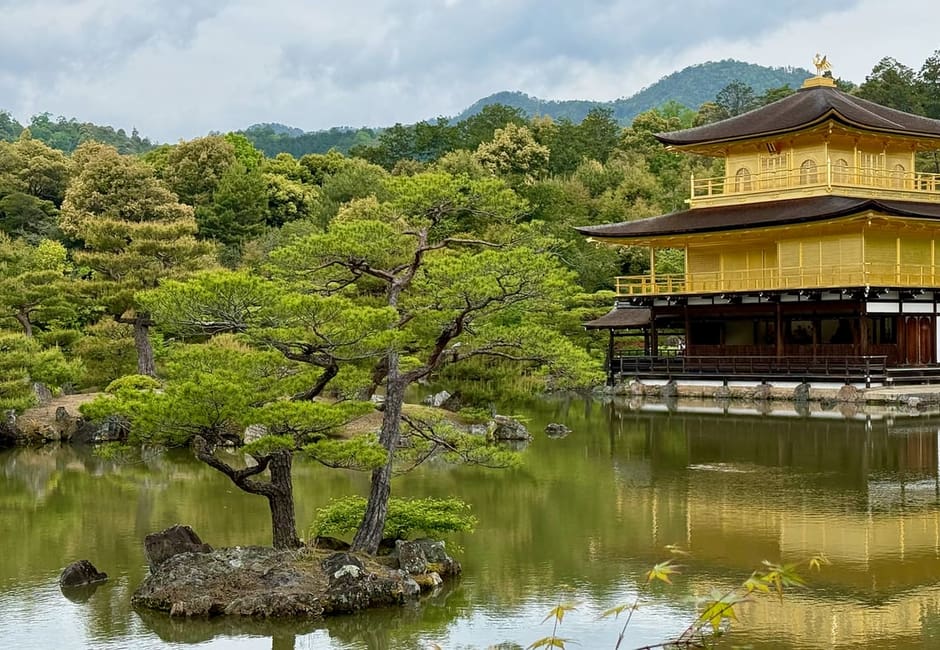
2. Take the subway as far as it goes, then the bus. That’s the advice on Kyoto’s official tourism site. The Karasuma Line runs north to south through Kyoto Station, the Tozai Line east to west through Nijojo-mae and Higashiyama, and they cross at Karasuma Oike. A ride costs ¥220 to ¥360. For Kinkaku-ji, ride to Kitaoji and take City Bus 204 or 205.
3. Plan round the buses. City buses charge a flat ¥230 for adults in the central fare zone. They’re fullest in cherry blossom and autumn leaf season and at rush hour (7:00 to 9:00 and 18:00 to 19:00), and the tourism site expects the routes from Kyoto Station to Kiyomizu-dera, Gion and Arashiyama to be packed. Get off a stop or two early, and plan trips on Arukumachi Kyoto, the route planner the tourism site recommends because it allows for traffic.
4. Learn the bus drill. On ordinary city buses you get on at the middle door and pay at the front as you get off, by IC card or cash (the fare box gives change for coins and ¥1,000 notes). On weekends and holidays the EX100 and EX101 run from Kyoto Station to Gojozaka for Kiyomizu-dera. You board those at the front and pay ¥500 first.
5. Do the maths on the day pass. The Subway & Bus 1-Day Pass is ¥1,100 and covers the subway, every city bus and most Kyoto Bus, Keihan Bus and JR Bus routes, though not out to Kibune or the top of Mt Hiei. At ¥230 a ride, your fifth bus makes it pay, and it cuts Nijo Castle’s entry from ¥800 to ¥700. If you’re a short-stay foreign visitor, you can also buy Keihan’s KYOTO SIGHTSEEING PASS (¥1,100 a day) for its line through Gion-Shijo and Fushimi-Inari to Uji.
6. Use JR’s smaller stations. The tourism site suggests skipping Kyoto Station’s crowds by riding JR on to a smaller station. Take the Sagano Line to Enmachi for the buses to Kinkaku-ji, or the Nara Line to Tofukuji and change to Keihan for Kiyomizu-dera and Gion. You’ll want to check the train type. Keihan limited expresses skip Kiyomizu-Gojo and Fushimi-Inari, and no limited express stops at Fushimi-Momoyama (Keihan) or Momoyama-Goryomae (Kintetsu), the stations for Fushimi’s sake district.
7. Ride the Randen. This little tram runs west from Shijo-Omiya to Arashiyama for one flat fare a ride (a day ticket’s ¥700). Daniel lived in Kyoto for a while, near Shijo-Omiya, where the line starts. If the JR train to Arashiyama is packed, there’s another way in. Take the Tozai Line to Uzumasa Tenjingawa and the Randen from there.
8. Bus fares are set to rise for visitors. Kyoto City plans to split the flat bus fare during its 2027 fiscal year (April 2027 to March 2028), so if you don’t live in Kyoto, you’d pay about ¥350 to ¥400 and residents ¥200. It still needs national approval, and the city hasn’t decided what happens to the day pass.
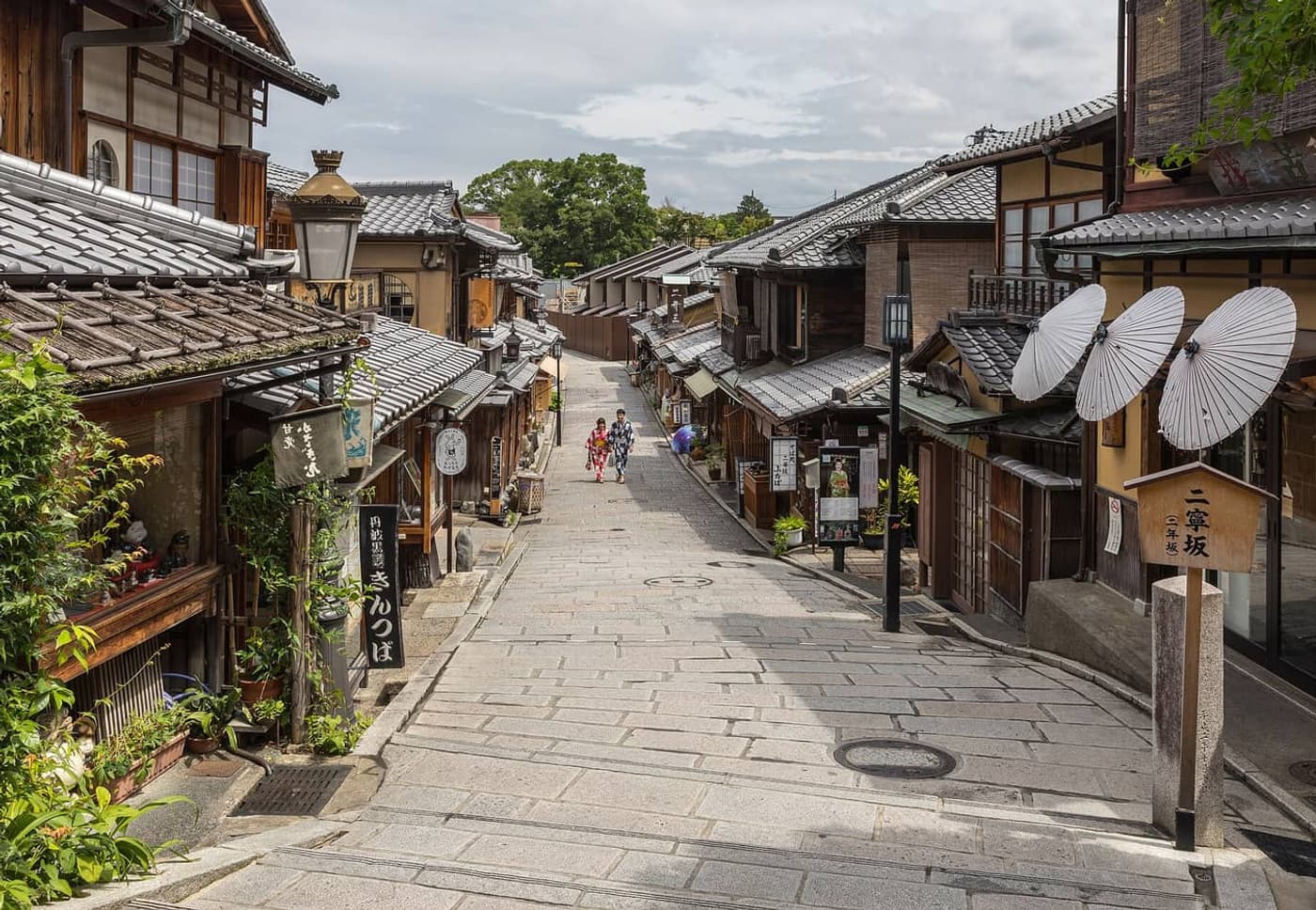
9. Walk the east side, and cycle by the rules. For Kiyomizu-dera, the tourism site suggests the Tozai Line to Higashiyama and a walk south past Shoren-in, Chion-in and Maruyama Park. The centre’s flat and laid out in a grid, so cycling’s easy. Ride on the left, and don’t leave the bike on the street. Bikes parked outside designated lots get removed, and it’s ¥3,500 to get one back.
10. Taxis and late nights. Taxi queues at Kyoto Station get long in season, and hailing one on the street can be hard, so use an app (GO, Uber or DiDi). You’re not allowed to catch one at an intersection. After dark, many trains run until around midnight, and the ¥230 Yoru Bus runs to Kyoto Station from Gion (20:00 to 21:30) and Kawaramachi (22:00 to 22:50).
Temples and shrines
11. Go early, because ticket desks close early. Temple and shrine ticket desks often close around 16:00, so don’t leave the big ones for late afternoon. Kiyomizu-dera opens at 6:00, and from March to November Ryoan-ji opens at 8:00 and Ginkaku-ji at 8:30 (half an hour later in winter), while Fushimi Inari Taisha, Yasaka Shrine and Kyoto Gyoen never close. The early morning list has more.
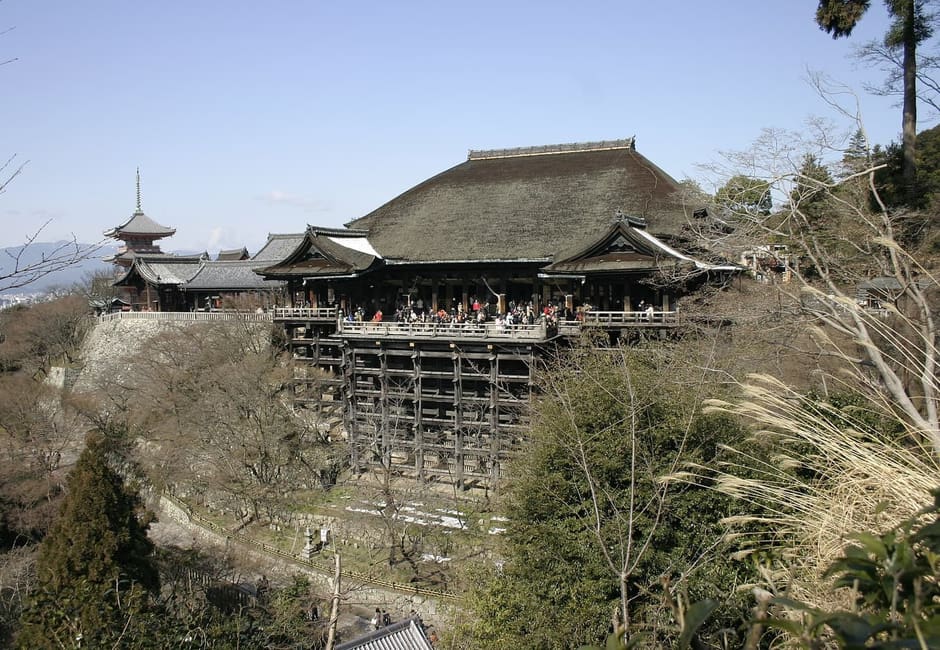
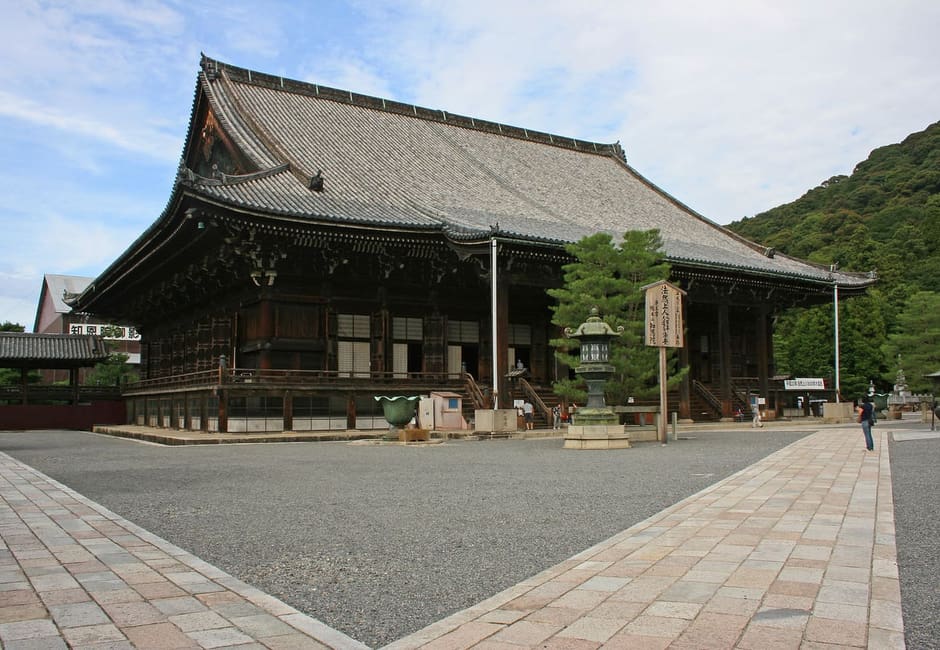
12. Pray the way the shrine expects. At the water basin, rinse your left hand, then your right, then pour a little into your left palm to rinse your mouth, and never put your lips to the ladle. At the hall, bow twice, clap twice and bow once. That’s how Kitano Tenmangu sets it out for visitors. You’ll often take your shoes off in the halls, as at Sanjusangendo, so wear decent socks.
13. Check the rules before you take a photo. You can’t take photos inside Chion-in’s halls or Nijo Castle’s palaces, and Kinkaku-ji asks you not to post yours publicly. Tripods aren’t allowed at Eikan-do and several other temples. Kiyomizu-dera doesn’t allow food or drink except drinks with a lid, and Fushimi Inari asks you to eat only in its rest areas and not to stop for photos where the paths narrow.
14. In Gion, leave the geiko alone. Don’t stop, touch, follow or photograph a geiko or maiko without asking. You can’t take photos in many parts of Gion, some private alleys included, and on Hanamikoji-dori you keep to the edge, since cars use it. To see maiko dance, book Gion Corner (18:00 and 19:00, ¥5,500).
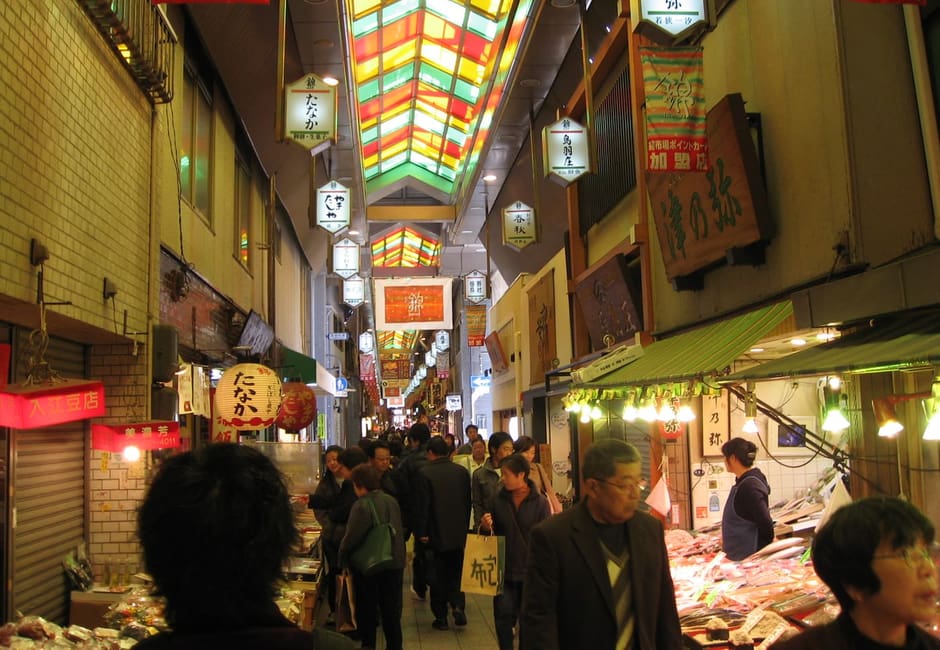
15. Follow the street rules. You can’t smoke on the street outside designated areas, and the fine’s ¥1,000. At Nishiki Market, eat in front of or inside the shop you bought from. Carving into the bamboo at Arashiyama or Fushimi Inari is criminal damage, with fines of up to ¥300,000.
Booking ahead
16. Book the imperial sites and the moss temple. The Kyoto Imperial Palace is free and doesn’t need a booking (closed Mondays, English tours at 10:00 and 14:00), though since October 2026 its Shishinden hall has been under repairs expected to take about nine years. These take more planning.
| Place | Cost | Age | How to get in |
|---|---|---|---|
| Katsura Imperial Villa | ¥1,000 (free 12 to 17) | 12 and up | Online from the 1st of the month, three months ahead, or queue from 8:40 for walk-in tours in Japanese |
| Shugakuin Imperial Villa | Free | 18 and up | Online from the 1st, three months ahead, or one of 50 walk-in places from 8:40 |
| Sento Imperial Palace | Free | 18 and up | Online from the 1st, three months ahead, or one of at least 50 same-day places from 8:40 |
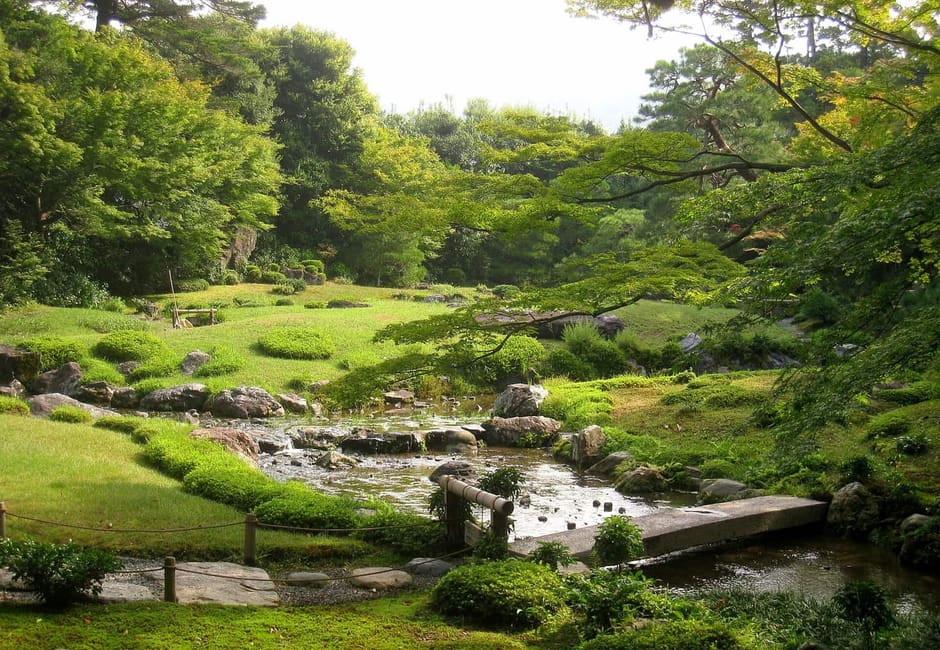
| Saiho-ji, the moss temple | ¥4,000 or more | 13 and up | Online up to the day before, or by return postcard one to two months ahead |
| Kyoto State Guest House | ¥2,000 | 13 and up | Online until noon the day before, or a same-day slip from 9:30 |
Bring your passport to the three imperial sites, which close on Mondays. Every Saiho-ji visit starts with copying a sutra in the main hall.
17. Some places sell timed tickets. Murin-an lets in 15 people at a time, on hourly slots you book online up to 30 days ahead. Nijo Castle’s Honmaru Palace costs ¥1,000 extra on a timed web ticket that goes on sale 30 days ahead, and seats on the Sagano Romantic Train go on sale online at midnight a month before. Eikan-do doesn’t sell tickets ahead, so you just turn up early.
18. Watch for special openings. Many temples open halls, gardens and treasures only for set weeks. Kyoto’s Winter Special Openings ran from 9 January to 18 March in 2026, at ¥800 a site at most of them. This autumn, Chion-in’s Sanmon gate opens from 31 October to 13 November (¥1,000) and Honen-in’s garden from 18 to 24 November (¥800), and you’ll need a booking for Rurikoin from 13 November to 6 December. The events page has the dates.
Crowds and timing
19. Know the three peaks. Kyoto’s tourism association says the biggest crowds come in cherry blossom season (late March to early April), autumn leaf season (mid-November to early December) and mid-July, for the Gion Matsuri. Check its Kyoto Travel Congestion Forecast and live cameras before you set out. It says the outskirts get fewer people even in leaf season, and it singles out six outlying areas, Ohara and Takao among them (see the day trips guide).
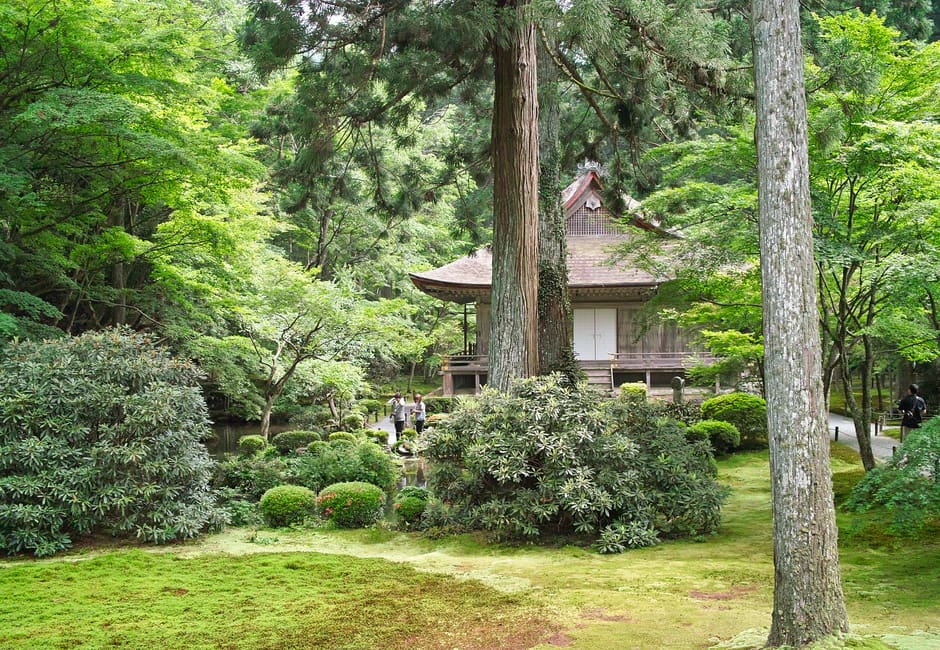
20. Mind Mondays and Wednesdays. The Kyoto National Museum, the art museums in Okazaki, the zoo and the imperial sites close on Mondays. The Kyoto Railway Museum, the Manga Museum, the State Guest House and many Nishiki shops close on Wednesdays.
Seasons and weather
21. Pack for a basin. Mountains on three sides make Kyoto hot and humid in summer and colder than you’d expect in winter. These are the Japan Meteorological Agency’s 1991 to 2020 averages for the city.
| Month | Average high | Average low | Rain |
|---|---|---|---|
| January | 9.1°C | 1.5°C | 53 mm |
| February | 10.0°C | 1.6°C | 65 mm |
| March | 14.1°C | 4.3°C | 106 mm |
| April | 20.1°C | 9.2°C | 117 mm |
| May | 25.1°C | 14.5°C | 151 mm |
| June | 28.1°C | 19.2°C | 200 mm |
| July | 32.0°C | 23.6°C | 224 mm |
| August | 33.7°C | 24.7°C | 154 mm |
| September | 29.2°C | 20.7°C | 179 mm |
| October | 23.4°C | 14.4°C | 143 mm |
| November | 17.3°C | 8.4°C | 74 mm |
| December | 11.6°C | 3.5°C | 57 mm |
The rainy season runs from early June to mid-July, midsummer days often pass 35°C, and summer afternoons bring sudden downpours. Snow falls now and then in January and February, but it’s rare for it to settle. For wet days, see the rainy day list.
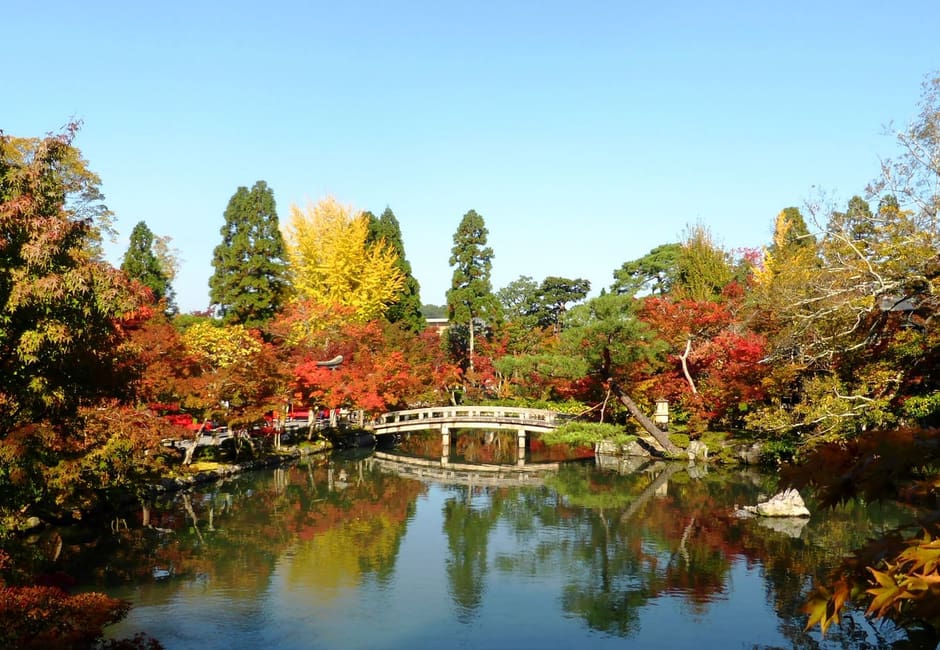
22. Time the leaves, the blossom and the festivals. The tourism association says the leaves start turning at the end of October, peak around mid-November and are past it by the end of the month, a little earlier on Mt Hiei and in Ohara and Takao. Some temple gardens hold their colour into the first week of December (autumn colour). The cherries flower in late March and early April (cherry blossoms). The big festival days are the Aoi Matsuri on 15 May, the Gion Matsuri float processions on 17 and 24 July, the Gozan Okuribi bonfires on 16 August and the Jidai Matsuri on 22 October.
Money
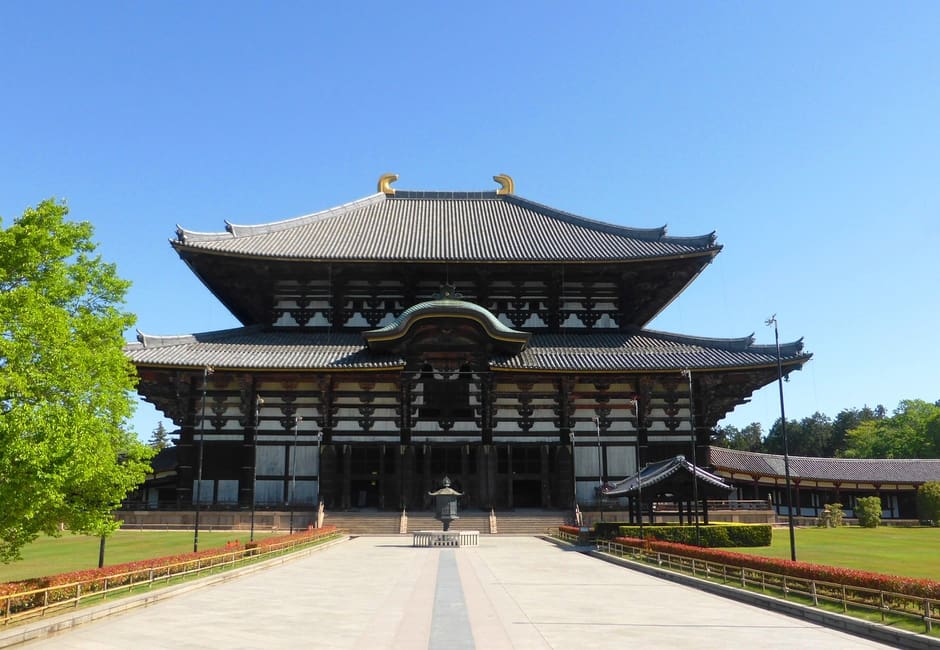
23. Carry cash. The tourism association suggests changing money before you arrive, because many purchases and temple fees can only be paid in cash. Kinkaku-ji takes cash or Omairi Pay, and the Great Buddha Hall in Nara doesn’t take cards. 7-Eleven’s more than 28,000 ATMs take foreign cards day or night, and there’s a Travelex counter on the second floor of Kyoto Station.
24. Know the taxes. Kyoto City charges an accommodation tax per person per night, set by the room rate per person. Onsen entry carries its own tax, ¥100 a day, or ¥150 a night as part of a stay.
| Room rate per person per night | Tax |
|---|---|
| Under ¥6,000 | ¥200 |
| ¥6,000 to ¥19,999 | ¥400 |
| ¥20,000 to ¥49,999 | ¥1,000 |
| ¥50,000 to ¥99,999 | ¥4,000 |
| ¥100,000 or more | ¥10,000 |
Tax-free shopping changes on 1 November 2026. You’ll pay full price in the shop and get the consumption tax back after a customs check at the airport, within 90 days of buying, on purchases of ¥5,000 or more (before tax) per shop per day. Bring the goods, and leave time, since the check comes before check-in.
Luggage
25. Send the suitcase, don’t bus it. Kyoto City asks you not to bring big luggage onto city buses, and its HANDS FREE KYOTO scheme makes that easy. For same-day delivery, the scheme says to hand your bags in at Kyoto Station before 14:00. At Crosta Kyoto in the basement it’s ¥1,500 if you drop them between 8:00 and 14:00, and they’ll be at your hotel from 17:00 (18:00 in busy periods). Kinkaku-ji doesn’t have lockers, so leave big bags at the station.
For a first trip, open the map, pick a neighbourhood and a base from where to stay, and read things to do and where to eat.
Frequently asked questions
Does Suica work in Kyoto?
Yes. Kyoto’s subway and buses take Japan’s nationwide IC cards, Suica and PASMO included, and a card saves you hunting for coins on Kyoto Bus and Keihan Bus routes, whose fare boxes don’t give change.
Which Kyoto sights need booking ahead?
Saiho-ji, Katsura Imperial Villa, Shugakuin Imperial Villa and the Sento Imperial Palace. The imperial sites keep some same-day places, but the tourism association says booking online is safer. Kiyomizu-dera, Kinkaku-ji and the Kyoto Imperial Palace don’t need a booking.
When is Kyoto least crowded?
Outside late March to early April, mid-November to early December and mid-July. On any day, go before 9:00 or after 18:00, the hours the tourism association counts as off-peak.
Places in this guide
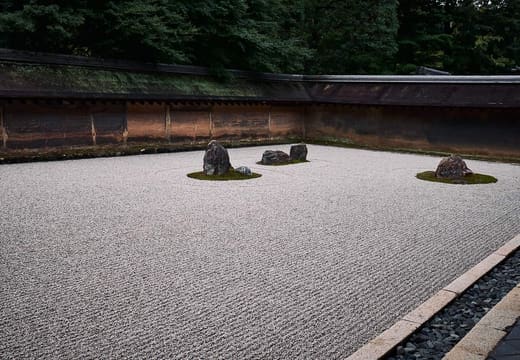
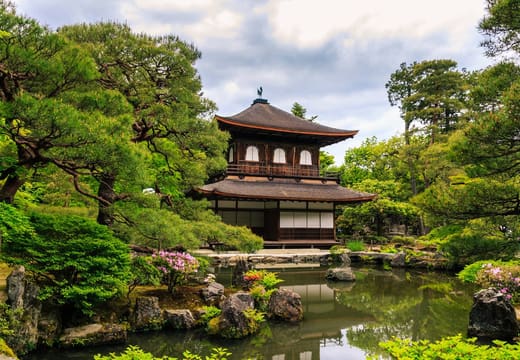
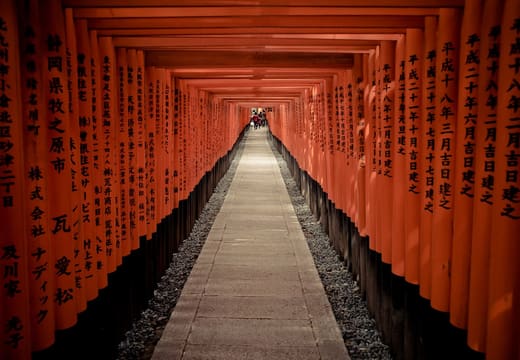
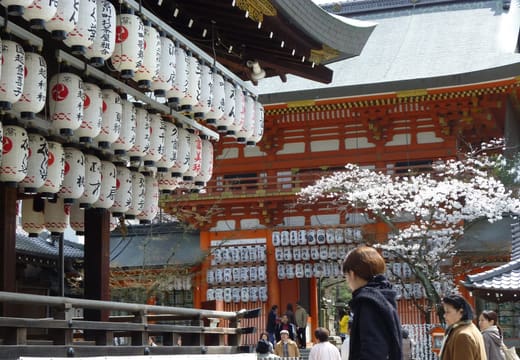
Photos show the actual places, licensed under Creative Commons and credited to their photographers.
Find hotels in Kyoto
Browse live availability and compare prices for your dates.
See hotels near Kyoto on Booking.comPrices are for the night of Saturday 17 October. You can change the dates on Booking.com. If you book, Roam Kyoto earns a small commission from Stay22 at no extra cost to you.