Free Things to Do in Kyoto
Big sights that cost nothing, and when to catch them
Plenty of Kyoto's gardens charge entry, but some of its biggest sights don't. Fushimi Inari's torii paths never close and cost nothing, and neither do the grounds of Yasaka Shrine in Gion. You can walk the Imperial Palace route with no ticket and no booking, and Nishi Hongan-ji's monks lead free 30-minute tours of the grounds four times a day. Kyoto Gyoen, the park round the palace, never shuts either. Time a visit for the 21st or the 25th and you'll catch the To-ji or Kitano Tenmangu market too.
92 places
Year round When
The places
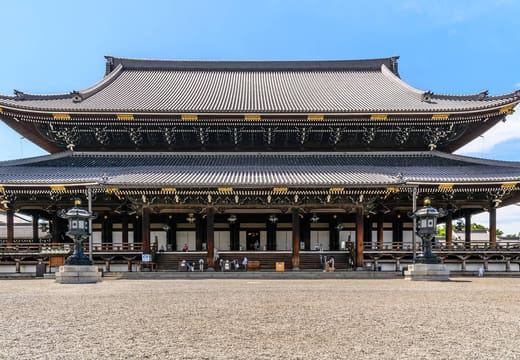
Temple · Kyoto Station Higashi Hongan-ji The head temple of the Otani branch of Jodo Shinshu, founded here in 1602 on land Tokugawa Ieyasu gave it. Both great halls burned in the fighting of 1864, and the Goei-do and Amida-do you walk into today were finished in 1895.
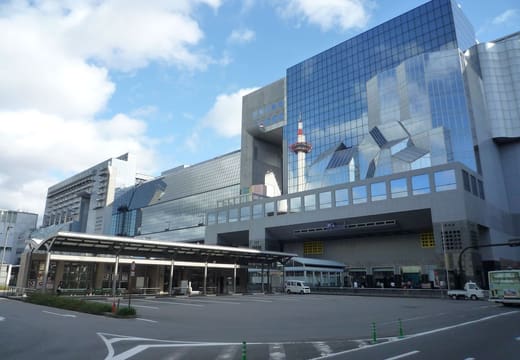
Landmark · Kyoto Station Kyoto Station Building Kyoto's station is a sight in its own right. Hiroshi Hara won the 1991 design competition, and the building opened in 1997. A 171-step staircase climbs 35 m to a rooftop garden 59.8 m up, and the Skyway, a 185 m corridor on the 10th floor, looks north over the city.
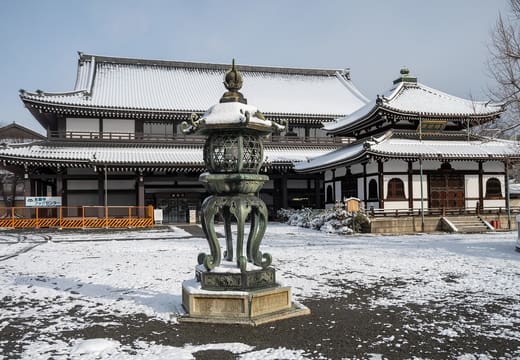
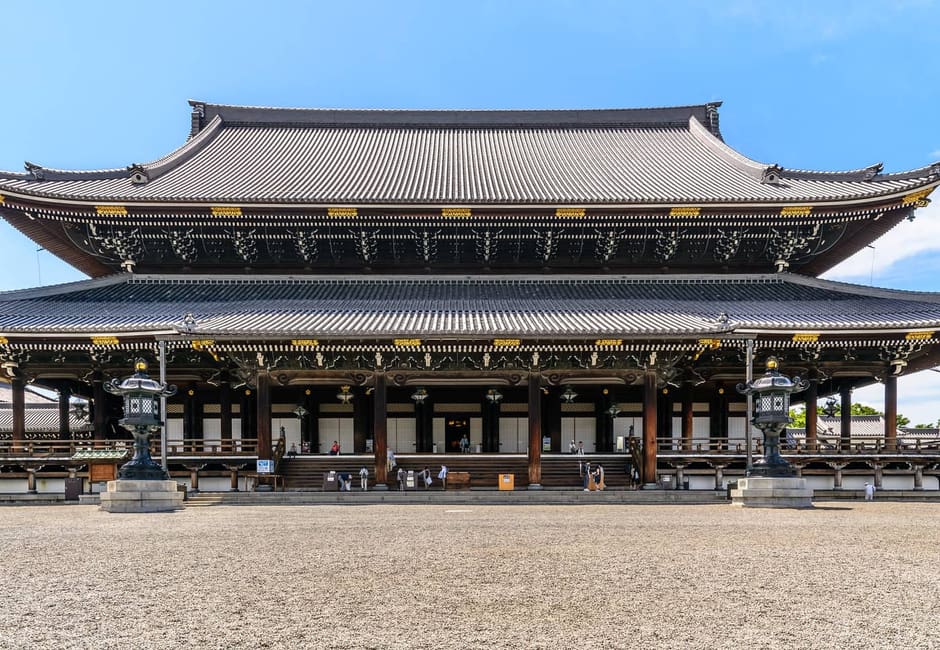
Temple · Kyoto Station Nishi Hongan-ji The head temple of the Hongwanji branch of Jodo Shinshu, and part of the Historic Monuments of Ancient Kyoto World Heritage listing since 1994. The Goei-do, rebuilt in 1636, measures 62 m by 48 m, and you can walk in and sit on its tatami. Out front, a ginkgo of about 400 years spreads its branches like roots, which is why it's called the upside-down ginkgo.
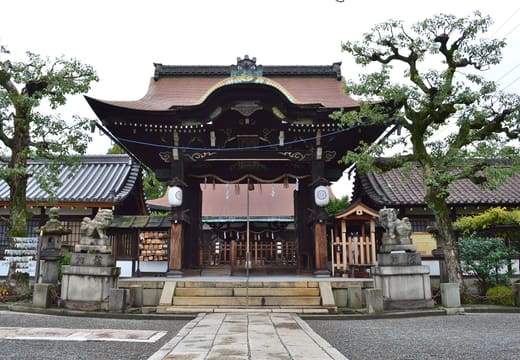
Shrine · Kyoto Station Rokusonno Shrine Rokusonno Shrine was built in front of the grave of Minamoto no Tsunemoto, a grandson of Emperor Seiwa whose descendants include Minamoto no Yoritomo and the Ashikaga and Tokugawa clans. His son Mitsunaka built the first shrine here in the mid-Heian period, and the present halls went up again under the fifth Tokugawa shogun, Tsunayoshi.
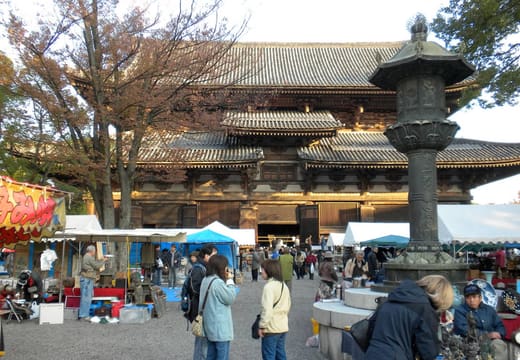
Market · Kyoto Station To-ji Kobo-ichi Market On the 21st of every month, Kobo-san's day, nearly 1,000 stalls fill To-ji's grounds. It started over 700 years ago as tea stalls for pilgrims at the monthly Mieku service for Kukai. Then came stalls selling dango, firewood, charcoal and pots.
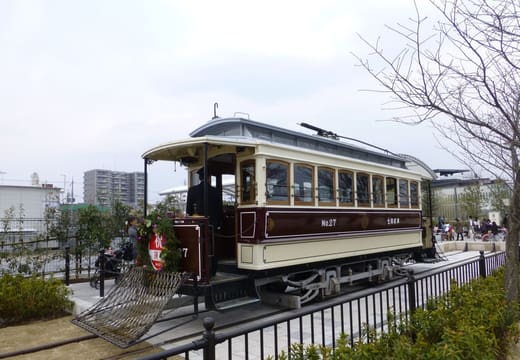
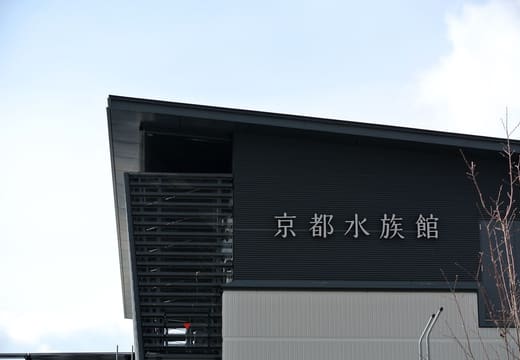
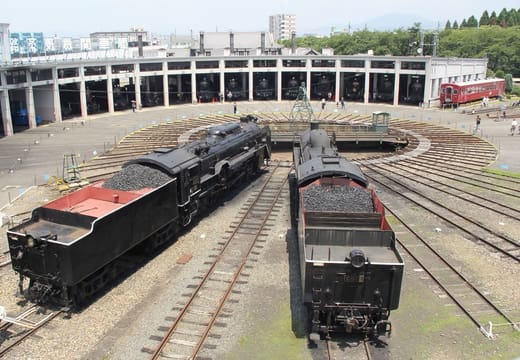
Park · Kyoto Station Umekoji Park Umekoji Park is 13.7 hectares of lawns, play areas and woods a 15-minute walk west of Kyoto Station, open since 1995, with the aquarium in its grounds and the railway museum next door. Its Suzaku no Niwa garden was built for the capital's 1,200th anniversary. Its pond is just 1 cm of water over black granite, so the whole pond works as a mirror, and its 6 m waterfall is the biggest in central Kyoto.
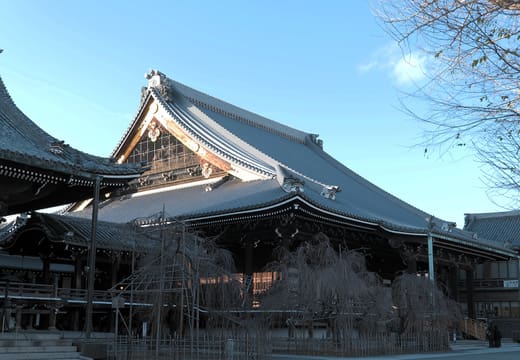
Temple · Shijo-Karasuma Bukko-ji Bukko-ji is the head temple of the Shinshu Bukkoji school of Pure Land Buddhism, moved to this spot in 1586 on Toyotomi Hideyoshi's orders. Its founder's hall, rebuilt in 1884, is a single-storey wooden hall 26.5 metres wide and 33.1 deep, and the Amida Hall next to it dates from 1904. Since 2014 the grounds have also held D&Department Kyoto, a design shop and gallery with a canteen that cooks with local produce.
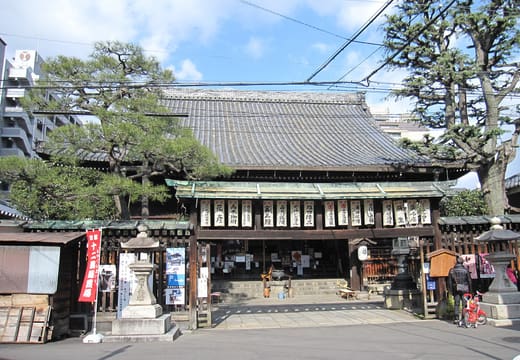
Temple · Shijo-Karasuma Inaba-do Inaba-do, formally Byodo-ji, is a Shingon temple where people pray to its Yakushi, the healing Buddha, for protection from cancer. The temple dates its founding to 1003, and its buildings were rebuilt in 1886. It's also the setting of two kyogen comedies, Inabado and Onigawara.
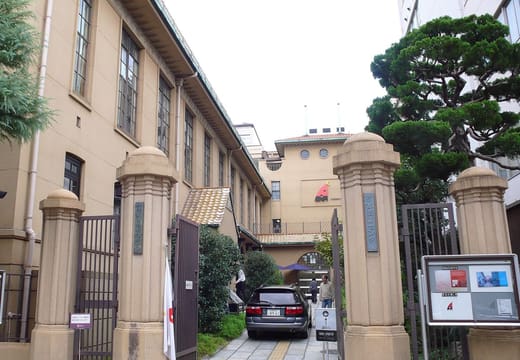
Museum · Shijo-Karasuma Kyoto Art Center Kyoto Art Center took over the 1931 building of Meirin Elementary School, which opened in 1869 and closed in 1993. Since 2000 it has run galleries and performances, and it lends studios to young artists free of charge. The ground-floor Maeda Coffee cooks inside an artwork, a box-shaped kitchen tower by the artist Teppei Kaneuji and the architect Toshikatsu Ienari.
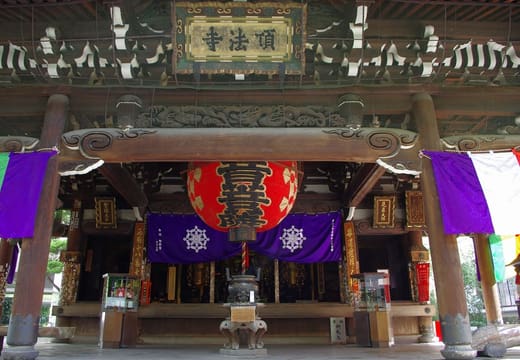
Temple · Shijo-Karasuma Rokkaku-do Rokkaku-do, formally Choho-ji, is a small temple a block off Karasuma-dori, named for its six-sided main hall (the one standing now was rebuilt in 1877). Its priests, the Ikenobo line, shaped ikebana here in the 1400s. Just inside the gate, look for the hexagonal heso-ishi, the 'navel stone', named because Kyoto once thought of this spot as its centre.
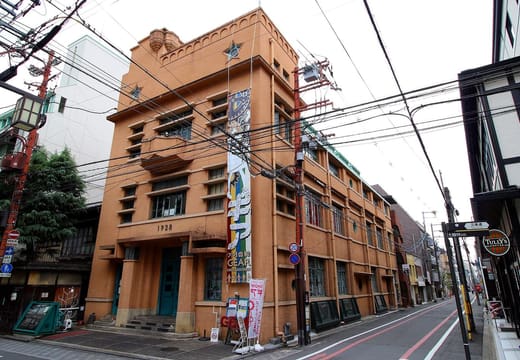
Neighbourhood · Shijo-Karasuma Sanjo-dori Brick Buildings Sanjo-dori was Kyoto's main east-west street until the trams of 1912 pulled the centre south to Shijo, and plenty of the buildings put up along it since the Meiji era are still standing. Look for the red brick of the 1902 Nakagyo Post Office at the Higashinotoin corner and the 1906 Bank of Japan branch that's now the Museum of Kyoto annex.
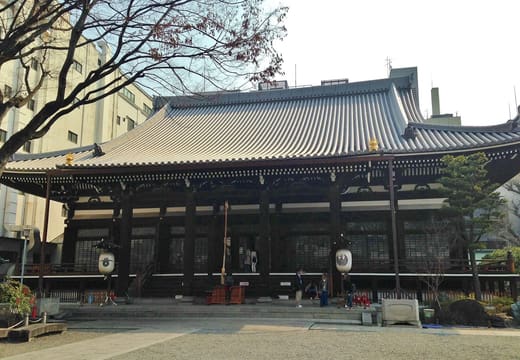
Temple · Kawaramachi Honno-ji Honno-ji is a head temple of the Hokke school, known around the world for the Honno-ji Incident of 1582, when Oda Nobunaga died after his general Akechi Mitsuhide turned on him. That temple stood elsewhere, and Toyotomi Hideyoshi later moved Honno-ji to this site on Teramachi. Its Daihoden museum shows what came through five fires, from a tea bowl Nobunaga owned to the three-legged frog incense burner said to have croaked a warning the night before.
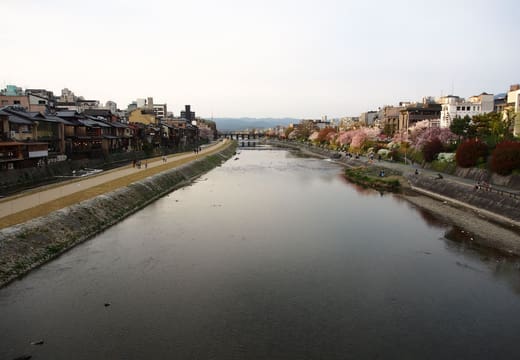
Park · Kawaramachi Kamo River The Kamo River runs about 27 km through Kyoto, and between the Sanjo and Shijo bridges the low Pontocho houses on the west bank face the water. From 1 May to 15 October restaurants on the west bank between Nijo and Gojo build noryo-yuka dining platforms out on the riverbank, a custom said to go back to the Momoyama period.
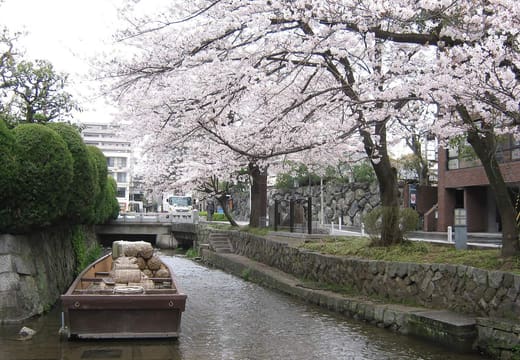
Neighbourhood · Kawaramachi Kiyamachi-dori Kiyamachi-dori follows the Takase canal, which Suminokura Ryoi dug in the 1610s so flat-bottomed boats could carry freight between central Kyoto and Fushimi. The street is named for the timber merchants who set up along it, and willows now line both banks of a canal that stopped carrying boats in 1920. Mori Ogai set his story Takasebune on one of those boats.
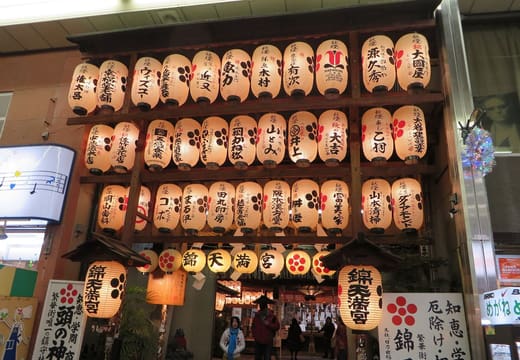
Shrine · Kawaramachi Nishiki Tenmangu Nishiki Tenmangu stands on Shinkyogoku at the east end of Nishikikoji, the street Nishiki Market runs along, and it's the only shrine in the shopping district. It honours Sugawara no Michizane, the god of learning, and moved here in 1587 when Toyotomi Hideyoshi replanned the city. Nishiki-no-mizu, spring water from more than 30 m underground, flows in the small grounds.
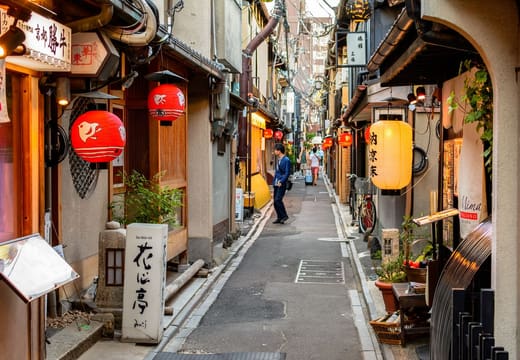
Neighbourhood · Kawaramachi Pontocho Pontocho is a narrow lane about 500 m long between the Kamo River and the Takase canal, running from just south of Sanjo-dori to Shijo-dori, and it's one of Kyoto's five geisha districts. It was a sandbank until the river embankment of 1670, tea houses opened around 1712, and its Edo-period houses came through the great fire of 1864. Restaurants and shops now fill many of the old tea house buildings.
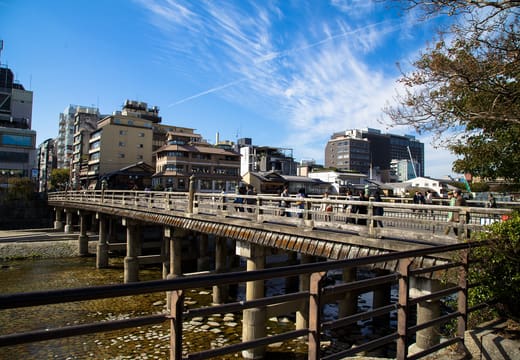
Landmark · Kawaramachi Sanjo Ohashi Sanjo Ohashi carries Sanjo-dori over the Kamo River, and in the Edo period it was the western end of the Tokaido road from Edo. Toyotomi Hideyoshi had it rebuilt as a proper bridge in 1590, and some of the giboshi caps on its wooden railings still date from then. Today's bridge, 73 m long, is from 1950.
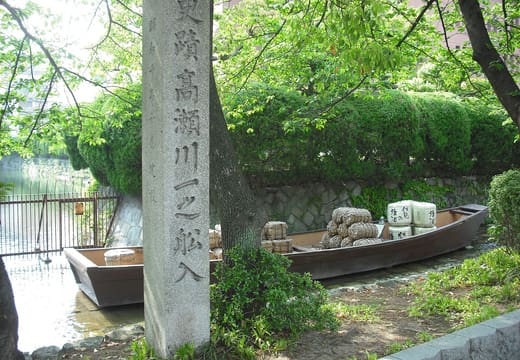
Landmark · Kawaramachi Takase River Ichinofunairi Ichinofunairi is the boat basin at the head of the Takase canal, where flat-bottomed takasebune unloaded goods brought up from Fushimi and Osaka. Suminokura Ryoi dug the canal around 1611, and his family lived beside this basin, running the boats and taking a fee from every carrier. At its busiest more than a hundred boats worked the canal, and the basin is now a designated historic site.
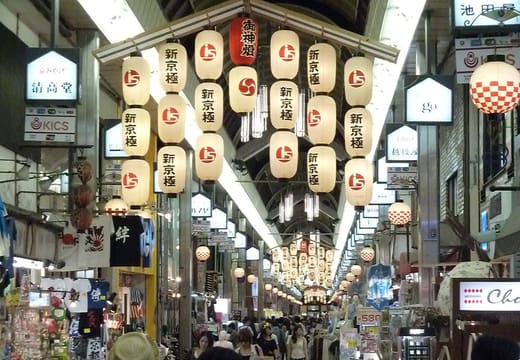
Shopping · Kawaramachi Teramachi and Shinkyogoku Arcades Shinkyogoku was cut through old temple grounds in 1872 and runs from Sanjo to Shijo, with Teramachi parallel one street west. It began as a strip of theatres and variety halls, turned to cinemas, and it's still known for the souvenir shops that opened for school groups in the late 1950s and early 1960s. Seven temples and a shrine still stand along it.
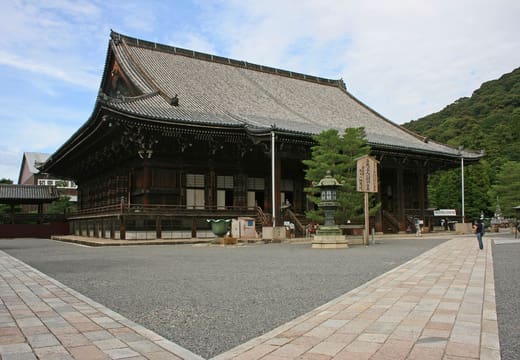
Temple · Gion Chion-in Chion-in is the head temple of Jodo Shu, where the founder Honen taught and spent his last years. You walk in through the Sanmon, built in 1621, about 24 metres tall and 50 metres wide under some 70,000 roof tiles, one of the largest wooden gates in Japan. The 70-tonne bell, cast in 1636, rings 108 times on New Year's Eve, swung by a team of 17.
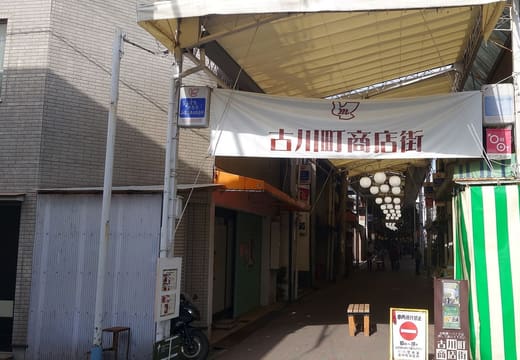
Shopping · Gion Furukawacho Shopping Street Furukawacho is a covered shopping street of about 40 shops over 220 metres, running south from Sanjo-dori on the line of the old Wakasa road, the route that brought mackerel from the Sea of Japan. It's known as the Nishiki of the east, and it was once called eastern Kyoto's kitchen. The arcade went up in 1972, and about 1,000 pastel paper lanterns hang from it now.
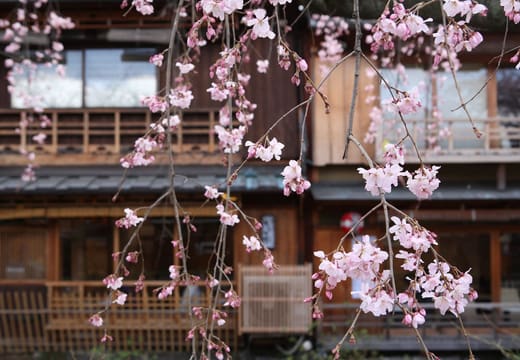
Neighbourhood · Gion Gion Shirakawa North of Shijo-dori, the Shirakawa canal runs through Gion Shinbashi, where neat rows of machiya, stone paving and trees line the water. Kyoto has protected it as a district of traditional buildings since 1976. In spring the cherry trees along the canal are lit up for an evening illumination.
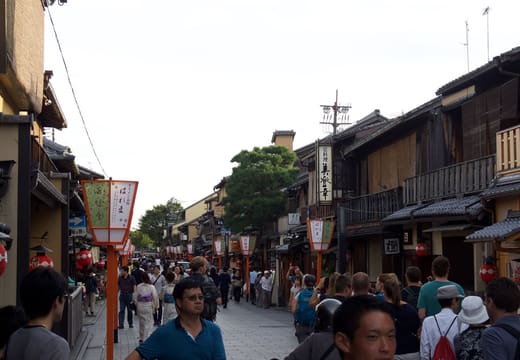
Neighbourhood · Gion Hanamikoji-dori Hanamikoji runs south from Shijo-dori through Gion Kobu, the largest of Kyoto's five geiko districts, between teahouses that kept their old fronts. The power lines went underground and the stone paving went down in the 2001 financial year. The street leads to the Gion Kobu Kaburenjo, where the district's geiko and maiko dance the Miyako Odori every April.
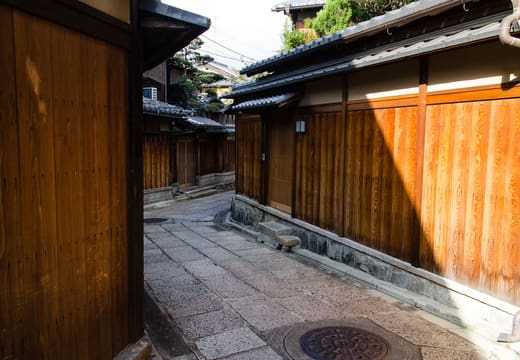
Neighbourhood · Gion Ishibe-koji Ishibe-koji is a stone-paved lane south of Yasaka Shrine that winds between stone walls from Kodaiji Kitamon-dori to Shimogawara-dori. It was built as rental housing in the late Meiji and early Taisho years, and it's now part of a protected district of traditional buildings.
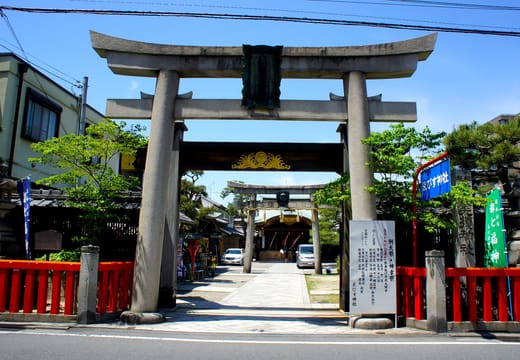
Shrine · Gion Kyoto Ebisu Shrine Kyoto Ebisu Shrine is one of Japan's three great Ebisu shrines, founded in 1202 by Eisai as the guardian shrine of Kennin-ji. The lucky bamboo branch, now the emblem of Ebisu worship all over Japan, started as this shrine's own talisman.
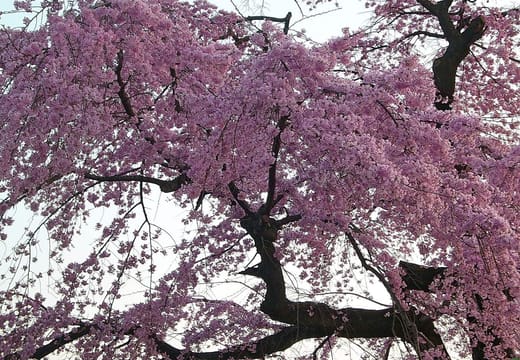
Park · Gion Maruyama Park Maruyama Park opened in 1886, which makes it Kyoto's oldest park, and it's a designated Place of Scenic Beauty covering 86,000 square metres at the foot of the eastern hills behind Yasaka Shrine. The centrepiece is an old weeping cherry that's lit up at night when it blooms. You'll also find stroll gardens, rest houses and Japanese restaurants inside.
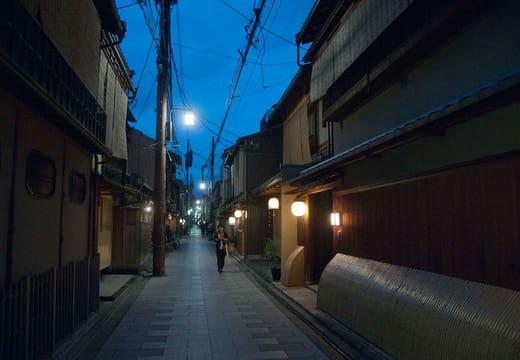
Neighbourhood · Gion Miyagawacho Miyagawacho, by the Kamo River, is one of Kyoto's five geiko districts, with 27 teahouses in its association. Its name is said to come from the stretch of river below Shijo bridge where Yasaka Shrine's portable shrines are washed during the Gion Matsuri. The district's geiko and maiko dance the Kyo Odori each April, the 75th in 2026, in a new Kaburenjo that opened in 2025.
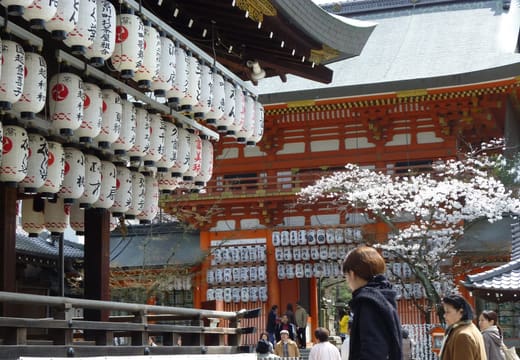
Shrine · Gion Yasaka Shrine Yasaka Shrine watches over the streets of Gion, and its history goes back to at least 876, when the priest Enjo enshrined Gozu Tenno to stop the epidemics sweeping Kyoto. That prayer started the Gion Matsuri, which still fills July, with float processions on 17 and 24 July. The shrine has long ties to the geiko of Gion next door.
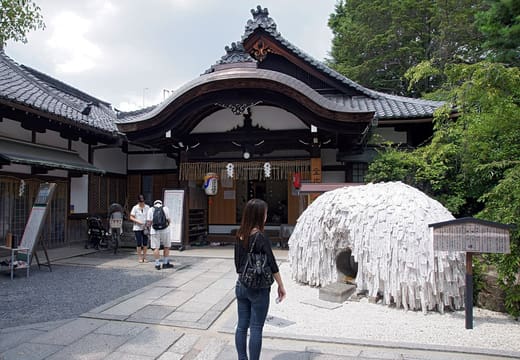
Shrine · Gion Yasui Konpira-gu Yasui Konpira-gu is where people come to cut bad ties and make good ones. The centrepiece is a stone 1.5 metres tall and 3 metres wide, shaped like an ema plaque and plastered with paper charms, with a hole you crawl through, front to back to end a bad tie and back to front to start a good one.
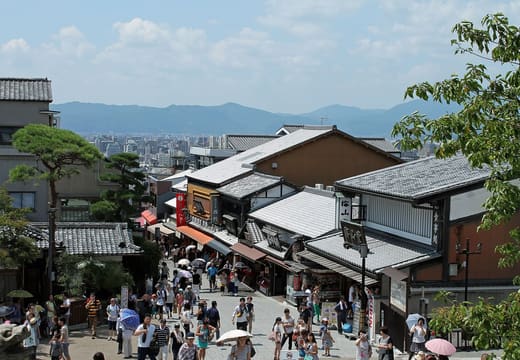
Neighbourhood · Higashiyama Kiyomizu-zaka Kiyomizu-zaka is the main slope up to Kiyomizu-dera's Niomon gate, and its shops, many of them long-established, make up the Kiyomizu Monzen-kai. Gojozaka, which climbs to meet it from Yamato-oji-dori, is where potters' houses made Kiyomizu-yaki famous from the 1600s, and Asahido and the Kyoto Ceramics Hall still sell it.
Shopping · Higashiyama Kyoto Ceramics Hall Kyoto Ceramics Hall sits at the bottom of Gojozaka, where the climb to Kiyomizu-dera starts. The ground-floor shop sells Kyo-yaki and Kiyomizu-yaki from well-known potters and kilns to young makers, and on demonstration days you can watch a potter at work. The gallery upstairs puts on shows by potters from Kyoto and beyond.
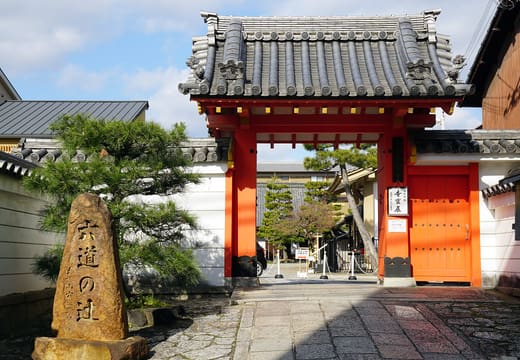
Temple · Higashiyama Rokudo Chinnoji Rokudo Chinnoji stands at Rokudo no Tsuji, on the old road to the Toribeno burial ground, where Kyoto once sent off its dead. The legend is that the courtier Ono no Takamura used the well behind the main hall to travel to the underworld every night. From 7 to 10 August, for Rokudo Mairi, people come to ring the mukaegane bell and call their ancestors home for Obon.
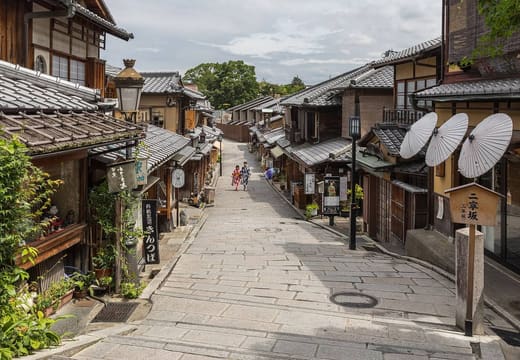
Neighbourhood · Higashiyama Sannenzaka and Ninenzaka Sannenzaka and Ninenzaka are the stone-stepped, bending lanes that pilgrims have used for centuries to reach Kiyomizu-dera and Yasaka Shrine. The townhouses along them date from the late Edo period to the Taisho era, and with the Yasaka Pagoda and Kodai-ji close by, the whole area is a protected historic district.
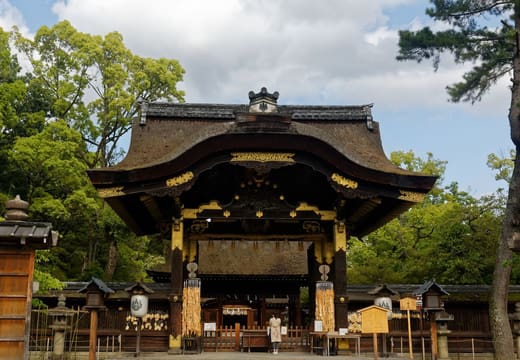
Shrine · Higashiyama Toyokuni Shrine Toyokuni Shrine enshrines Toyotomi Hideyoshi and was rebuilt in 1880 on the site of Hoko-ji's Great Buddha Hall, which was the largest building in Japan in its day. The National Treasure Karamon gate in front is said to come from Fushimi Castle. Next door hangs Hoko-ji's bell of 1614, whose inscription Tokugawa Ieyasu used as a pretext to turn on the Toyotomi.
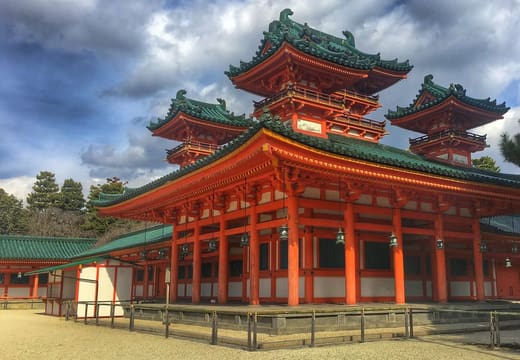
Shrine · Okazaki Heian Shrine Heian Shrine went up in 1895 for the 1,100th anniversary of Kyoto becoming the capital, and its vermilion halls copy the Heian palace's state halls at about five-eighths scale. Behind them is a 33,000 m² stroll garden by the seventh Ogawa Jihei, with weeping cherries in spring and irises in early summer.
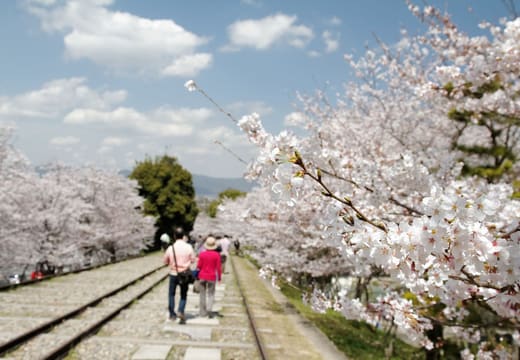
Landmark · Okazaki Keage Incline The Keage Incline is a 582 m inclined railway that carried canal boats up and down a 36 m drop on wheeled carriages, so cargo never had to be unloaded. It was the longest in the world when it was built. The rails are still there, and you can walk the whole slope between rows of cherry trees.
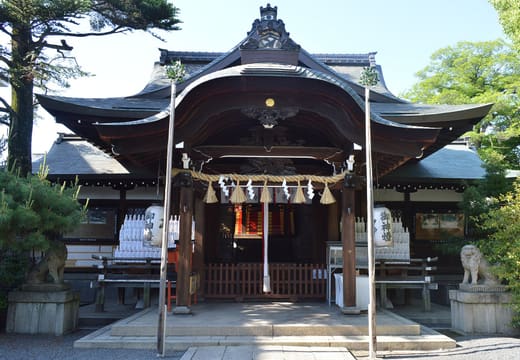
Shrine · Okazaki Kumano Shrine Kumano Shrine was founded in 811, when the mountain ascetic Nichien brought the Kumano deity here from Kishu, and it's the oldest of Kyoto's three Kumano shrines. It's also the guardian shrine of Shogo-in.
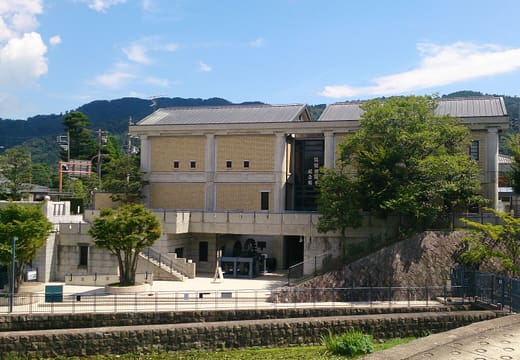
Museum · Okazaki Lake Biwa Canal Museum This free city museum tells the story of the Lake Biwa Canal, dug through the hills from 1885 to 1890 to bring boats, water and later hydroelectric power into Kyoto. There's a model of boats riding up the Keage Incline on their carriages, a diorama of Keage and Okazaki, and the drum house where the winches for the incline's cables were worked.
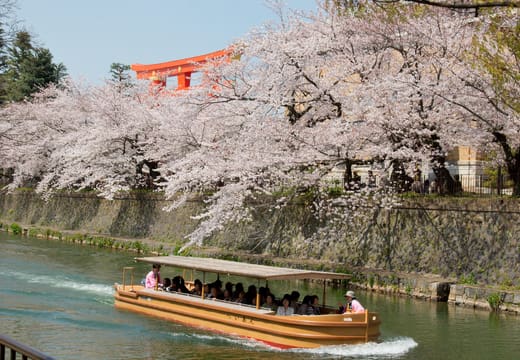
Park · Okazaki Okazaki Canal The Okazaki stretch of the Lake Biwa Canal runs through Okazaki Park and under the giant Heian Shrine torii, with cherry trees along its banks. In cherry season, Jikkokubune boats run 25-minute, roughly 3 km round trips from the Nanzen-ji boat basin, with a guide explaining the canal's history.
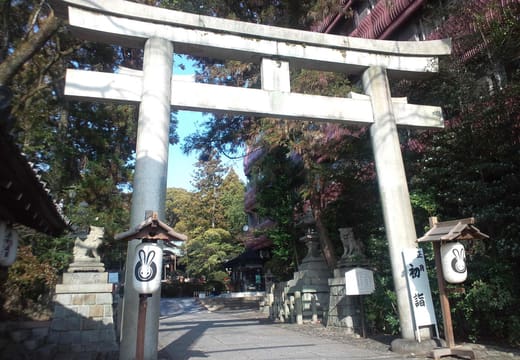
Shrine · Okazaki Okazaki Shrine Okazaki Shrine was founded in 794 as one of the shrines guarding the four sides of the new capital, the eastern one, which is why it's also called Higashi Tenno. Wild rabbits once lived all over this area, so rabbits are its messengers, and you'll find rabbit guardian statues and a black granite rabbit at the water basin.
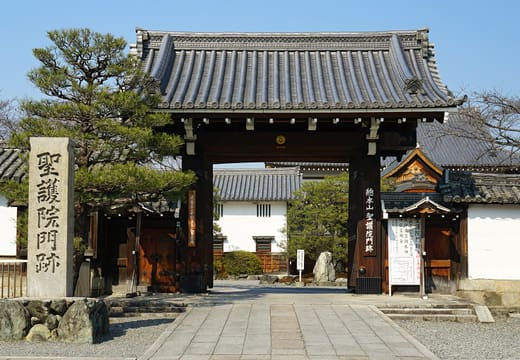
Temple · Okazaki Shogo-in Shogo-in is the head temple of the Honzan Shugen school, which once oversaw yamabushi mountain ascetics across Japan, founded in 1090 and rebuilt on this site in 1676. After the Great Tenmei Fire of 1788 burned the Imperial Palace, it served as Emperor Kokaku's temporary palace for about three years, and its halls are lined with Kano school paintings.
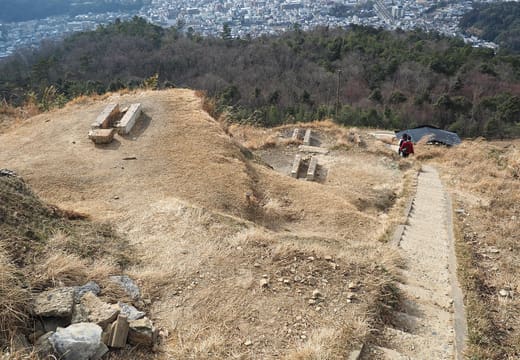
Viewpoint · Ginkakuji Daimonji-yama The hill above Ginkaku-ji is Nyoigatake, better known as Daimonji-yama, where a giant 大 is lit on the night of 16 August for the Gozan Okuribi. Ginkaku-ji's own history says Ashikaga Yoshimasa had the first one laid out in 1489 to send off the spirit of his son Yoshihisa. A path climbs through the Ginkakuji-yama national forest to the fire beds, and from the crossing of the 大 you look out over the whole city, with the green of the Imperial Palace in the middle.
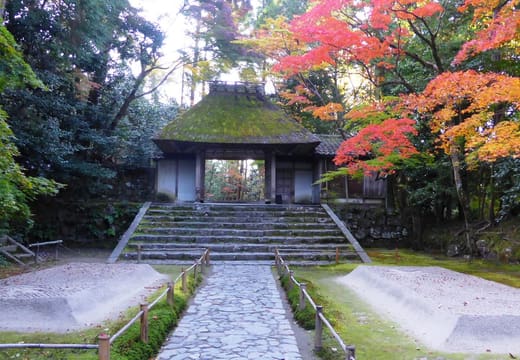
Temple · Ginkakuji Honen-in Honen-in is a short climb east of the Philosopher's Path, on the spot where Honen, founder of the Jodo sect, kept a hermitage with his disciples Anraku and Juren. The present temple dates from 1680. You walk in through a thatched gate between two mounds of white sand, the byakusadan, and the patterns drawn in them change with the seasons.
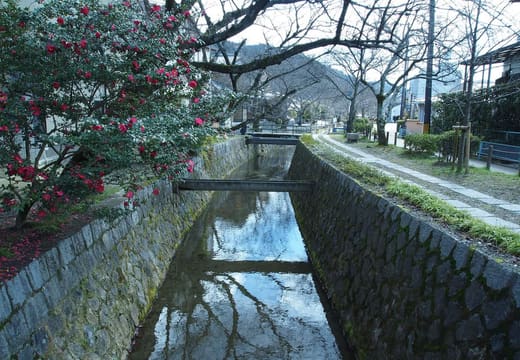
Neighbourhood · Ginkakuji Philosopher's Path A stone path that follows a branch of the Lake Biwa Canal for about 1.8 km, from near Nyakuoji Bridge in the south to Ginkaku-ji in the north. It's named after Kitaro Nishida, the Kyoto University philosopher who's said to have walked here deep in thought. In 1922 the painter Hashimoto Kansetsu gave 360 cherry trees for the banks, which is why they're known as Kansetsu's cherry trees.
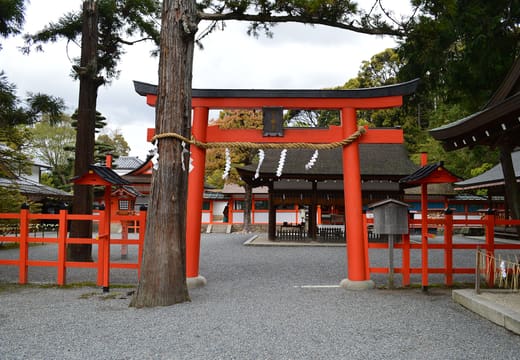
Shrine · Ginkakuji Yoshida Shrine Founded in 859 to protect the capital, Yoshida Shrine sits on the hill of Kagura-oka, up the street from Kyoto University's main gate. The Daigen-gu hall, an Important Cultural Property, enshrines the gods of every shrine in Japan, and there are small shrines to the god of cooking and the god of sweets. It's busiest at Setsubun, 2 to 4 February, when about 500,000 people come and around 800 stalls line the approaches.
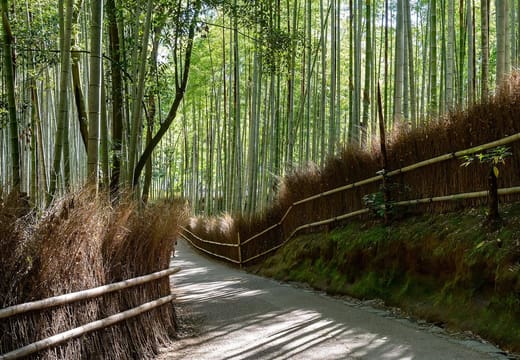
Park · Arashiyama Arashiyama Bamboo Grove This bamboo path is one of the sights Kyoto is best known for. It runs about 400 m from Nonomiya Shrine past Tenryu-ji's north gate to Okochi Sanso, with tended bamboo on both sides, and on a cloudy day it's dim even at noon.
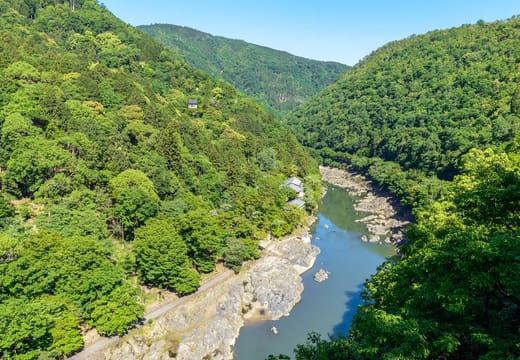
Viewpoint · Arashiyama Kameyama Park Kameyama is the hillside section of Arashiyama Park, upstream from Togetsukyo on the north bank, a slope of red pines, cherries and maples with wild azaleas underneath. Paths wind up through it to rest spots and a viewing deck.
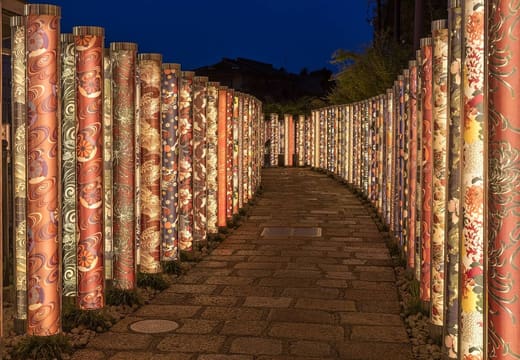
Landmark · Arashiyama Kimono Forest About 600 pillars wrapped in fabric dyed in the Kyo-yuzen kimono style stand in rows around Randen's Arashiyama terminus. The railway put them up in 2013 as part of a push to keep visitors in Arashiyama into the evening.
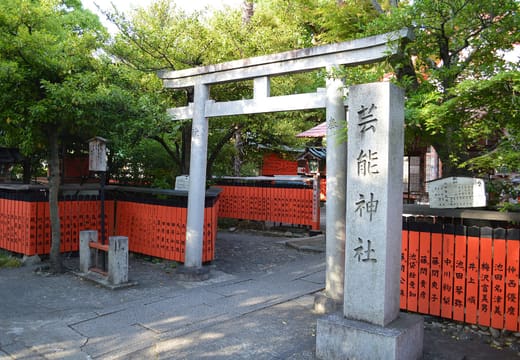
Shrine · Arashiyama Kurumazaki Shrine Kurumazaki honours Kiyohara no Yorinari, a late Heian scholar buried here in 1189, and takes its name from the day Emperor Go-Saga's ox cart broke its shaft in front of it. Inside the grounds, the Geino Shrine for performers is ringed by more than 4,000 red fence boards painted with stage names, pen names and the names of theatre troupes.
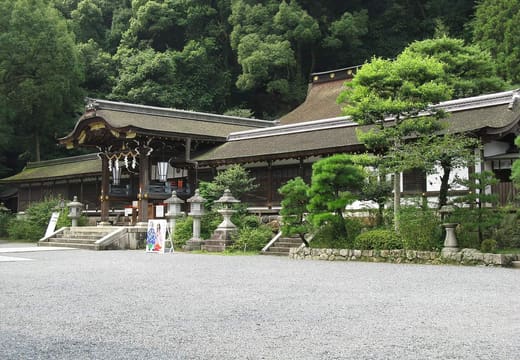
Shrine · Arashiyama Matsuo Taisha Hata no Imiki Tori built the first hall of Matsuo Taisha at the foot of Mount Matsuo in 701, before Kyoto became the capital, and since the late Muromachi period it's been revered as the leading god of sake brewing in Japan. Its three Shofuen gardens, finished in 1975 by Shigemori Mirei, are laid with some 200 blue stones from the Yoshino River in Shikoku.
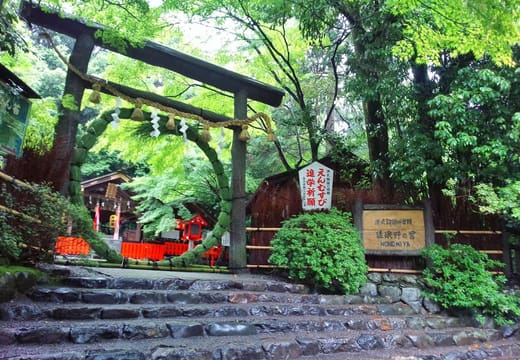
Shrine · Arashiyama Nonomiya Shrine Nonomiya is a small shrine on the bamboo path, on the site where imperial princesses once stayed before going to serve at the Grand Shrine of Ise, and it turns up in The Tale of Genji. Its black torii is sawtooth oak with the bark left on, the oldest style of torii in Japan, set in a low brushwood fence.
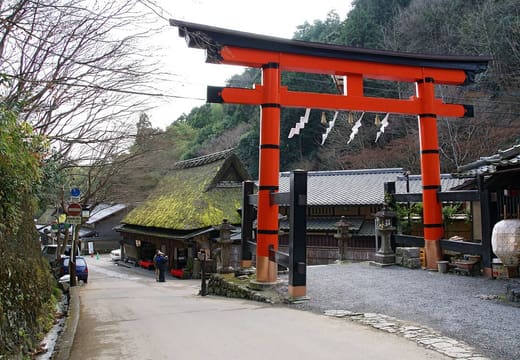
Neighbourhood · Arashiyama Saga-Toriimoto Preserved Street Saga-Toriimoto grew up as both the gateway town for pilgrims heading to Atago Shrine and a farming village, and the road still shows both. Townhouses with mushiko windows stand next to thatched farmhouses as it climbs from Adashino Nenbutsu-ji to Atago's first torii.
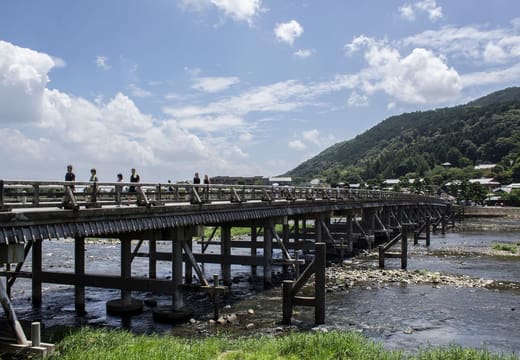
Landmark · Arashiyama Togetsukyo Bridge The 155 m bridge over the Oi River, with wooded hills rising right behind it, is the picture most people carry of Arashiyama. A monk named Dosho first bridged the river near here in the 830s or 840s, and the bridge you walk across today was finished in 1934. Its name, the moon-crossing bridge, comes from the retired Emperor Kameyama, who watched the moon move over it.
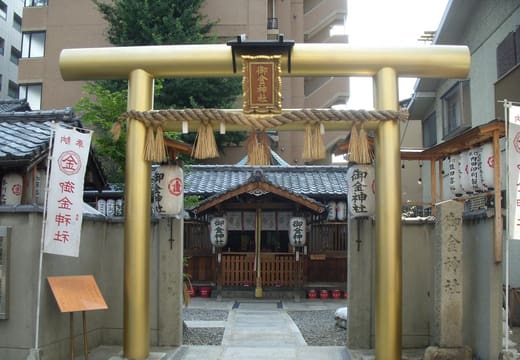
Shrine · Nijo Mikane Shrine Mikane Shrine is a small neighbourhood shrine to Kanayamahiko, god of metals and minerals, and people come from all over Japan and abroad to pray about money. Its torii is painted gold with a finish from Hori Kinpaku, a Kyoto gold-leaf maker founded in 1711, and its sacred ginkgo is over 200 years old and about 22 m tall.
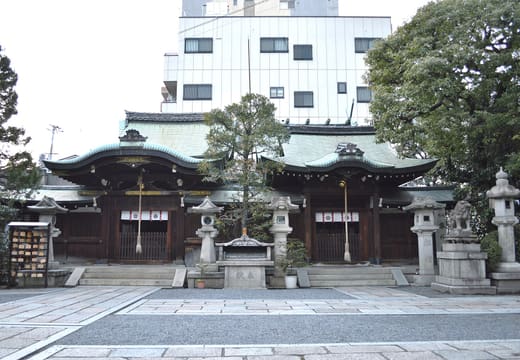
Shrine · Nijo Nagi Shrine Nagi Shrine, also called Moto-Gion, marks where the god Susanoo was first enshrined in 869, in a wood of tens of thousands of nagi trees, during a plague. When the deity moved on to Yasaka, locals saw it off with decorated parasols and music, said to be the origin of the Gion Festival's kasahoko parasol floats. Two main halls stand side by side, its own and the Hayabusa Shrine's.
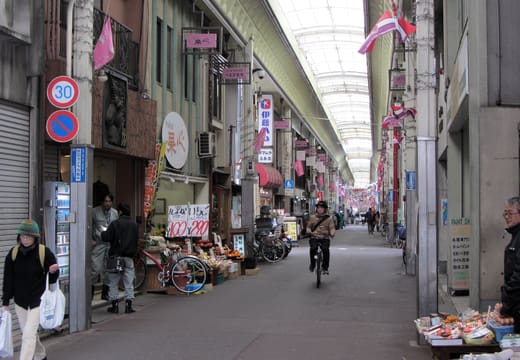
Shopping · Nijo Sanjo-kai Shopping Street Sanjo-kai is a covered shopping street running about 800 m along Sanjo-dori from Horikawa to Senbon, one of the longest arcades in western Japan. It started in 1914 with 72 shops and still has a butcher, greengrocers, bakeries and a rice-ball shop next to cafes and shops in done-up machiya. The Matabi-sha, a small Yasaka Shrine site tied to the start of the Gion Festival, stands inside it.
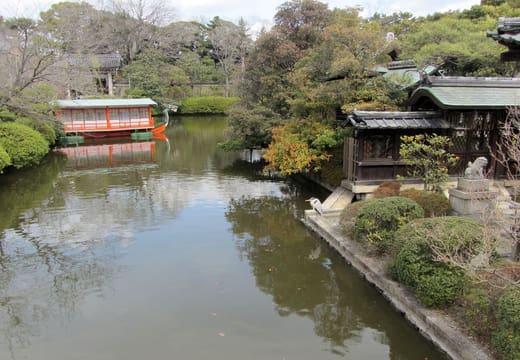
Temple · Nijo Shinsen-en Shinsen-en is what's left of the imperial garden laid out in 794 beside the Heian palace, a spring-fed pond with a shrine to the dragon king Zennyo Ryuo, now a Toji Shingon temple just south of Nijo Castle. Kukai is said to have prayed for rain on its shore in 824, and the rite held here in 869 to ward off disaster, with 66 halberds, one for each province, grew into the Gion Festival. When Tokugawa Ieyasu built the castle he took the spring to fill his moats, and the garden lost its northern grounds.
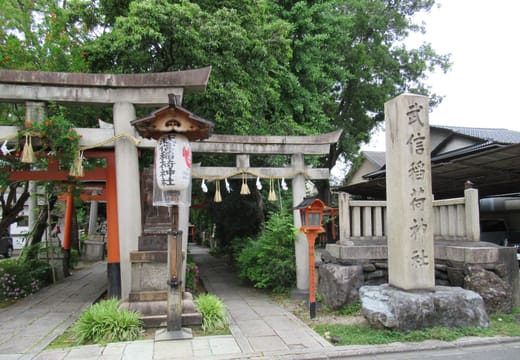
Shrine · Nijo Takenobu Inari Shrine Takenobu Inari is a shrine founded in 859, a few steps south of the Sanjo-kai arcade, where people pray for business and for winning. Sakamoto Ryoma and his wife Oryo are tied to its sacred enoki tree, said to be 850 years old, which fell in May 2025, and the shrine is also linked to the folk tale of Issun-boshi.
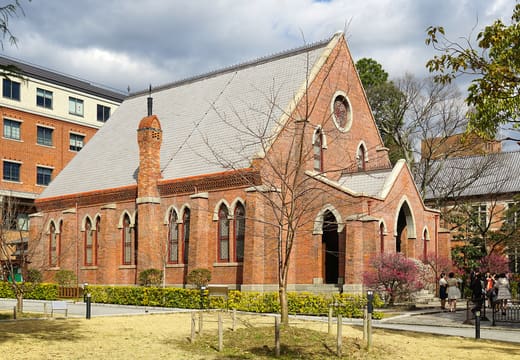
Landmark · Imperial Palace Doshisha University Imadegawa Campus Doshisha grew from the English school Niijima Jo opened in 1875, and its campus across Imadegawa-dori from the palace keeps a row of Meiji-era Western-style buildings, five of them Important Cultural Properties, including the 1886 chapel and the 1890 Harris Science Hall. The Harris hall is now a free gallery on Niijima and the school's history.
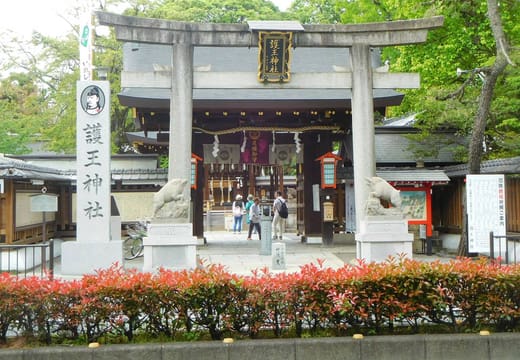
Shrine · Imperial Palace Goo Shrine Goo Shrine stands on Karasuma-dori, west of the palace, and honours Wake no Kiyomaro, who urged Emperor Kanmu to move the capital to Heian-kyo, and his sister Hiromushi, who raised war orphans. A legend says 300 wild boars guarded Kiyomaro on his way to Usa, so boars stand where you'd expect guardian dogs. The shrine moved here from Jingo-ji in 1886.
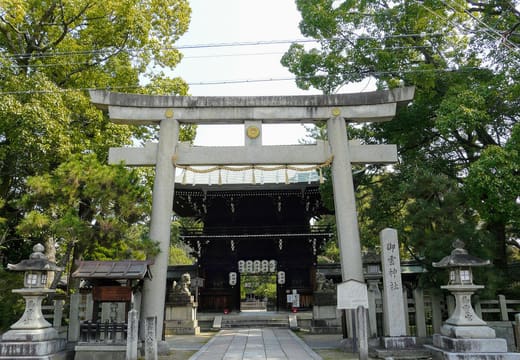
Shrine · Imperial Palace Kamigoryo Shrine Kamigoryo Shrine traces its start to 794, when rites were held for the spirit of Emperor Sudo, and seven more spirits were added later. The wood in its grounds, the Goryo no Mori, is where the Onin War broke out.
Museum · Imperial Palace Kaninnomiya Residence Site This was the residence of the Kan'in, one of the four princely houses of the Edo period, founded in 1710, and the present building went up in 1883 as an Imperial Household office. Its free exhibition, renewed in 2022, covers the Gyoen's history, its court nobles and its nature, and a VR theatre shows the old nobles' town on a 10K screen.
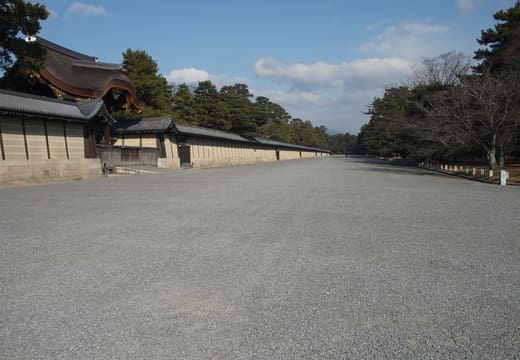
Park · Imperial Palace Kyoto Gyoen Kyoto Gyoen is the park around the Imperial Palace, 1.3 km long and 700 m wide. More than 140 princely and noble houses stood here in the Edo period, and what's left is lawns, woods more than a century old and the remains of a few old gardens, among about 100,000 trees. It never closes and it's free.
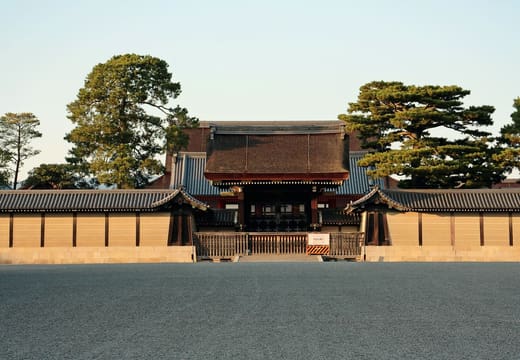
Landmark · Imperial Palace Kyoto Imperial Palace Emperors lived here for about 500 years, from the 14th century until the Meiji era, and most of the buildings you see went up in 1855. You can't go inside any of them, but the walking route takes you past the Shishinden throne hall, the Kogosho and the gardens, and entry is free with no booking.
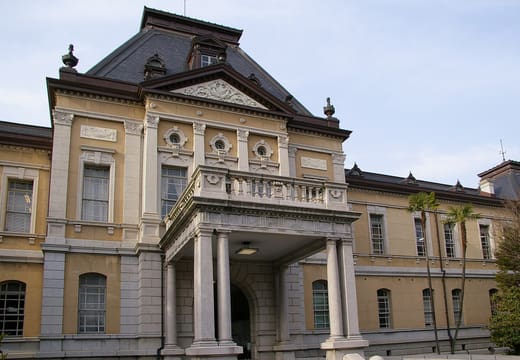
Landmark · Imperial Palace Kyoto Prefectural Old Main Building Finished in 1904, this brick Renaissance-style building was the prefecture's headquarters until 1971 and still has working offices, which makes it the oldest government building in Japan in use in its original form. You can walk into the main hall, the old governor's office, the old dining room and the old assembly chamber, and it's free.
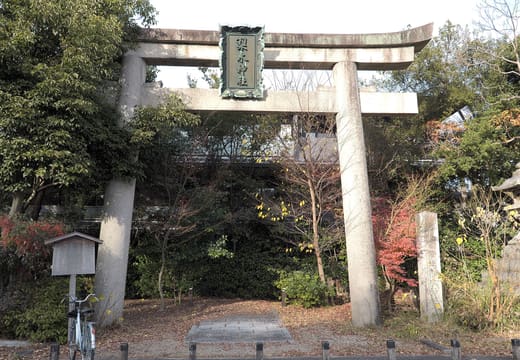
Shrine · Imperial Palace Nashinoki Shrine Nashinoki Shrine was founded in 1885 for Sanjo Sanetsumu and his son Sanetomi, both statesmen of the Meiji Restoration. Its Somei well is one of Kyoto's three famous waters, and people still come to fill bottles. In late September the shrine's bush clover flowers for the Hagi Matsuri, with archery, iai sword drawing, dance and traditional music.
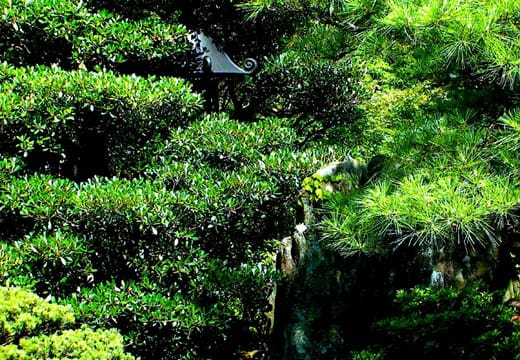
Park · Imperial Palace Sento Imperial Palace This second palace was built in the early 1600s for the retired Emperor Go-Mizunoo, and a fire in 1854 took most of its buildings. What's left is the big stroll garden, its tea houses and a pebble shore laid with about 110,000 flat stones, each roughly 10 cm across.
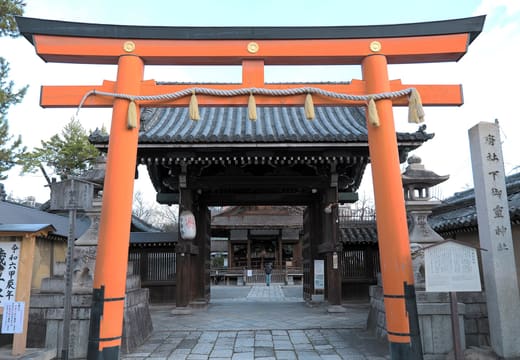
Shrine · Imperial Palace Shimogoryo Shrine Shimogoryo Shrine guarded the Imperial Palace and honours eight spirits of Heian nobles who died under false charges, enshrined to calm them and keep plague away. It moved to this spot in 1590. The main hall was once the sanctuary of a temporary palace, and the front gate came from that palace's Kenreimon.
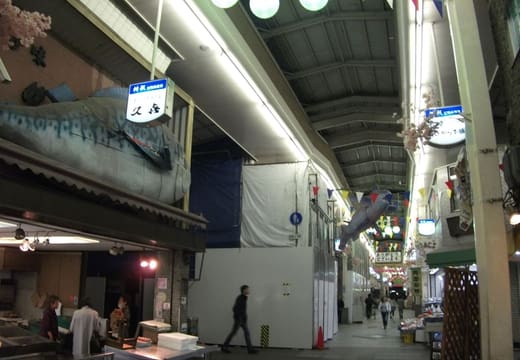
Shopping · Demachiyanagi Demachi Masugata Shopping Street Demachi Masugata is the covered arcade on Masugata-dori between Kawaramachi and Teramachi, across the river from Demachiyanagi. It's mostly fresh food, the street the neighbourhood does its daily shopping on, and Demachiza's cinema and bookshop is inside it. On 18 May the three huge mikoshi of the Goryo Matsuri are carried right through the arcade.
Neighbourhood · Demachiyanagi Kamigamo Shake-machi Just east of Kamigamo Shrine, the houses of its priestly families line the Myojin river, which flows out of the shrine grounds. It's been a priests' quarter since the Muromachi period, and you can pick out the houses by their earthen walls, gates and earth bridges over the water, and by a distinctive gable ornament called inokosasu.
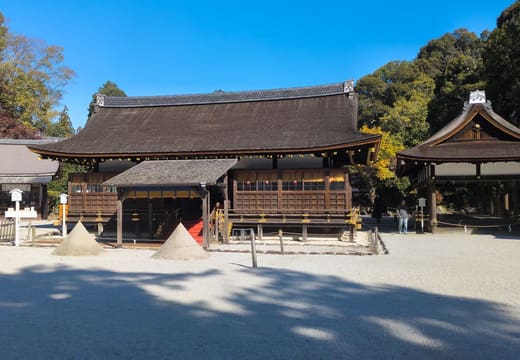
Shrine · Demachiyanagi Kamigamo Shrine Kamigamo Shrine is one of Kyoto's oldest, on 76 hectares south of Mt Koyama, where its god is said to have come down to earth. In front of the Hosodono hall stand two cones of white sand, the tatesuna, that stand for the mountain, with pine needles stuck in the top of each. The two main halls are National Treasures and 41 other buildings are Important Cultural Properties.
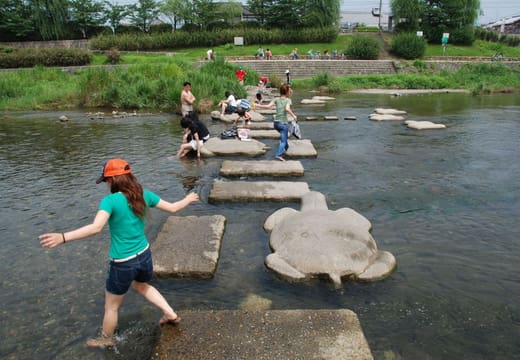
Park · Demachiyanagi Kamogawa Delta The Kamo and Takano rivers meet at Demachiyanagi in a triangle of riverbank known as the Kamogawa Delta. Its stepping stones, some shaped like turtles and birds, are what it's famous for, and at weekends it fills with families and students from Kyoto and Doshisha universities. It turns up in plenty of TV dramas and anime, so some people come just for that.
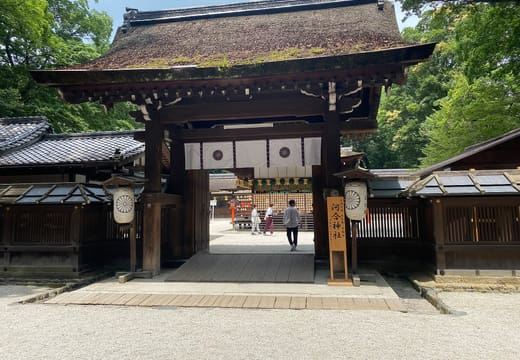
Shrine · Demachiyanagi Kawai Shrine Kawai Shrine is a branch of Shimogamo at the south end of Tadasu no Mori, and people come to its goddess, Tamayori-hime, to pray for beauty. You buy a wooden plaque shaped like a hand mirror, make up the face drawn on it with your own cosmetics, and write your wish on the back. Kamo no Chomei, who wrote Hojoki, grew up here as the son of one of its priests.
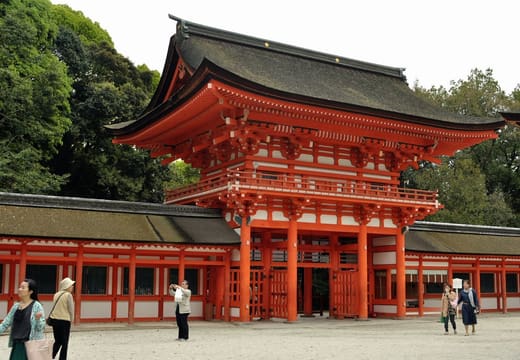
Shrine · Demachiyanagi Shimogamo Shrine You reach Shimogamo Shrine through Tadasu no Mori, a 12.4-hectare forest with clear streams that runs from the main halls south to Kawai Shrine. The shrine's two main halls are National Treasures, 53 more buildings are Important Cultural Properties, and it's been a UNESCO World Heritage site since 1994. The Aoi Matsuri, its festival with Kamigamo Shrine, falls on 15 May every year.
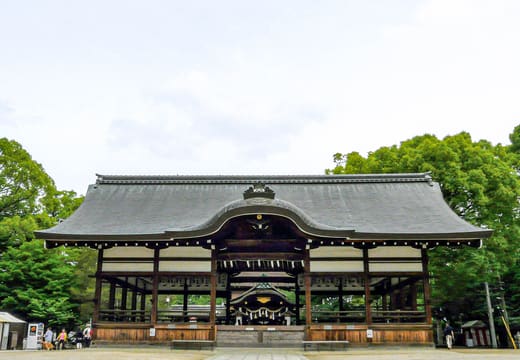
Shrine · Fushimi Fujinomori Shrine Fujinomori Shrine dates back about 1,800 years by its own account, and it's the shrine of luck in contests and guardian of horses. It calls itself the birthplace of the 5 May iris festival, and that day, during the Fujinomori Festival (1 to 5 May), riders perform kakeuma stunts on the south approach at 13:00 and 15:00.
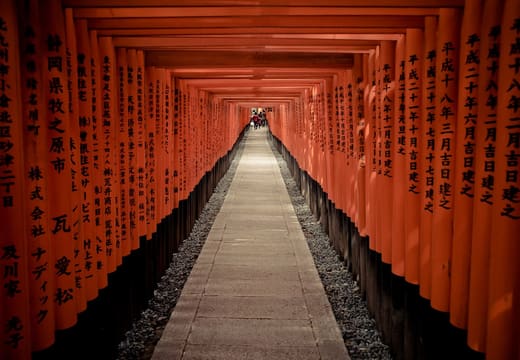
Shrine · Fushimi Fushimi Inari Taisha Fushimi Inari Taisha is the head shrine of Japan's roughly 30,000 Inari shrines, and its deity was enshrined here in 711. Giving a torii, as a prayer or as thanks for one answered, was common by the start of the Edo period, and about 10,000 of them now line the paths up 233 m Mount Inari behind the main hall.
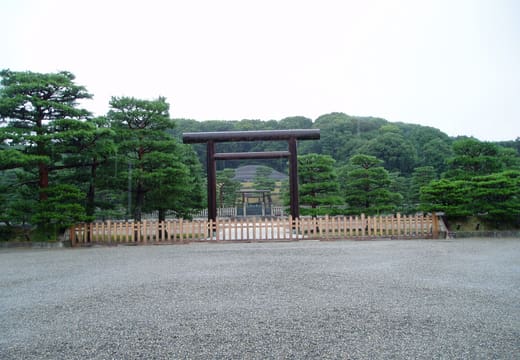
Landmark · Fushimi Fushimi Momoyama Mausoleum Emperor Meiji, who died in 1912, is buried here on the site of Fushimi Castle's main enclosure, under a round-on-square mound finished that September. Empress Shoken's tomb sits just to the east.
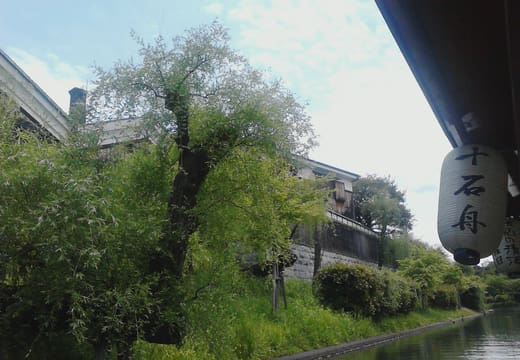
Neighbourhood · Fushimi Fushimi Sake District Fushimi's name was once written with the character for water, thanks to its groundwater, and about 20 breweries still make sake here. Around Gekkeikan's storehouses the Horikawa canal, once the outer moat of Fushimi Castle, runs between willows and cherry trees.
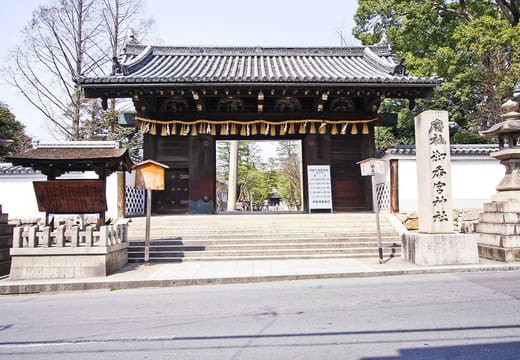
Shrine · Fushimi Gokonomiya Shrine Gokonomiya is the guardian shrine of old Fushimi, named for a fragrant spring that the shrine says welled up here in 862. The Gokosui is on the Environment Ministry's list of Japan's 100 best springs, and the main hall, built in 1605 on Tokugawa Ieyasu's orders, is an Important Cultural Property.
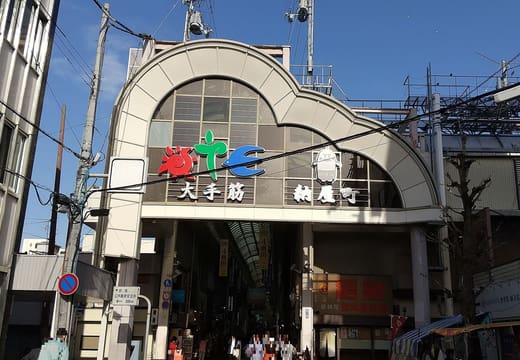
Shopping · Fushimi Otesuji Shopping Arcade Otesuji is Fushimi's main covered shopping street, running east to west, with Fushimi-Momoyama Station right on it and Momoyama-Goryomae a minute away. The road was laid out in 1594 from the main gate of Toyotomi Hideyoshi's Fushimi Castle, which is where the name comes from. It's had a roof since 1971, and the current solar-panelled arcade went up in 1997.
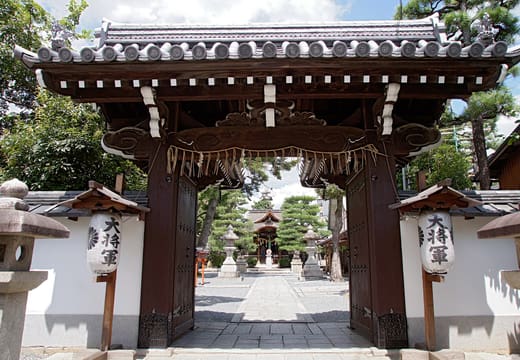
Shrine · Kitano Daishogun Hachi Shrine Daishogun Hachi Shrine was founded in 794, when the capital moved to Kyoto, to guard the north-west corner of the palace, the direction yin-yang lore calls the gate of heaven. Its Hotoku-den hall holds 80 wooden statues of the star god Daishogun from the 10th to 13th centuries, 50 of them in armour, arranged as a three-dimensional star mandala.
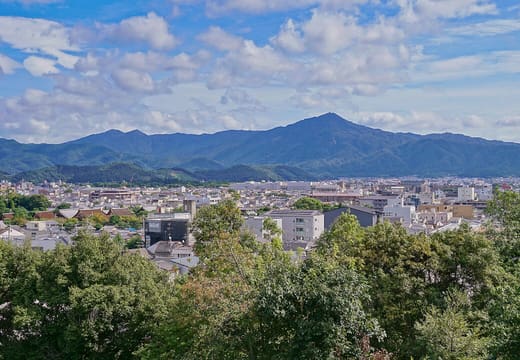
Viewpoint · Kitano Funaokayama Funaokayama is the low hill used as the northern reference point when Heian-kyo was laid out. Kenkun Shrine, founded in 1869 on Emperor Meiji's order to honour Oda Nobunaga, sits on top, and from its grounds you can see Mount Hiei and the Daimonji mountain.
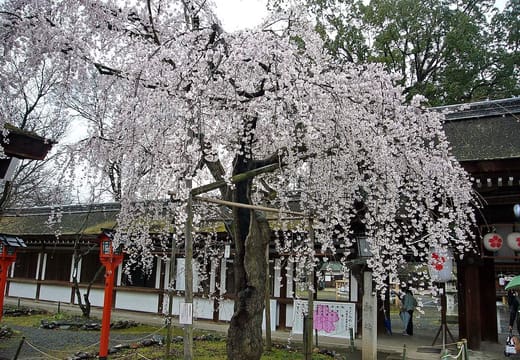
Shrine · Kitano Hirano Shrine Hirano Shrine grows about 400 cherry trees of some 60 varieties, many of which started here, so something's in flower for about six weeks from mid-March. The shrine came here from Nara with the capital in 794, and its paired main halls of 1625 and 1632 are an Important Cultural Property.
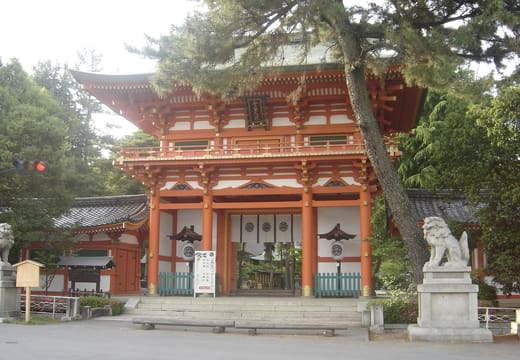
Shrine · Kitano Imamiya Shrine Imamiya Shrine goes back to 994, when the gods of plague were carried up nearby Funaokayama in two portable shrines to calm them, and it took its present name in 1001. Its Yasurai Matsuri on the second Sunday of April is one of Kyoto's three strange festivals. Keishoin, the Nishijin-born mother of the shogun Tsunayoshi, helped revive its festivals in the Edo period.
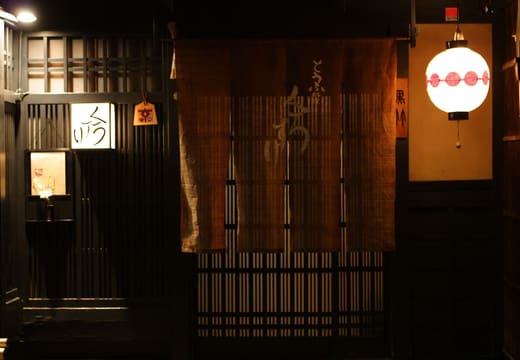
Neighbourhood · Kitano Kamishichiken Kamishichiken is Kyoto's oldest geisha district, the teahouse quarter on the east approach to Kitano Tenmangu. The name means "upper seven houses", after seven teahouses built from timber left over from repairs to the shrine in the 1400s. Its crest of five dumplings is for the mitarashi dango served to Hideyoshi at his great Kitano tea party of 1587.
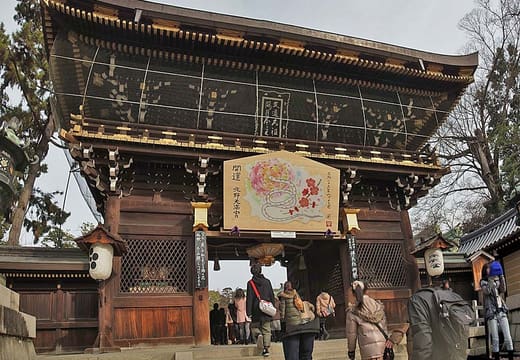
Shrine · Kitano Kitano Tenmangu Kitano Tenmangu is the head shrine of the roughly 12,000 Tenjin shrines across Japan, founded in 947 for Sugawara no Michizane, the scholar students still pray to before exams. Toyotomi Hideyori built the main hall in 1607 and it's a National Treasure. About 1,500 plum trees of 50 varieties flower here from January to late March.
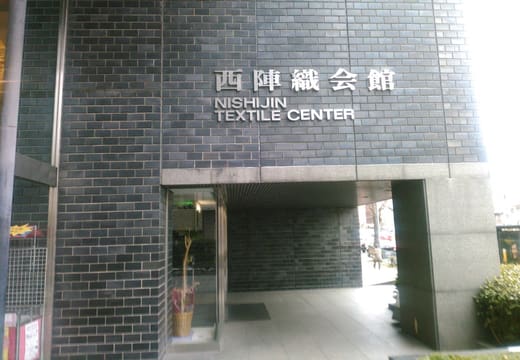
Museum · Kitano Nishijin Textile Center The Nishijin Textile Center is the weaving industry association's showroom on Horikawa-dori. Its third-floor archive keeps Japan's first home-built wooden Jacquard loom, a Kyoto City cultural property, and puts on three or four themed shows a year of obi, kimono and folding screens.
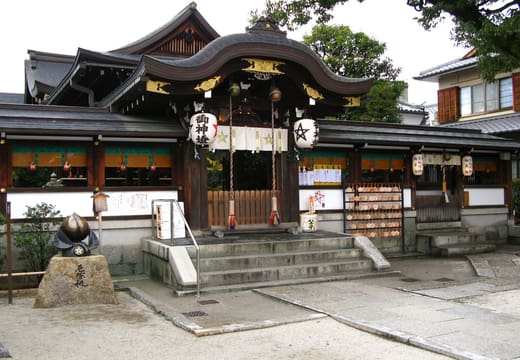
Shrine · Kitano Seimei Shrine Seimei Shrine honours Abe no Seimei, the Heian-era yin-yang diviner, and his five-pointed star crest hangs on the torii where most shrines put their name. The spout of the Seimei well is turned at the start of spring each year to face that year's lucky direction.
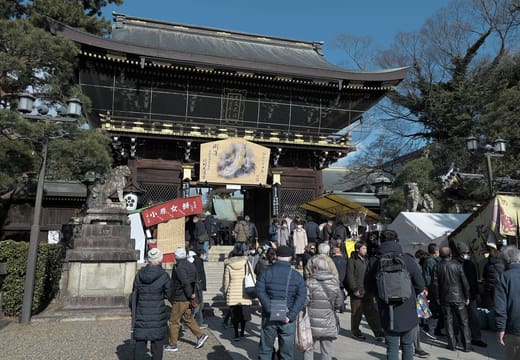
Market · Kitano Tenjin-san Market On the 25th of every month Kitano Tenmangu holds its fair day, and stalls crowd the shrine's approach all day. The date honours Michizane, who was born on 25 June and died on 25 February. January's Hatsu-Tenjin and December's Shimai-Tenjin are the big ones, with about 1,000 stalls and some 150,000 people.
Viewpoint · Kinkakuji Omuro 88 Pilgrimage Trail Behind Ninna-ji, a 3 km path loops over Mount Joju past 88 small halls, a copy of Shikoku's 88-temple pilgrimage. In 1827 a Ninna-ji head priest had sand brought back from each Shikoku temple and buried under the halls, so people who couldn't make the trip could walk this one. On a clear day you can see over the city as far as Fushimi.
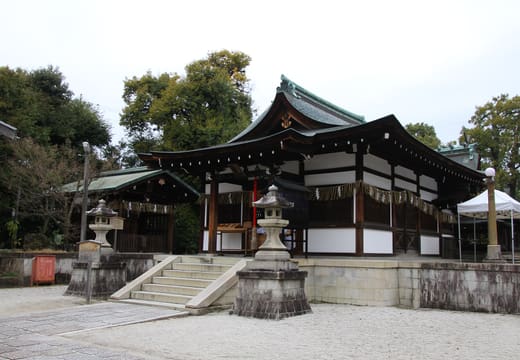
Shrine · Kinkakuji Waratenjin Shrine Waratenjin, formally Shikichi Jinja, is the shrine people visit to pray for a safe birth. Its charm holds a piece of straw, and the old saying goes that a knot in the straw means a boy and no knot means a girl. The shrine believes it was founded before Kyoto became the capital.
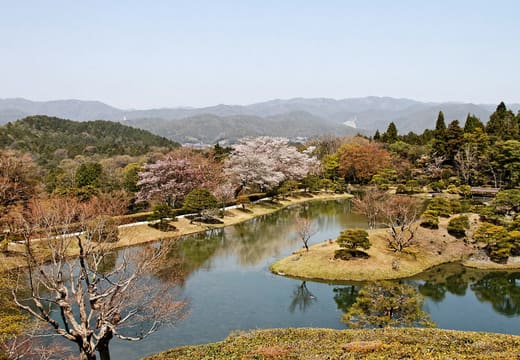
Landmark · Shugakuin Shugakuin Imperial Villa Retired Emperor Gomizuno-o built Shugakuin Imperial Villa on the slopes of Mount Hiei between 1656 and 1659. It's three gardens on three levels, joined by pine-lined paths through rice paddies. From the Rinuntei pavilion at the top you look across the Yokuryuchi pond to the whole of Kyoto and the western mountains.