Kyoto Autumn Leaves
Where the maples turn, and when to go
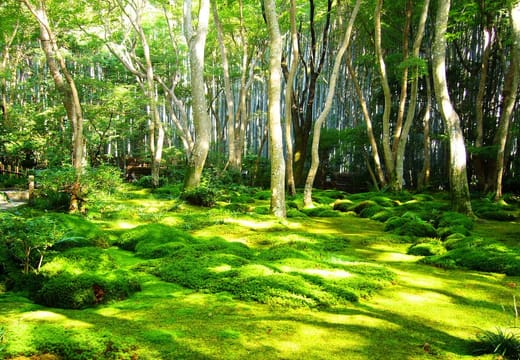
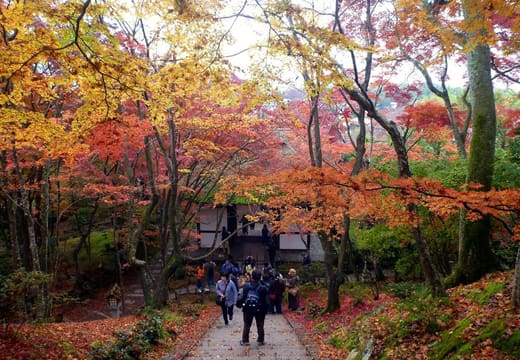
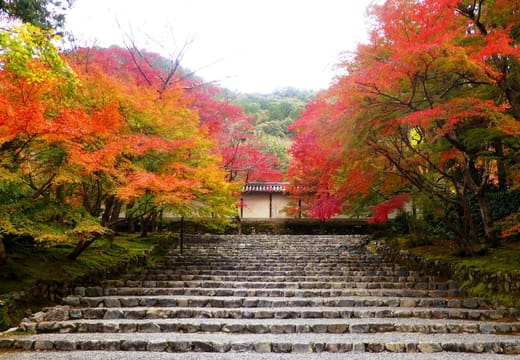
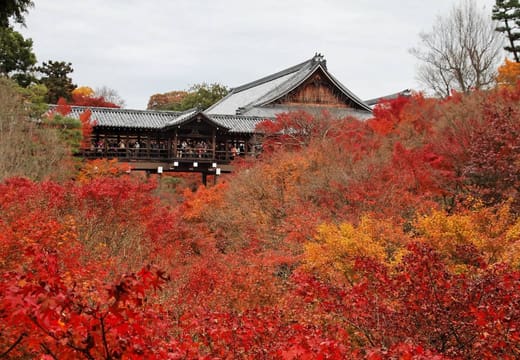
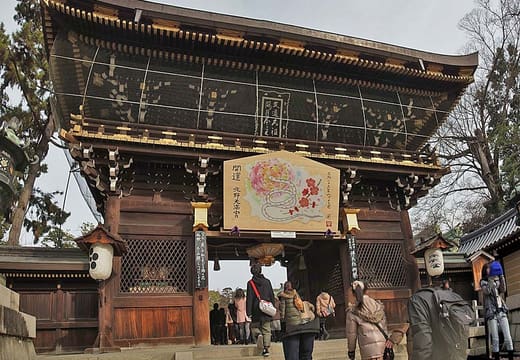
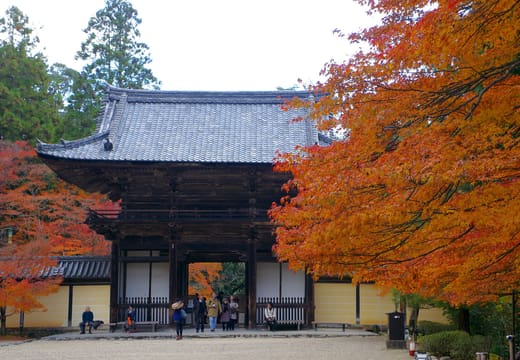
Kyoto's temple maples usually peak from mid to late November, and some gardens hold their colour into the first week of December. They're packed by then, so when you go matters as much as where. Kiyomizu-dera opens its gate at 6:00, and in the season Tofuku-ji opens its Tsutenkyo bridge at 8:30. Be there for it. After dark, Eikan-do and To-ji light their maples on ¥1,000 night tickets, and Kodai-ji's day ticket lets you stay on until the gate shuts at 22:00. In Arashiyama, Jojakko-ji and Nison-in are a few minutes' walk apart under Mount Ogura, and Gio-ji isn't much further.
The autumn leaf spots on a map
Every spot in this collection, numbered from west to east. Spots within about 250 m of each other share a pin, and the ones outside the frame are listed under it. Tap a pin to open its page, or open the full map to see the spots with the events and the rest of Kyoto.
- Gio-ji, Nison-in · Arashiyama
- Jojakko-ji · Arashiyama
- Kameyama Park, Okochi Sanso · Arashiyama
- Jingo-ji · Takao
- Hogon-in · Arashiyama
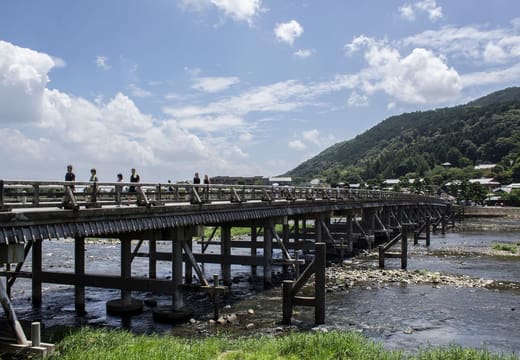
- Togetsukyo Bridge · Arashiyama
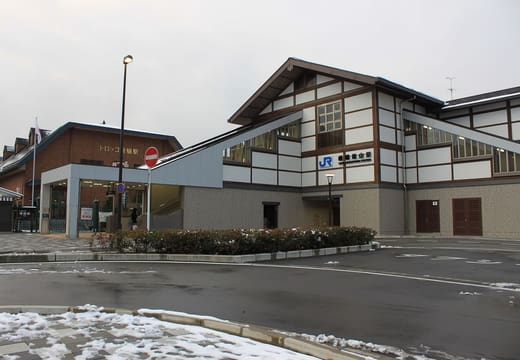
- Sagano Romantic Train · Arashiyama
- Ninna-ji · Kinkakuji
- Toji-in · Kinkakuji
- Kitano Tenmangu · Kitano
- Umekoji Park · Kyoto Station
- Jonangu · Fushimi
- To-ji · Kyoto Station
- Nijo Castle · Nijo
- Kyoto Botanical Gardens · Demachiyanagi
- Shosei-en Garden · Kyoto Station
- Kyoto Gyoen · Imperial Palace
- Tofuku-ji · Fushimi
- Kodai-ji · Gion
- Kiyomizu-dera · Higashiyama
- Shogunzuka Seiryuden · Higashiyama
- Konkai Komyo-ji, Shinnyo-do · Ginkakuji
- Konchi-in · Okazaki
- Eikan-do · Okazaki
- Shisen-do · Ginkakuji
- Philosopher's Path · Ginkakuji
- Shugakuin Imperial Villa · Shugakuin
- Daigo-ji · Daigo
Off the map: Kurama and Kibune (Kurama and Kibune), Ohara (Ohara).
Autumn 2026 at a glance
Checked . Forecasts change as the season goes on, so check the source before you plan a day round a date.
- Forecast for the city
- Ginkgo around 27 November and maples around 11 December, which the forecaster counts as an average year (the averages are 24 November and 5 December). The dates are for sample trees in the city, on the first day most of a tree's leaves have turned. The next update is due in early November. Source: Japan Meteorological Corporation, 1 October 2026
- Jojakko-ji, Arashiyama
- The temple says its maples usually start to turn in the second week of November, are at their best from mid to late November and hang on in places into the first week of December. It's open every day, ¥600. Source: Jojakko-ji
- Tofuku-ji
- From 14 November to 6 December the Tsutenkyo bridge opens at 8:30, half an hour before the Hojo garden, and costs ¥1,000 with the Founder's Hall. There's no joint ticket in those weeks, and no re-entry. Source: Tofuku-ji
- Eikan-do
- The autumn treasure exhibition, with the garden, runs 11 November to 6 December (¥1,500, entry 9:00 to 16:00). The light-up runs 20 November to 6 December, entry 17:30 to 20:30, on a separate ¥1,000 ticket. Day and night are separate sessions, there are no advance tickets, and on crowded days it may stop selling them early. Source: Eikan-do
- Kiyomizu-dera at night
- From 21 to 30 November the temple stays open to 21:30 (last entry 21:00), and you don't need to book. Source: Kiyomizu-dera
- To-ji light-up
- Every night from 31 October to 13 December, 18:00 to 21:30 (last entry 21:00), ¥1,000. The maples in the grounds are lit and the Kondo and Kodo halls open after dark. You can walk there from Kyoto Station. Source: To-ji
- Kodai-ji
- From 23 October to 13 December it's open 9:00 to 22:00 (last entry 21:30), with the garden lit from 17:00. One ¥800 ticket covers day and night, but you can't come back in once you've left. Source: Kodai-ji
- Rurikoin, Yase
- Open 1 October to 13 December, 10:00 to 17:00 (last entry 16:30), ¥2,000. From 13 November to 6 December you have to book on the temple's own site. Source: Kyoto City Tourism Association
- Kyoto accommodation tax
- Kyoto has charged it since October 2018, and the rates went up on 1 March 2026. It's per person per night on the room rate before meals and consumption tax. That's ¥200 under ¥6,000, ¥400 under ¥20,000, ¥1,000 under ¥50,000, ¥4,000 under ¥100,000 and ¥10,000 from ¥100,000 up. You pay it at the hotel, though it's sometimes included in what you paid a booking site. Source: Kyoto City
- Kyoto events calendar, the light-ups and garden openings with times and a map
- Arashiyama, the maple temples under Mount Ogura
- What's on in Kyoto: November 2026 · December 2026
The places
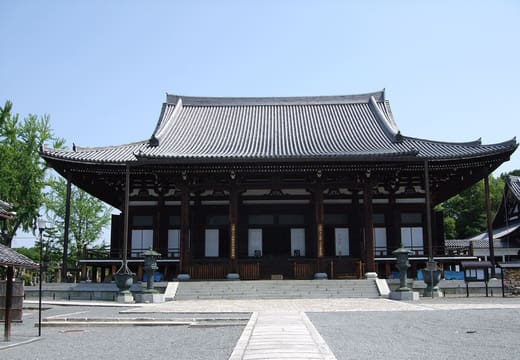
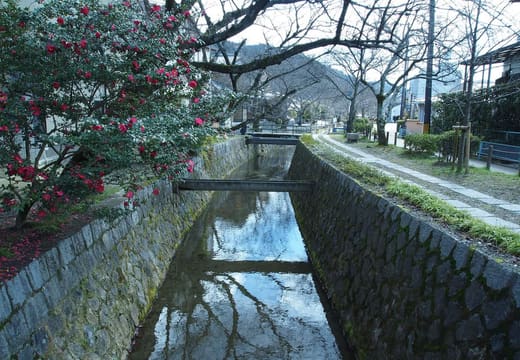
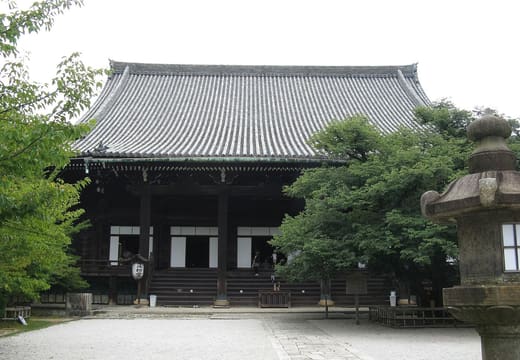
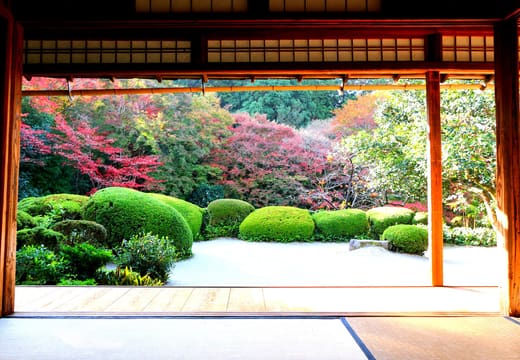
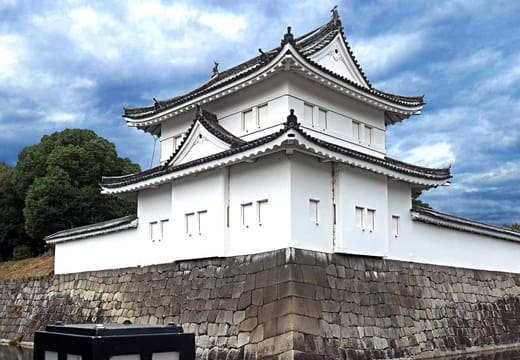
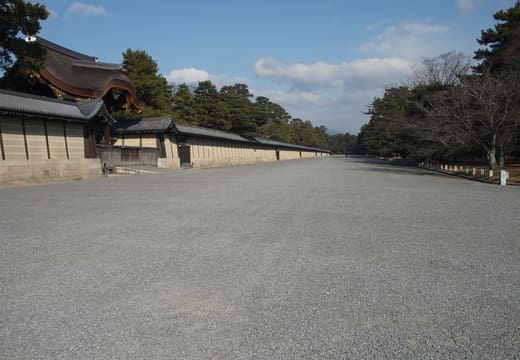
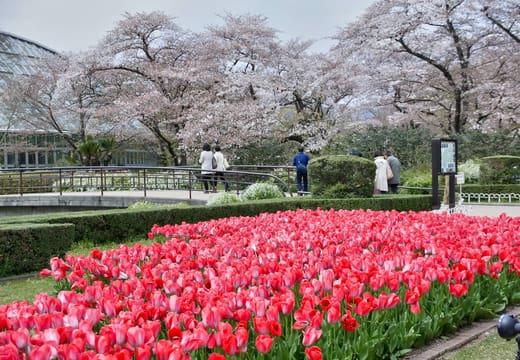
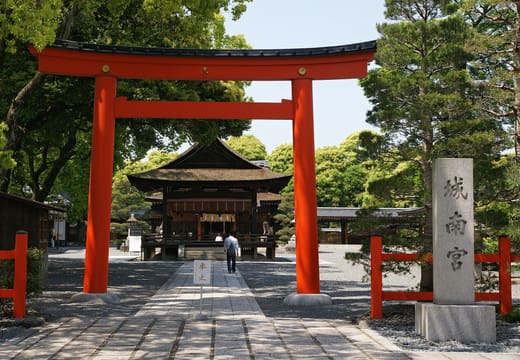
Autumn light-ups and garden openings
- 1 Oct to 13 Dec Rurikoin Autumn Special Opening Rurikoin Rurikoin, at the foot of Mount Hiei in Yase, opens for the autumn season and gets very busy. From 13 Nov to 6 Dec you have to book ahead on the temple's site, and junior and senior high school students pay ¥1,000. Official site Hotels nearby
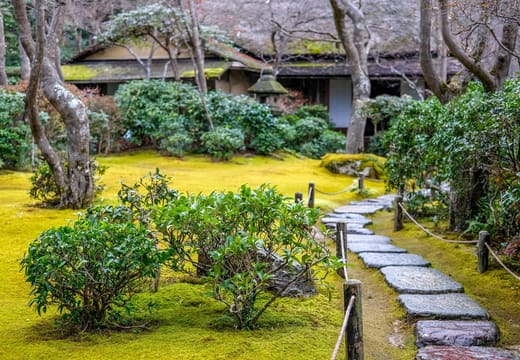
- 3 Oct to 6 Dec Hogon-in Autumn Opening and Night Viewing Hogon-in This Tenryu-ji sub-temple opens its Shishiku garden, which borrows Arashiyama as a backdrop, round a lion-shaped rock under heavy maples, and for an extra ¥500 you can see Tamura Noriko's paintings in the main hall. From 13 Nov the garden is also lit at night (17:30 to 20:30, ¥1,000). Official site Hotels nearby
- 10 Oct to 7 Nov Kyoto City Zoo Autumn Night Opening Kyoto City Zoo On seven autumn days the zoo stays open until 20:00 and is lit after dark, with keeper talks at 17:30, 18:00 and 18:30 and an outdoor film at 19:00 from 12 Oct. Entry is the usual ¥750, free for junior high school students and younger, and gorillas, monkeys and some birds aren't on show at night. Official site Hotels nearby
- 23 Oct to 13 Dec Entoku-in Autumn Exhibition and Night Viewing Entoku-in Nene spent her last 19 years at this Kodai-ji sub-temple, and its north garden, a dry landscape later reworked by Kobori Enshu, is lit at night while the Toyotomi family's Teikan-zu screens are on show. A ¥1,200 ticket covers both Entoku-in and Kodai-ji, and it's closed on 11 and 12 Dec. Official site Hotels nearby
- 23 Oct to 5 Dec Nijo Castle Autumn Light-up (NAKED meets Nijo-jo 2026) Nijo Castle For the 400th anniversary of the Kan'ei imperial visit, the castle's night light-up is an art show by NAKED built around Tokugawa Masako and Kan'ei-era design, with maples, ginkgo and cherry trees lit along the way. Tickets are ¥2,000 Monday to Thursday and ¥2,400 Friday to Sunday and on holidays (¥400 less if bought by 22 Oct), and children up to junior high school get in free. Official site Hotels nearby
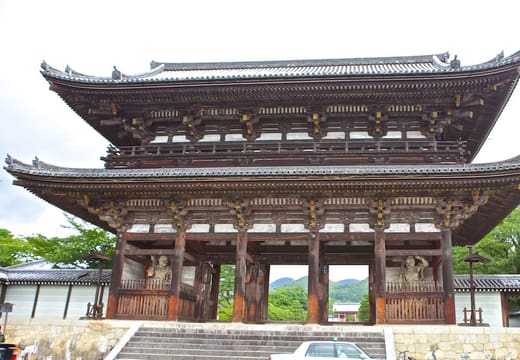
- 24 Oct to 13 Dec Ninna-ji 'Sea of Clouds' Autumn Light-up Ninna-ji Ninna-ji lights its autumn maples above a 'sea of clouds', with a 528 Hz 'healing sound garden' playing. It runs on Fridays, weekends and holidays only, not on 8 or 28 Nov, and high school students and younger get in free. Official site Hotels nearby
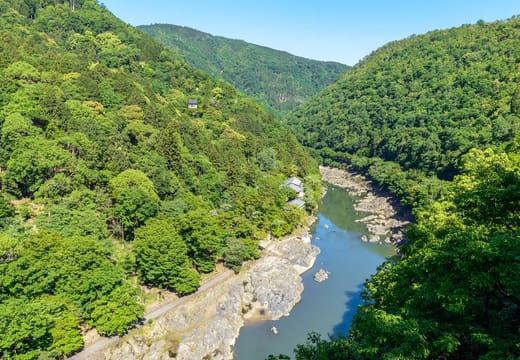
- 24 Oct to 29 Dec Sagano Romantic Train Autumn Light-up Sagano Scenic Railway From late afternoon the trains run past lit maples and illuminations in the Hozu gorge between Torokko Arashiyama and Torokko Kameoka. The railway says it's the last autumn light-up you'll see from the current carriages, and there's no service on 16 Dec. Official site Hotels nearby
- 31 Oct to 6 Dec Kitano Tenmangu Momiji-en Maple Garden Kitano Tenmangu About 350 maples grow on the Odoi, the earth rampart Toyotomi Hideyoshi built round Kyoto, and the garden opens for the season with a light-up after dark from 13 Nov. Look out for the vermilion Uguisu Bridge over the Kamiya River, and the ticket comes with a sweet based on fu-no-yaki, said to have been devised by Sen no Rikyu. Official site Hotels nearby
- 31 Oct to 6 Dec NAKED GARDEN NIGHTS at Higashi Honganji and Shosei-en Higashi Honganji and Shosei-en NAKED lights Higashi Honganji and its detached garden Shosei-en for an evening walk through five scenes. Adult tickets are ¥2,100 Monday to Thursday and ¥2,300 Friday to Sunday and on holidays (¥200 less in advance), and from 6 to 8 Nov and on 25 Nov only Shosei-en is open. Official site Hotels nearby
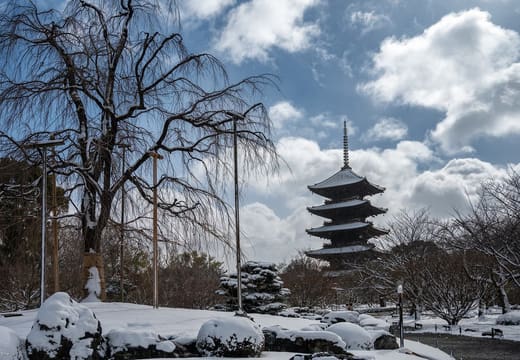
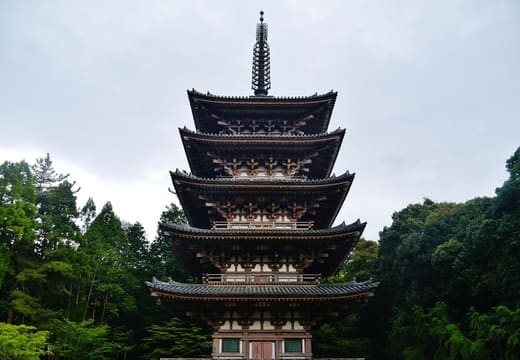
- 31 Oct to 13 Dec To-ji Autumn Light-up and Night Viewing To-ji About 200 maples round the five-storey pagoda are lit and reflected in Hyotan Pond, and the Kondo and Kodo halls, with the Kodo's 3D mandala of statues, open after dark. By day over the same dates, the pagoda's richly painted first floor is open too (8:00 to 17:00). Official site Hotels nearby
- 7 to 8 Nov Arashiyama Momiji Matsuri Oi River above Togetsukyo Bridge Boats on the river above Togetsukyo Bridge re-create the boating parties of Heian nobles, with imayo songs, court music and dance on the water and the banks. It's called off if it rains. Official site Hotels nearby
- 7 Nov to 6 Dec Chishaku-in Night Viewing Chishaku-in Chishaku-in lights the approach to its Kondo hall and the bell tower among the autumn leaves. The treasure house, with the Hasegawa Tohaku school's National Treasure wall paintings, stays closed at night, and children 12 and under go free. Official site Hotels nearby
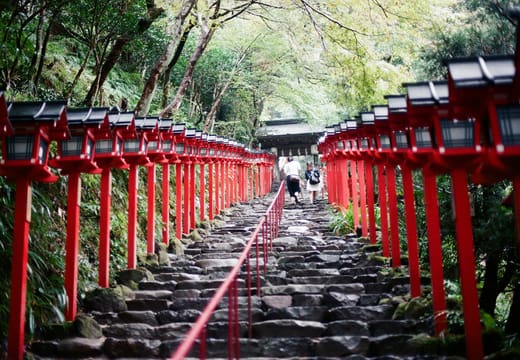
- 7 to 24 Nov Kifune Shrine Autumn Light-up Kifune Shrine The main approach to Kifune Shrine is lit through the maple season, from sunset to 20:30, and it's free. The amulet office stays open until 20:00. Official site Hotels nearby
- 7 Nov to 6 Dec Shoren-in Autumn Night Viewing Shoren-in Shoren-in's main image is a Buddha wrapped in light, so the whole temple is lit as an artwork, from inside the halls to the pond garden, the bamboo grove and the giant camphor trees. Its hilltop sister site, Shogunzuka Seiryuden, isn't holding a night viewing in 2026. Official site Hotels nearby
- 10 Nov to 10 Dec Enko-ji Autumn Leaves Opening Enko-ji Northern Kyoto's cold gives Enko-ji strong autumn colour, and for this season you need a timed ticket, bookable online from 20 Oct. Walk-ins get in only if there's space left on the day, and the car park is closed. Official site Hotels nearby
- 11 Nov to 6 Dec Eikan-do Autumn Treasure Exhibition Eikan-do (Zenrin-ji) Eikan-do brings out Important Cultural Properties from its collection while its roughly 3,000 maples turn. The ¥1,500 ticket includes the garden, and the nearest bus stop, Nanzenji Eikando-michi, closes at the busiest times. Official site Hotels nearby
- 13 Nov to 6 Dec Kurodani Konkai Komyo-ji Autumn Night Viewing Konkai Komyo-ji (Kurodani) Konkai Komyo-ji lights its Goeido hall and the Shiun garden, where the maples reflect in the pond, shows Ito Jakuchu's rooster screens in the great abbot's hall, and lights next-door Eisho-in too (¥1,600 for both). Koto and shinobue players give 20-minute sets at 17:45, 18:30 and 19:30, included in the ticket. Official site Hotels nearby
- 13 to 29 Nov Umekoji Park Autumn Leaves Light-up Suzaku Garden, Umekoji Park Umekoji Park lights the maples and pines of its Suzaku Garden, where a still pond mirrors the trees and one path runs under leaves you can almost touch. Tickets are ¥600, ¥100 less with a same-day stub from the aquarium, the railway museum or VIVA SQUARE KYOTO, and it's closed on 16 and 24 Nov. Official site Hotels nearby
- 17 Nov to 6 Dec Chion-in Autumn Light-up Chion-in Chion-in lights the Yuzen-en garden, the huge Sanmon gate, the Otoko-zaka steps and the Miedo hall. This year the gallery round the Sanmon's upper floor is open at night too, so you can look out over the city. Official site Hotels nearby
- 20 Nov to 6 Dec Daigo-ji Autumn Night Viewing Daigo-ji Daigo-ji lights the maples of the Rinsen pond area, where the red Bentendo and the trees reflect in the water, and the temple buildings round them. Day and night visitors are fully separated, so you'll need a night ticket. Official site Hotels nearby
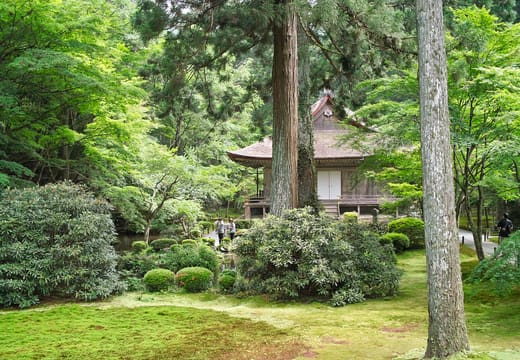
- 20 Nov to 6 Dec Reikan-ji Autumn Special Opening Reikan-ji Reikan-ji, a convent founded in 1654 whose abbesses were imperial princesses, opens its moss and maple garden, a study moved from Emperor Gosai's palace with Kano-school paintings, and its main hall, with guides explaining the buildings. It's better known for spring camellias, so autumn is the rarer chance. Official site Hotels nearby
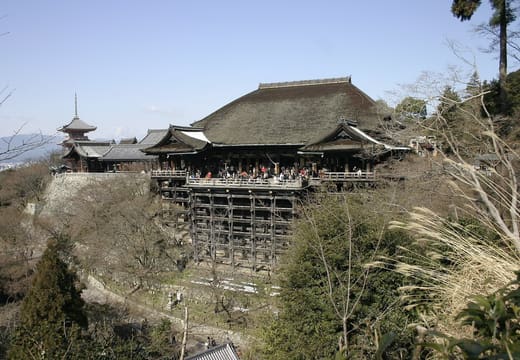
- 21 to 30 Nov Kiyomizu-dera Autumn Night Viewing Kiyomizu-dera Kiyomizu-dera stays open until 21:30 while about 1,000 maples below the wooden stage are lit, and a blue beam standing for Kannon's compassion sweeps over the city. You don't need to book. Official site Hotels nearby
- 21 to 30 Nov Joju-in Garden Special Opening at Kiyomizu-dera Joju-in, Kiyomizu-dera Joju-in, where the monk Gessho and Saigo Takamori are said to have met in secret before the Meiji Restoration, opens its 'Moon Garden', an early Edo garden that borrows Kodaiji-yama hill as its backdrop. It's a national Place of Scenic Beauty, open by day and again in the evening. Official site Hotels nearby
- 28 Nov to 1 Dec Kyoto State Guest House Autumn Evening Opening Kyoto State Guest House For four days the State Guest House stays open into the evening, when its shoji screens glow like big lanterns over the central pond. There's no booking or guide, children of primary school age and younger can't enter, and you'll want a torch for the dark walk through the Imperial Park. Official site Hotels nearby
- 22 Oct to 12 Dec (dates to be confirmed) Autumn Night Viewing at Kodai-ji Kodai-ji Kodai-ji stays open after dark through the autumn season, with the grounds lit from 17:00. One ticket covers day and night, ¥800 for adults in 2026, but you can't go back in once you've left. Official site Hotels nearby
- 22 Oct to 5 Dec (dates to be confirmed) Nijo-jo Matsuri and Autumn Light-up Nijo Castle Nijo Castle's autumn festival, with a Kyoto specialty goods fair and other events by day, and an evening light-up and art show in the grounds. In 2026 the night ticket was ¥2,000 Monday to Thursday and ¥2,400 Friday to Sunday, separate from day entry, and free for junior high students and under. Official site Hotels nearby
- 23 Oct to 12 Dec (dates to be confirmed) Autumn Cloud-sea Light-up at Ninna-ji Ninna-ji Ninna-ji lights its autumn maples on Friday to Sunday and holiday evenings, with mist rolling through the grounds like a sea of clouds and music played in the garden. It was ¥2,800 in 2026, free for high school students and under. Official site Hotels nearby
- 30 Oct to 12 Dec (dates to be confirmed) Autumn Light-up and Night Opening at To-ji To-ji To-ji lights up its autumn maples and opens the Kondo and Kodo halls, with their Buddhist statues, after dark every night of the season. It was ¥1,000 in 2026. Official site Hotels nearby
More collections
 Free Things to Do in Kyoto Big sights that cost nothing, and when to catch them
  Rainy Day Kyoto Where to go when it pours
  Kyoto Early in the Morning The city before the crowds arrive
 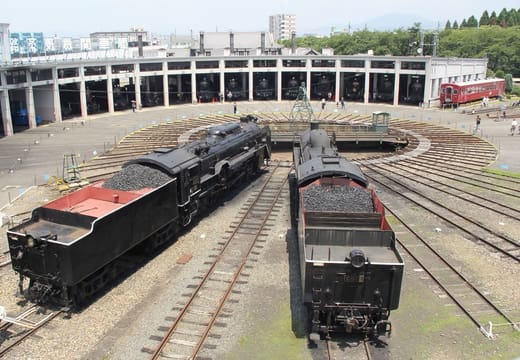 Kyoto with Kids Places to break up the temples