Best Day Trips from Kyoto (2026), With Trains and Fares
The best day trips from Kyoto are Nara, Uji, Kurama, Himeji and Amanohashidate. Here's the train, the time and the fare for each, checked in October 2026.
The best day trips from Kyoto are Nara, Uji, Kurama and Kibune, Ohara and Himeji Castle. Nara, Uji and Kurama are all under 50 minutes by train, and you can do Uji in a morning. Here’s the train, the time and the one-way fare for each, plus five half days that don’t leave the city.
| Trip | From | Time each way | Fare each way, 1 adult | Best season | Good for |
|---|---|---|---|---|---|
| Nara | Kyoto Station, Kintetsu limited express or JR | About 35 min (Kintetsu), 45 (JR) | ¥1,280 by limited express, ¥720 by JR | Late Oct to early Nov, or 1 to 14 March | A first day trip |
| Uji | Kyoto Station, JR Miyakoji Rapid | 17 min | ¥240 | April to early July for the gardens | A morning, tea |
| Kurama and Kibune | Demachiyanagi, Eizan Railway | 31 min to Kurama, 28 to Kibuneguchi | ¥470 | Summer or autumn | A walk over a ridge |
| Ohara | Kyoto Station, Kyoto Bus 17 | About an hour | ¥630 | Autumn | Moss gardens |
| Enryaku-ji | Kyoto Station, Hieizan Drive Bus | About 70 min | ¥790 on Kyoto Bus 51 | A clear day, late March to early Dec | Lake Biwa views |
| Himeji Castle | Kyoto Station, JR Special Rapid | About 1 hr 33 min | ¥2,210 | Year-round, at the 9:00 opening | The big castle |
| Hikone Castle | Kyoto Station, JR Special Rapid | About 50 min | ¥1,170 | Year-round, at the 8:30 opening | An original keep in half a day |
| Omihachiman | Kyoto Station, JR Special Rapid | 35 min, then a 7-min bus | ¥680 | Spring | A boat on the old moat |
| Amanohashidate | Kyoto Station, JR limited express Hashidate | Just over 2 hr | ¥5,000 with the reserved seat | A clear day | The sea |
| Daigo-ji | Kyoto Station, JR to Yamashina, then the Tozai Line | 5 min, then about 10 | ¥180 for the JR leg | Cherry season, late Nov | Pagoda and cherries |
| Jingo-ji and Kozan-ji | Kyoto Station, JR Bus | About 50 to 55 min | Covered by the ¥1,100 day pass | November | Maples in the hills |
| Katsura Imperial Villa | Hankyu Kyoto Line to Katsura | Then 20 min on foot | Depends where you board | Spring | Garden lovers who book |
| Saiho-ji | Kyoto Station, Kyoto Bus 73 | About an hour | ¥230 | Whenever you can book | The moss temple |
| Shugakuin Imperial Villa | Demachiyanagi, Eizan Railway | 4 stops, then 20 min on foot | ¥220 | Autumn | A free tour, adults only |
Fares are one way for one adult, checked on 11 October 2026 with JR West’s fare search, Kintetsu’s fare search, the Eizan Railway fare table, Keihan’s fare tables and Kyoto Bus’s fare table, where route 73 is a flat ¥230. Katsura’s fare depends on which Hankyu station you start from. Times come from each place’s entry and from Enryaku-ji, Daigo-ji, West JR Bus and the Imperial Household Agency.
The out-of-town trips are on the map with their station and cost. Most leave from Kyoto Station, and the Eizan trips from Demachiyanagi.
The short answer
- Only one day to spare? Nara.
- Only a morning? Uji, 17 minutes from Kyoto Station.
- Want a mountain walk? Kurama and Kibune.
- Want a castle? Himeji for the famous one, Hikone if you’d rather ride 50 minutes than 90.
- Here in November? Takao, Ohara or Kurama. See autumn colour in Kyoto.
- Want the sea? Amanohashidate, if four hours of trains doesn’t put you off.
- Love gardens and plan ahead? Katsura, Saiho-ji and Shugakuin are booked visits, though Katsura and Shugakuin also take walk-ins at the gate from 8:40.
Nara
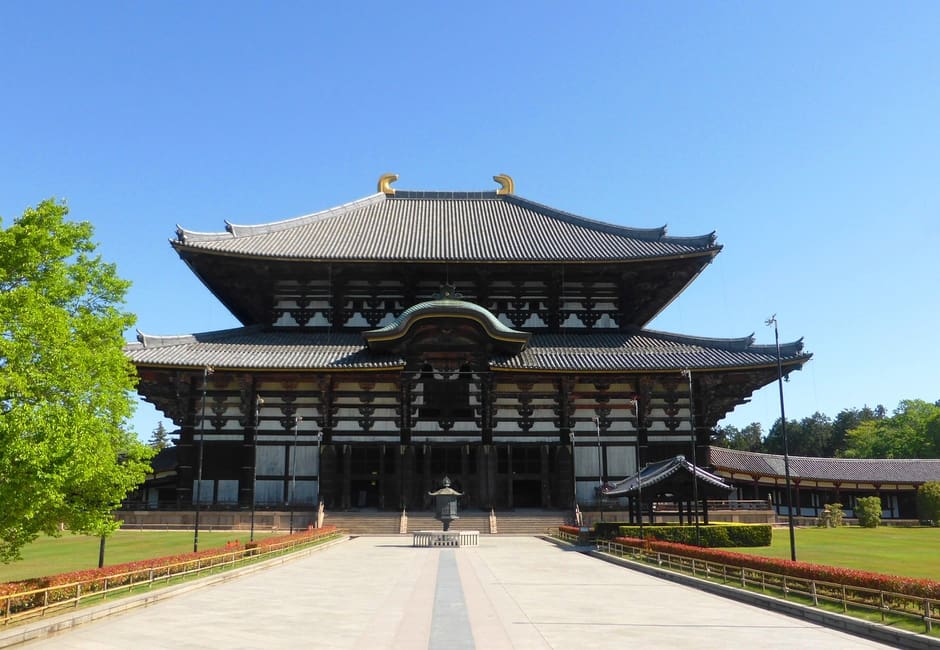
If you’ve only got one day, spend it here. Todai-ji’s bronze Buddha is almost 15 m tall and was first dedicated in 752. Its hall dates from 1709 and is only about 60 percent as wide as the original, yet it’s still one of the largest wooden buildings in the world. The deer that wander the grounds are a protected natural monument. Give the stags room in the rutting season, which starts in late summer.
Kintetsu’s limited express from Kyoto Station takes about 35 minutes to Kintetsu-Nara. You pay the ¥760 fare plus a ¥520 limited express ticket, and every seat’s reserved (Kintetsu’s other trains don’t need the extra ticket). JR’s Miyakoji Rapid takes about 45 minutes to JR Nara for ¥720. From either station, the city loop bus stops at Todaiji Daibutsuden Kasugataisha-mae, 5 minutes’ walk from Todai-ji, says the Nara City Tourism Association. The Great Buddha Hall’s ¥800, cash only.
Check the calendar. The Shosoin treasures show at the Nara National Museum runs from 24 October to 9 November 2026, with timed tickets you book ahead. From 1 to 14 March, Todai-ji’s Nigatsu-do lights huge torches every evening for Omizutori, a rite held every year since 752. The events calendar has more.
Uji
Uji’s 17 minutes from Kyoto Station on the JR Miyakoji Rapid (¥240), and Byodo-in’s a 10-minute walk from JR Uji. Its Phoenix Hall was finished in 1053 to hold a 2.4 m Amida Buddha by the sculptor Jocho. The garden and museum cost ¥700, and going inside the hall is ¥300 more, in groups of up to 50 every 20 minutes from 9:30 to 16:10. Those can fill on busy days, so buy the inside ticket as soon as you arrive.
The approach is about 160 m of tea shops, and across the river the main hall of Ujigami Shrine is said to be the oldest shrine building in Japan. Staying near Gion? Take Keihan from Gion-Shijo and change at Chushojima for the Uji Line (¥360).
In spring, Mimuroto-ji opens its azalea garden (about 20,000 plants) from 10 April to 9 May 2027, then its hydrangea garden from 29 May to 4 July (¥1,000). The JR Nara Line also stops at Inari, by the big torii of Fushimi Inari Taisha, so you can walk the torii at dawn and still be in Uji by mid-morning. The Fushimi guide covers that stop.
Kurama and Kibune
Two mountain villages north of the city, joined by a trail over the ridge. Eizan trains from Demachiyanagi take 31 minutes to Kurama and 28 to Kibuneguchi, ¥470 either way. Ride to Kurama, climb to the temple, cross over to Kibune and take the train back from Kibuneguchi.
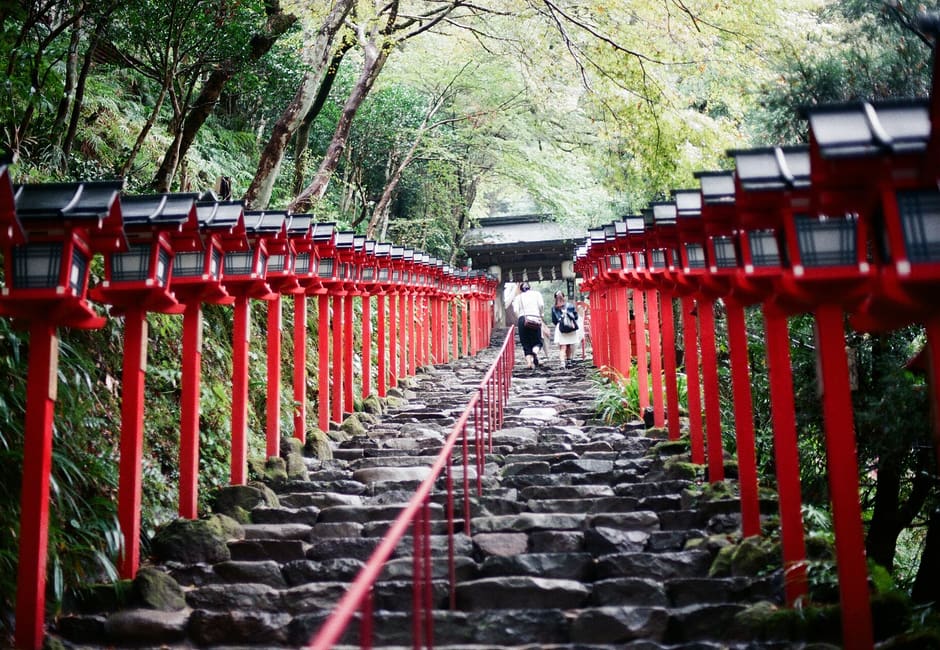
Kurama-dera’s where, legend says, the young Ushiwakamaru learned swordsmanship from the tengu. It asks ¥500 to enter, and its cable car skips the first climb for a ¥200 donation. The path to the inner sanctuary crosses the Ki-no-ne Michi, ground covered in cedar roots. Kifune Shrine, in the next valley, honours the god of water and it’s free. In summer the restaurants along the Kibune River serve meals on platforms over the water. The shrine’s 2 km up the valley from Kibuneguchi station, or take Kyoto Bus 33.
On 22 October the Kurama Fire Festival fills the village with burning pine torches from 18:00 until past midnight, and cars can’t get in from 15:00, so take the train. From 7 to 24 November 2026, Kifune Shrine lights its approach from sunset to 20:30, free.
Ohara
Ohara’s a valley in the hills north-east of Kyoto, and you go for Sanzen-in (¥700). Its Yusei-en garden is moss under cedar and cypress, with small stone jizo figures grown over with the same moss. The Ojo-gokuraku-in hall has a ceiling shaped like the bottom of a boat, raised to fit the big Amida triad inside.
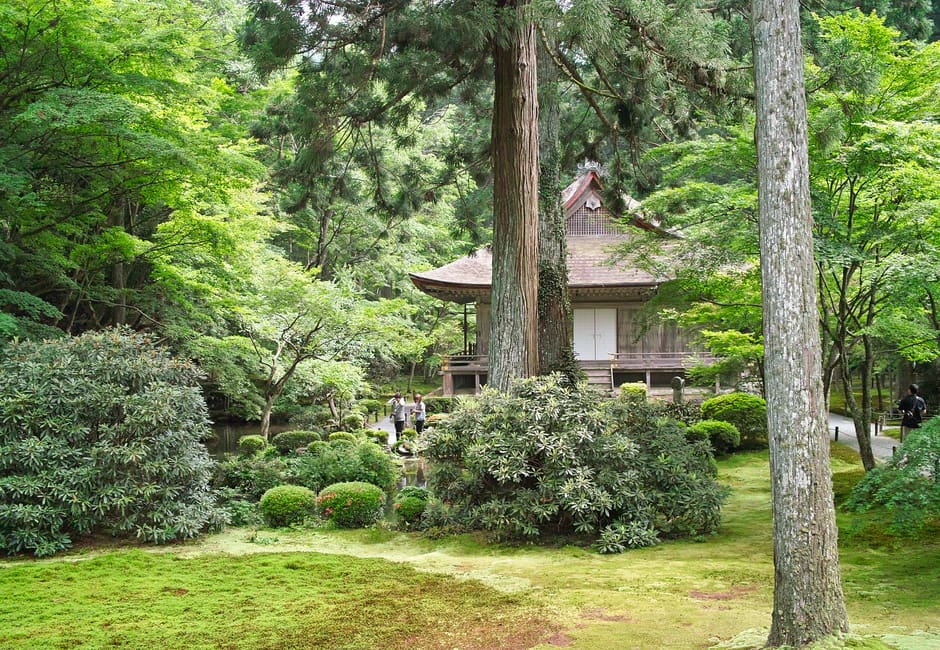
Kyoto Bus 17 from Kyoto Station takes about an hour to the Ohara stop, then it’s a 10-minute walk. It’s quicker to take the Karasuma Line to Kokusaikaikan (about 20 minutes) and Kyoto Bus 19 from there (about 22). You tap your IC card getting on and again getting off, Kyoto Bus says.
Enryaku-ji on Mount Hiei
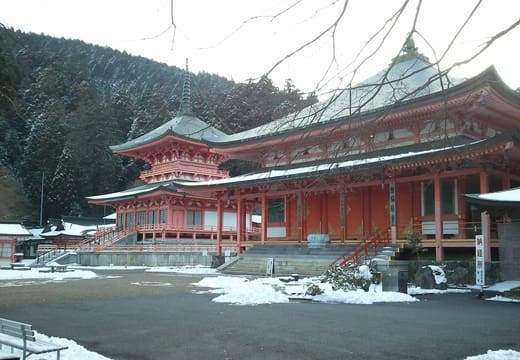
Enryaku-ji covers the top of Mount Hiei, with Lake Biwa below on one side and Kyoto on the other. Saicho founded it some 1,200 years ago. One ¥1,000 ticket covers its three areas, Todo, Saito and Yokawa, and a shuttle bus links them from the spring equinox to the first Sunday of December.
The Hieizan Drive Bus from Kyoto Station takes about 70 minutes. So does the Eizan from Demachiyanagi to Yase-Hieizanguchi (¥280) with the cable car, ropeway and shuttle bus. From the Shiga side, take the JR Kosei Line to Hieizan-Sakamoto (15 minutes, ¥320) and the Sakamoto cable car. Tickets are sold until 15:45, so don’t set off late.
Going up through Yase in autumn? Ruriko-in, at the foot of the mountain, is open until 13 December 2026 for ¥2,000, and from 13 November to 6 December you’ll have to book on the temple’s site.
Himeji Castle
Himeji Castle is the White Heron Castle. It reached its present form in 1609, it’s been a UNESCO World Heritage Site since 1993, and you can climb the five-tiered keep for a view over the whole city. The way up is all slopes and steep stairs, about as hard as a short mountain hike.
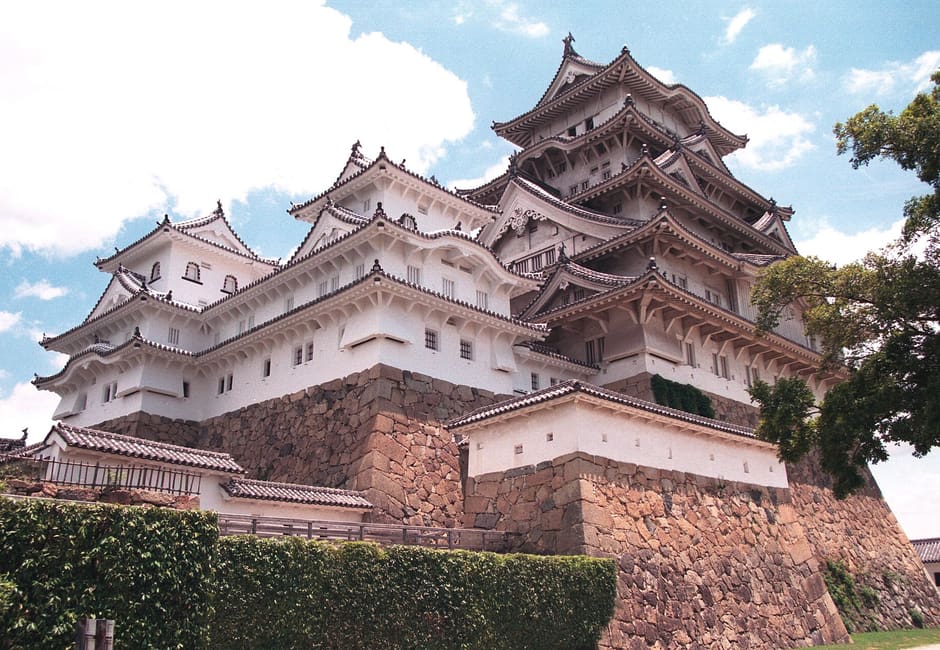
The JR Special Rapid from Kyoto Station takes about an hour and a half and costs ¥2,210. The Shinkansen takes about 45 minutes, and JR West’s search quotes ¥5,700 with a reserved seat on a Nozomi. From Himeji Station it’s a 20-minute walk, or take the Shinki bus to Himeji-jo Otemon-mae. Entry’s ¥2,500 for adults and free for under-18s. It’s open from 9:00 (last entry 16:00), and it’s closed on 29 and 30 December.
Hikone Castle and Omihachiman
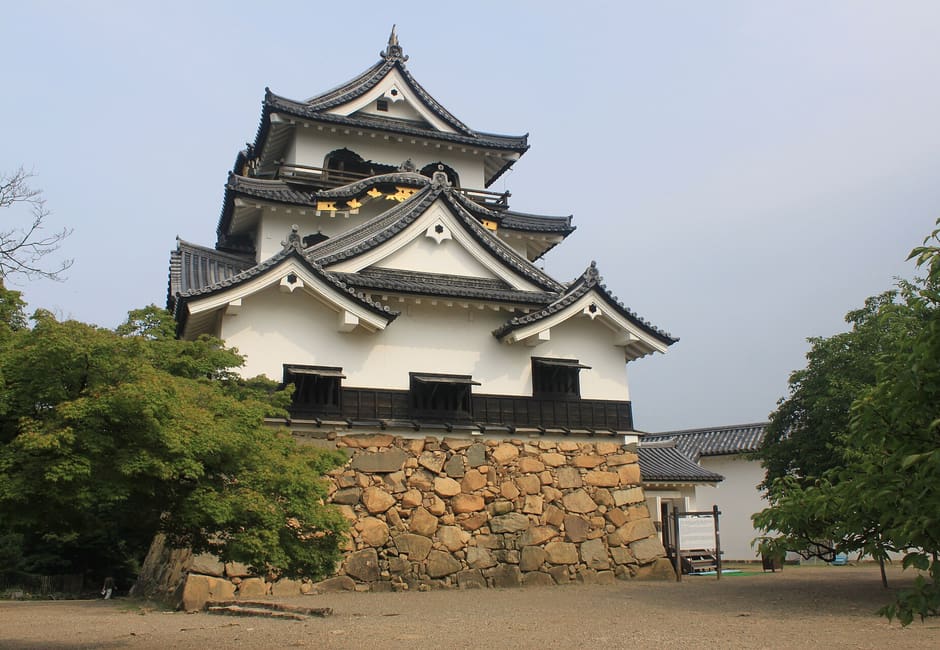
Hikone’s keep is one of five in Japan listed as a National Treasure, with Himeji, Matsumoto, Inuyama and Matsue. It’s 49 minutes from Kyoto on the JR Special Rapid (¥1,170), and entry’s ¥1,000 including Genkyu-en, the garden of the lords’ lower residence. The keep sits on a hill with steep stone steps and no lifts, and you take your shoes off inside. Gates open at 8:30.
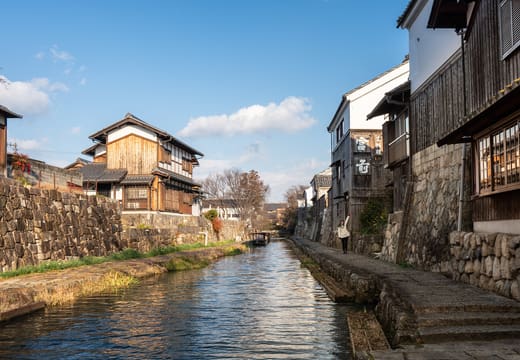
Omihachiman’s on the same line, 35 minutes from Kyoto (¥680), so you can do both in a day. The town grew up below Toyotomi Hidetsugu’s castle, and the Ohmi Railway bus for Chomeiji takes about 7 minutes to its old moat, Hachiman-bori, still lined with willows and white-walled storehouses. See it from a wooden boat. The ride’s 30 minutes, and of the two operators, one rows by hand. Cherry blossoms line the water in spring.
Amanohashidate
Amanohashidate’s a 3.6 km sandbar in Miyazu Bay on the Sea of Japan, covered in about 5,400 pine trees, and one of Japan’s Three Views. The Hashidate limited express runs straight there from Kyoto Station in just over two hours. Every seat’s reserved, and JR West’s search gives ¥5,000 each way (the ¥2,320 fare plus ¥2,680 for the seat). Check the times before you go.
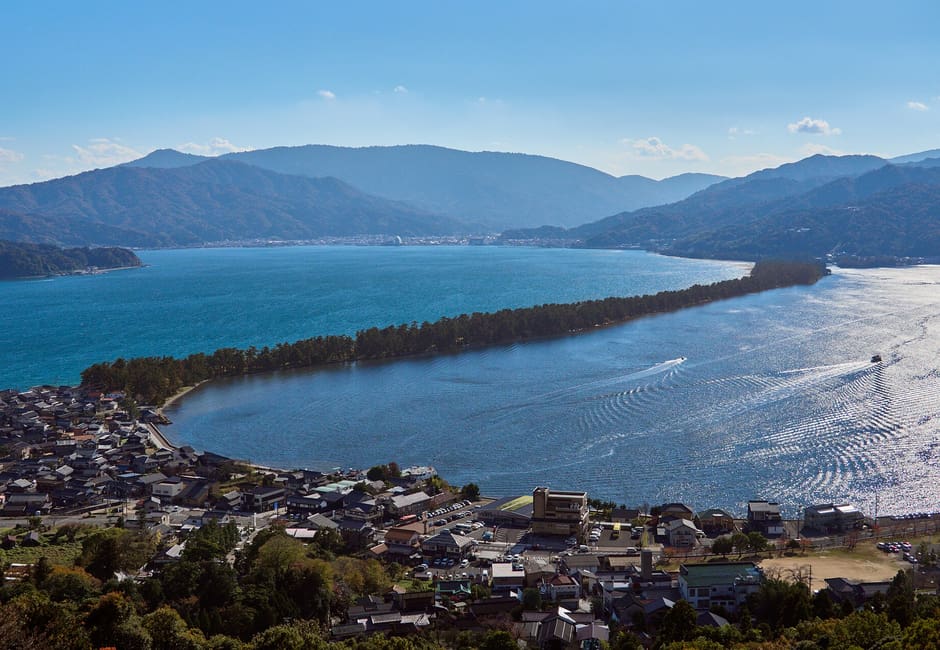
You can walk the sandbar in about 50 minutes or cycle it in 20. For the famous view, take the boat (12 minutes) or the bus (about 25) to the north shore, then the cable car or chairlift up to Kasamatsu Park (¥800 return). Up there you bend over and look at the bay upside down between your legs. It’s called mata-nozoki, and it started here.
Half days without leaving Kyoto
These are inside Kyoto City, but each one takes half a day.
Daigo-ji
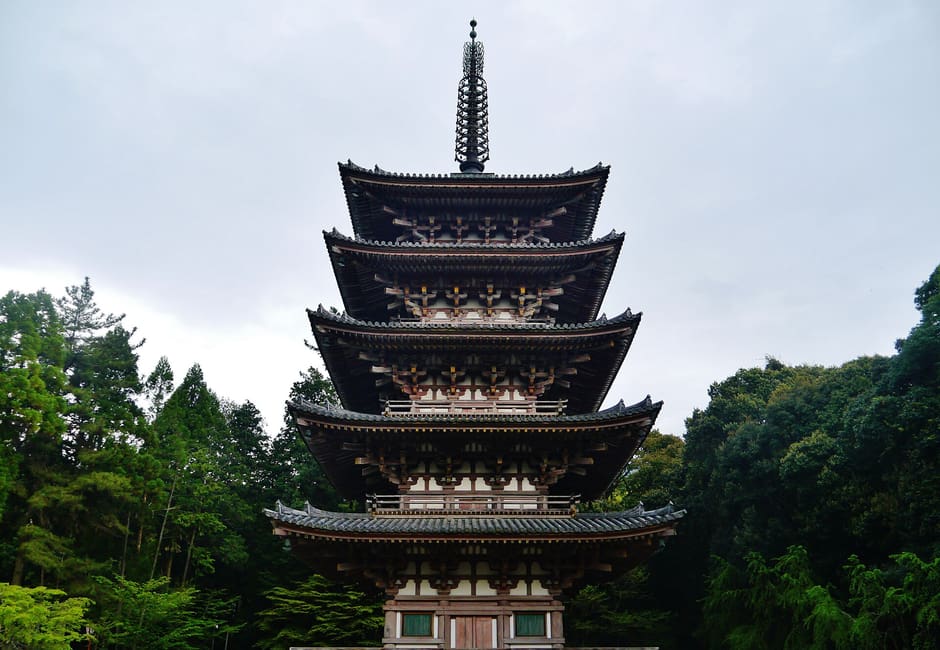
Daigo-ji’s five-storey pagoda, finished in 951, is the oldest wooden building in Kyoto Prefecture, and Toyotomi Hideyoshi threw his famous cherry blossom party here in 1598. Sanbo-in, the pagoda grounds and the Reihokan museum cost ¥1,500 together (¥1,800 from 20 March to the third Sunday of April). Take JR from Kyoto Station to Yamashina (5 minutes, ¥180), then the Tozai Line to Daigo (about 10), and walk 10 minutes from exit 2. From 20 November to 6 December 2026 the maples are lit from 18:00 to 20:50, and you’ll need a separate ¥1,500 ticket. In spring it’s on the cherry blossom list.
Jingo-ji and Kozan-ji in Takao
At Jingo-ji (¥1,000), where Kukai was abbot from 809, you throw small clay discs called kawarake off the lookout to get rid of bad luck. It’s a 20-minute walk from the Takao stop. Kozan-ji, at the Toganoo stop, is the temple of the Choju-giga, the scrolls of rabbits, monkeys and frogs at play like people, and its grounds are free except in autumn (¥500). JR Bus from Kyoto Station takes about 50 minutes to Takao and 55 to Toganoo. It’s all inside the city’s flat-fare zone, so the ¥1,100 subway and bus one-day pass covers it.
Katsura Imperial Villa and Matsuo Taisha
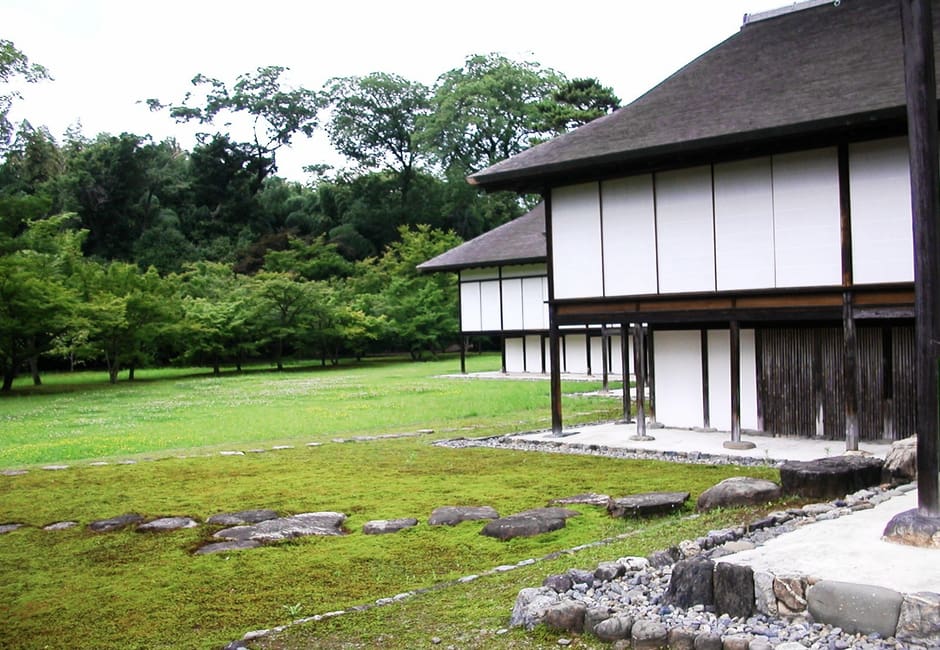
You only get into Katsura Imperial Villa on a staff-led tour of about an hour, ¥1,000 for adults, free for ages 12 to 17, and children under 12 aren’t allowed. English tours start at 9:20, 11:20, 13:20 and 15:20, plus 16:20 from March to September. Apply online from the first day of the month three months ahead, or line up at the gate from 8:40 for the walk-in Japanese tours, and bring your passport. It’s closed on Mondays (Tuesday when Monday’s a holiday) and from 28 December to 4 January. It’s a 20-minute walk from the east exit of Hankyu’s Katsura station, where you can change for the Arashiyama Line to Matsuo Taisha, the sake brewers’ shrine, right by Matsuo-taisha Station.
Saiho-ji
At Saiho-ji, the moss temple, every visit starts with copying a sutra in the main hall, then you’ve got the garden, about an hour in all. The offering’s ¥4,000 or more, under-13s aren’t allowed, and you can book online up to the day before. Kyoto Bus 73 from Kyoto Station takes about an hour.
Shugakuin Imperial Villa
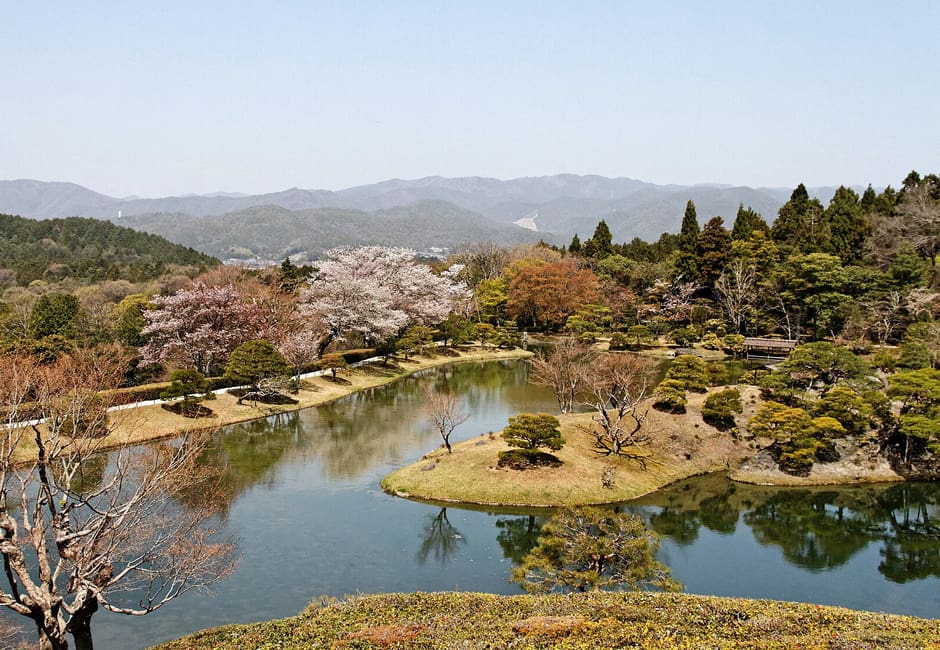
Shugakuin is three gardens on three levels on the slopes of Mount Hiei, joined by paths through rice paddies. The free tour takes about 80 minutes, in Japanese, with English audio guides for a limited number of people. Under-18s aren’t allowed, and you’ll need your passport. Apply online from the first day of the month three months ahead, or try for one of 50 walk-in places from 8:40. It’s four stops from Demachiyanagi on the Eizan (¥220), then 20 minutes on foot, and the 3 km route has steep slopes.
Before you go
Bring an IC card. The Eizan and Kyoto Bus take Japan’s nationwide IC cards, and Kintetsu takes one as your fare, though you’ll still need a limited express ticket on top. The travel tips say which card to get.
Book early. Saiho-ji, Katsura and Shugakuin are booked visits, and so are the Shosoin show’s timed tickets and the Hashidate’s seats.
Pick your base. Sleep near Kyoto Station for the JR and Kintetsu trips, or Demachiyanagi for the Eizan. The where to stay guide compares them, and things to do in Kyoto fills the other days.
Frequently asked questions
What’s the best day trip from Kyoto?
Nara, for a first trip. It’s about 35 minutes on Kintetsu’s limited express, and Todai-ji’s Great Buddha and the deer will fill your day. If you’ve only got a morning, go to Uji, 17 minutes away.
How do you get from Kyoto to Nara, and how much is it?
From Kyoto Station, Kintetsu’s limited express takes about 35 minutes to Kintetsu-Nara for ¥1,280 (the ¥760 fare plus a ¥520 limited express ticket). Kintetsu’s other trains don’t need the extra ticket. JR’s Miyakoji Rapid takes about 45 minutes to JR Nara for ¥720.
Can you do Uji and Nara in one day?
Yes. Uji’s on the JR Nara Line between Kyoto and Nara, so you can see Byodo-in in the morning and carry on to Nara on the same line.
Which day trips from Kyoto need booking?
Saiho-ji always does. Katsura and Shugakuin take online applications three months ahead and also take walk-ins at the gate from 8:40. The Hashidate and Kintetsu’s limited expresses are all reserved seats.
What’s the best day trip from Kyoto in autumn?
Takao in November, for the maples at Jingo-ji and Kozan-ji, then Ohara and Kurama. Daigo-ji lights its maples at night from 20 November to 6 December 2026.
Places in this guide
Photos show the actual places, licensed under Creative Commons and credited to their photographers.
Find hotels in Kyoto
Browse live availability and compare prices for your dates.
See hotels near Kyoto on Booking.comPrices are for the night of Saturday 17 October. You can change the dates on Booking.com. If you book, Roam Kyoto earns a small commission from Stay22 at no extra cost to you.