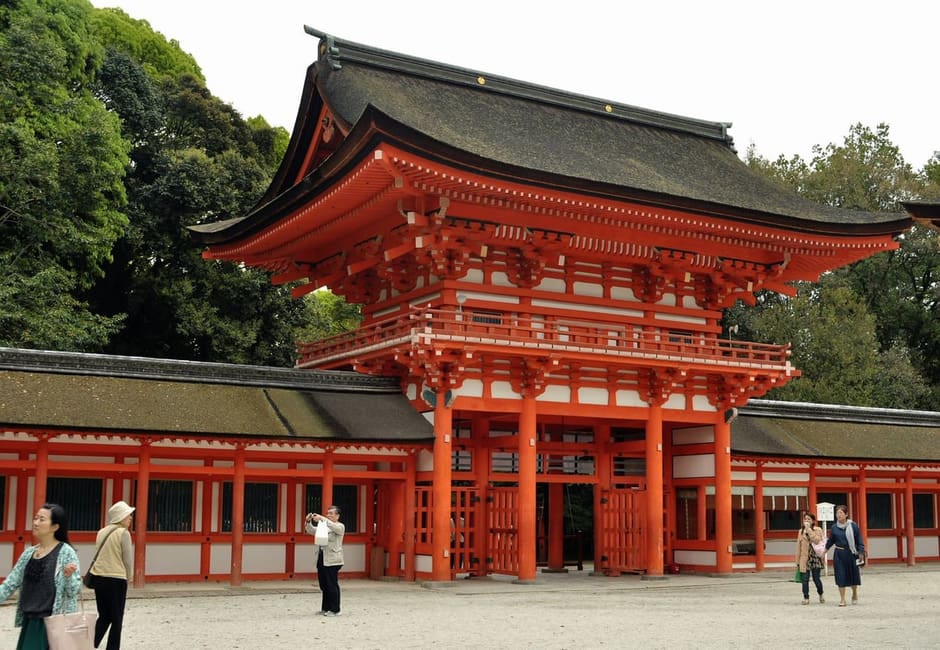
Demachiyanagi
Stepping stones, a shrine forest and the trains to Kurama
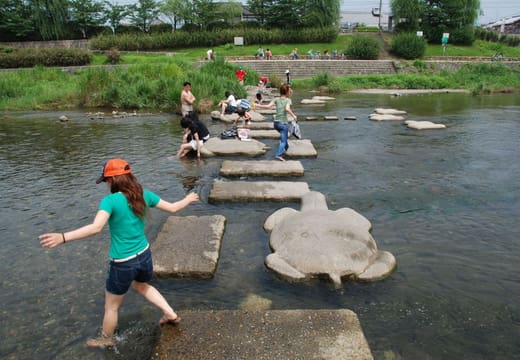
Demachiyanagi is where the Kamo and Takano rivers meet, and where the Keihan line from Osaka ends. Come up out of the station and the Kamogawa Delta is right there, with stepping stones shaped like turtles and birds. Walk north from its tip and you're in Tadasu no Mori, the forest round Shimogamo Shrine. Eizan trains for Kurama and the foot of Mt Hiei leave from the platforms above ground.
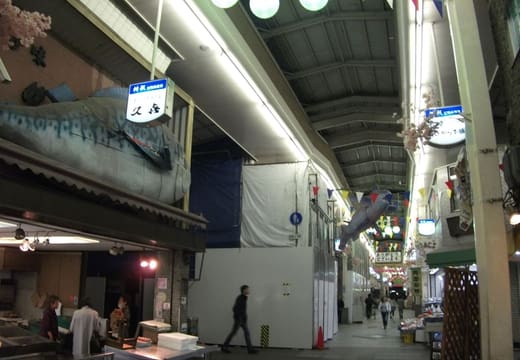
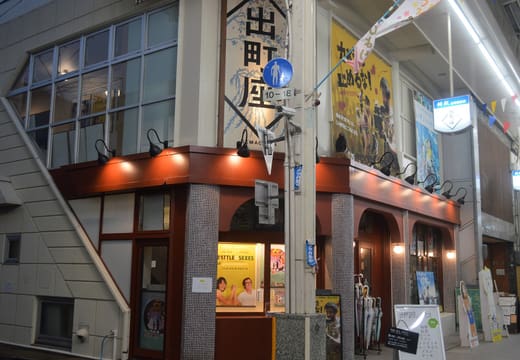
It's a student neighbourhood as much as a sightseeing one. Kyoto and Doshisha universities are close, the delta fills with students and families at weekends, and on fine days you'll see kids playing in the river. Across Demachi Bridge, the covered Demachi Masugata Shopping Street sells mostly fresh food to people doing their daily shopping, and there's a small cinema inside it.
Three dates are worth planning your trip round. The Aoi Matsuri, Shimogamo's festival with Kamigamo Shrine, is on 15 May. On 18 May the three huge mikoshi of the Goryo Matsuri are carried through the arcade. And on the night of 16 August the riverbanks fill for two of the Gozan Okuribi fires, Daimonji and Myoho.
Getting there
From Kyoto Station, take the JR Nara Line one stop to Tofukuji (about 3 minutes) and change to Keihan, which ends at Demachiyanagi about 12 minutes later, or catch Kyoto Bus 17 or City Bus 4 or 7 to the Demachiyanagi-ekimae stop. From Gion-Shijo it's about 7 minutes on Keihan, and Eizan trains get you to Kurama in about 30.
What to see
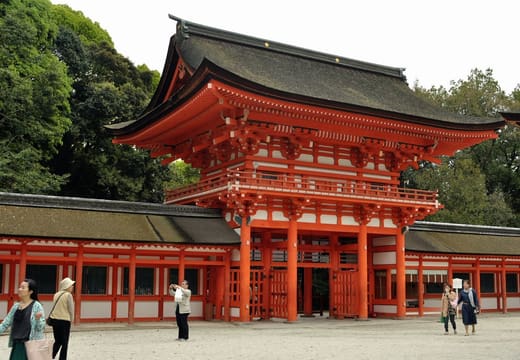
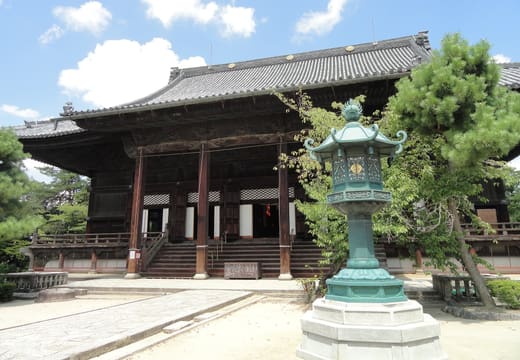
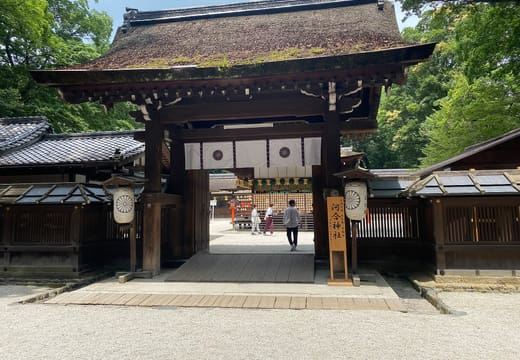
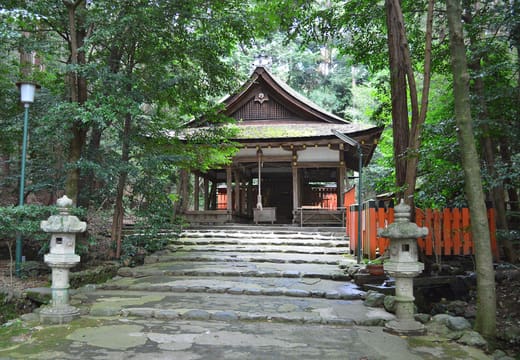
Hop across the stepping stones at the Kamogawa Delta, then walk north into Tadasu no Mori, a 12.4-hectare forest. Kawai Shrine comes first, at its south end. People pray for beauty here by making up the face drawn on a mirror-shaped plaque with their own cosmetics, and its gate shuts at 16:30. Keep going to Shimogamo Shrine, a UNESCO World Heritage site since 1994. For ¥1,000 you can see the Oidono, where offerings to the gods were cooked, and a reconstruction of Kamo no Chomei's hut, 10:00 to 16:00.
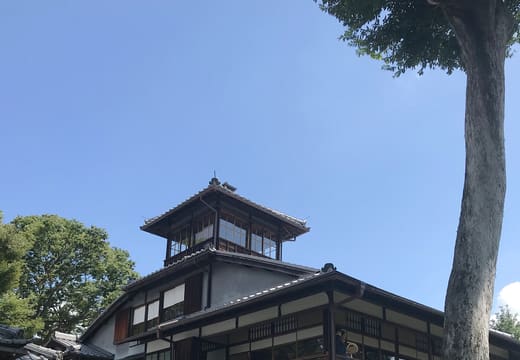
Between the delta and the forest, the Former Mitsui Family Shimogamo Villa has a main house built on Kiyamachi in 1880 and moved here, with a third-floor lookout towards the Higashiyama hills. You'll pay ¥500 on weekdays and ¥600 at weekends and on holidays. The upper floors open only for special viewings, the next from 19 November to 6 December 2026.
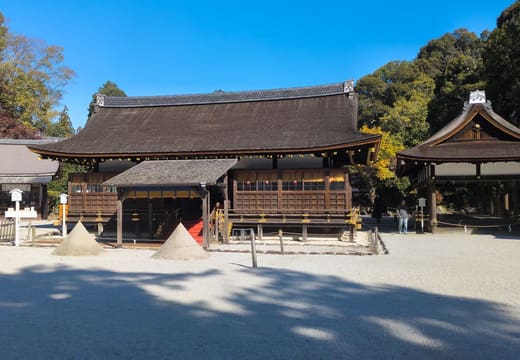
Ten minutes east of the station, Hyakumanben Chion-ji holds a handmade market on the 15th of every month, 8:00 to 16:00, except in August. Further north, take City Bus 4 from Demachiyanagi Station to Kamigamo Shrine, with its two cones of white sand, the priests' houses of Kamigamo Shake-machi along the Myojin river, and Ota Shrine, whose marsh fills with wild irises in mid-May. The Kyoto Botanical Gardens, Japan's oldest public botanical garden, open straight off Kitayama Station.
Where to eat and drink
Shimogamo Saryo has served Kyoto cuisine and tea kaiseki next to the shrine since 1856, with the Takano river running below. The weekday lunch set (¥8,800) is limited in number, and kaiseki courses run ¥22,000 to ¥33,000 plus a service charge. Dinner's cut to 17:00 to 20:00 for now, and it's closed on Tuesdays.
For something cheaper, Saruya in the shrine grounds serves saru-mochi, a rice cake the shrine revived after 140 years. Yuwado, by the shrine's west entrance, makes gelato with seasonal fruit and no eggs or colourings. Get the plain milk and cream, its bestseller since it opened in 2019. It's closed on Wednesdays. Up in Kitayama, Malebranche Kitayama has made Mont Blanc its speciality since it opened in 1982, and its salon pipes one to order.
Where to stay
Demachiyanagi isn't a hotel area. Kyoto City's register of licensed places to stay, as of the end of July 2026, lists about twenty in the blocks round the station. Nearly all are guesthouses and rented houses or flats licensed as simple lodgings, and you'll find hardly a hotel among them.
Stay here for Shimogamo Shrine at opening time or an early Eizan train north. On 22 October 2026, the night of the Kurama Fire Festival, Eizan runs a special timetable and the last train back from Kurama leaves at 23:24, so sleeping here means a short walk home. If you want bars on your doorstep, sleep near Gion-Shijo instead and ride the 7 minutes up.
How to do it in a day
Get to Shimogamo Shrine when the gates open at 6:30 and walk south through the forest to Kawai Shrine. The Former Mitsui Family Shimogamo Villa opens at 9:00 (not on Wednesdays). Have matcha by the garden, then a saru-mochi at Saruya from 10:00. Lunch is Shimogamo Saryo's weekday set from 11:30, or a Yuwado gelato if you're on a budget.
After lunch, cross Demachi Bridge to the stone at its west end that marks the end of the Saba Kaido, the old mackerel road, and walk the Demachi Masugata Shopping Street. On the 15th, go east to Hyakumanben Chion-ji for the market instead. Come back to the Kamogawa Delta for the late afternoon, then catch a film at Demachiza, ¥2,000 or ¥1,400 on Tuesdays. Check the film's page for subtitles first.
Nearby neighbourhoods
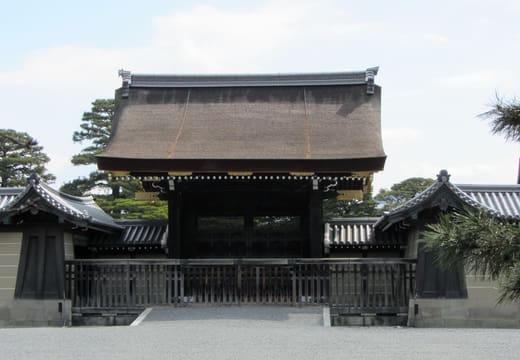 Imperial Palace Free palace walks, a park that never shuts, and the court's old shops
 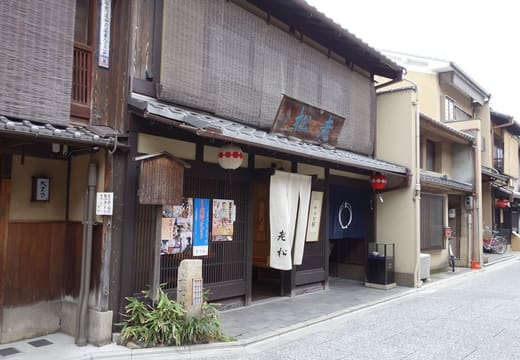 Kitano Tenjin's head shrine, Kyoto's oldest geisha district and Daitoku-ji
 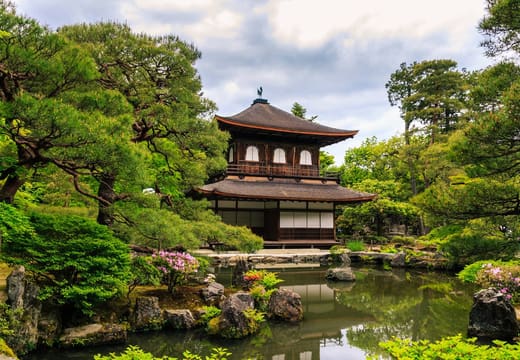 Ginkakuji Temple gardens along a canal path, under the Daimonji hill
 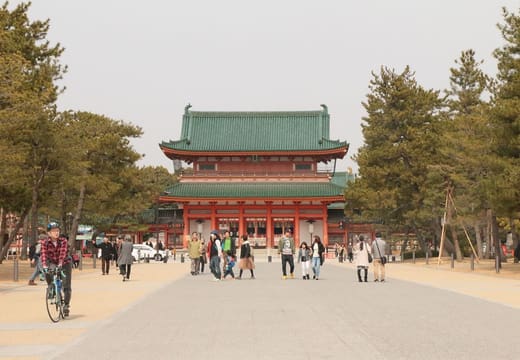 Okazaki Art museums, Meiji gardens and Nanzen-ji along the Lake Biwa Canal
 The best of Demachiyanagi
Things to do in Demachiyanagi
Stay in Demachiyanagi
Browse live availability and compare prices around the neighbourhood.
See hotels near Demachiyanagi on Booking.comPrices are for the night of Saturday 17 October. You can change the dates on Booking.com. If you book, Roam Kyoto earns a small commission from Stay22 at no extra cost to you.