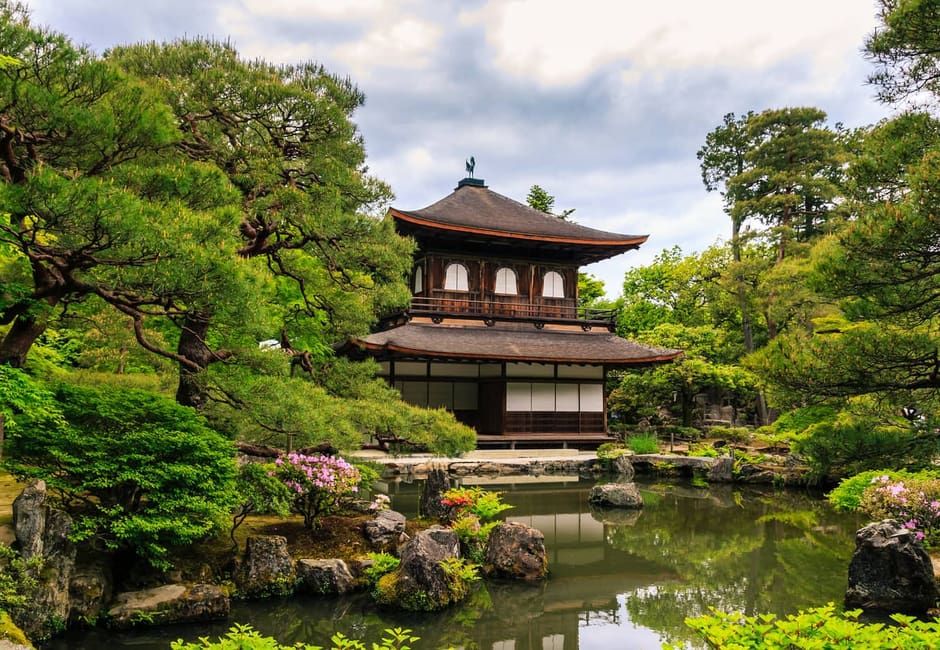
Ginkakuji
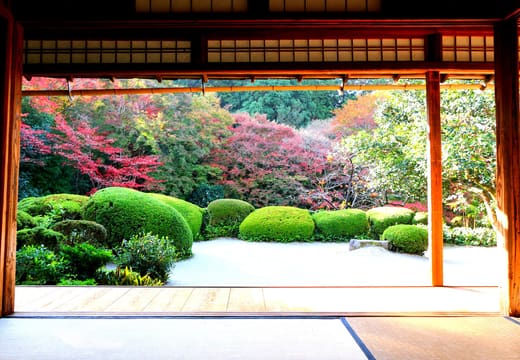
Temple gardens along a canal path, under the Daimonji hill
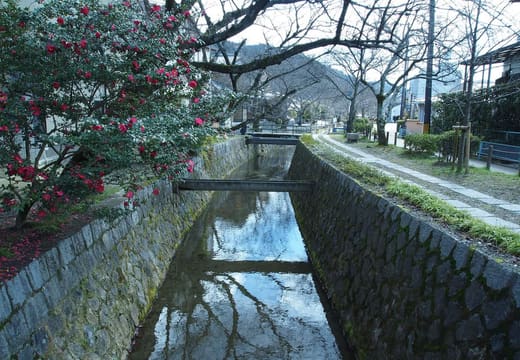
Get to Ginkaku-ji for its 8:30 opening, because the temple fills up as the day goes on. Then walk south on the Philosopher's Path, about 1.8 km of stone path beside a branch of the Lake Biwa Canal, and turn off it for the temples on either side. Honen-in's grounds open at 6:00, and you don't pay to go in.
This is the north-east corner of the city, where the canal runs along the foot of Daimonji-yama. The path's named after Kitaro Nishida, a Kyoto University philosopher who's said to have walked here deep in thought. The painter Hashimoto Kansetsu, whose home and garden are now Hakusasonso, gave 360 cherry trees for its banks in 1922.
Late November is when the most doors open. Ginkaku-ji takes groups into the Togu-do from 1 November to 5 December 2026 (in Japanese), Honen-in opens its halls and garden from 18 to 24 November, and Konkai Komyo-ji shows its tiger screens from 13 November to 6 December, while Shinnyo-do's maples usually peak. In spring you get the cherries, and Honen-in opens again from 1 to 7 April.
Getting there
From Kyoto Station, take the Karasuma subway line to Imadegawa (about 9 minutes) and City Bus 203 to Ginkakuji-michi, about 43 minutes in all. From Gion-Shijo, it's the Keihan line to Demachiyanagi and City Bus 7 or 203 (about 29 minutes), or start at Keage Station on the Tozai Line, about 15 minutes' walk from the path's south end.
What to see
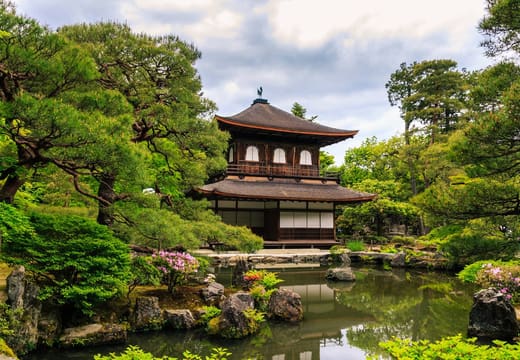
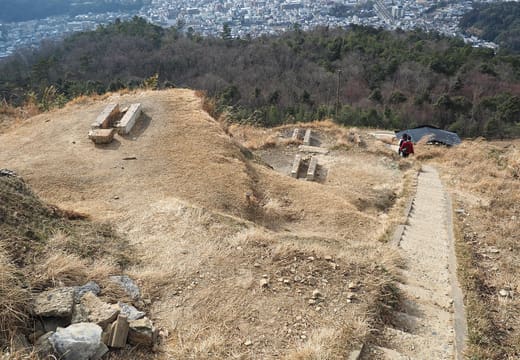
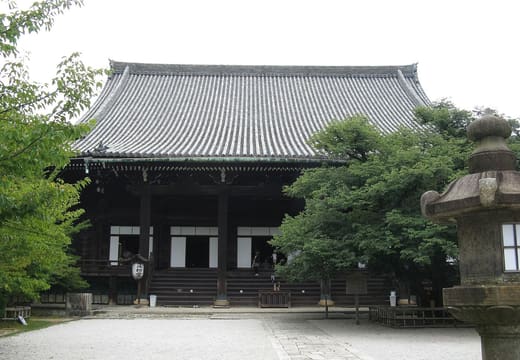
Ashikaga Yoshimasa, the eighth Muromachi shogun, began a mountain villa here in 1482, and after he died in 1490 it became the Zen temple Jisho-ji. Ginkaku-ji keeps the Silver Pavilion (properly the Kannon-den), and in front of the main hall the Ginshadan, a stepped bed of white sand patterned like ripples, sits beside the flat-topped sand cone of the Kogetsudai. The hillside lookout gives you a view over the city, but it's all steps.
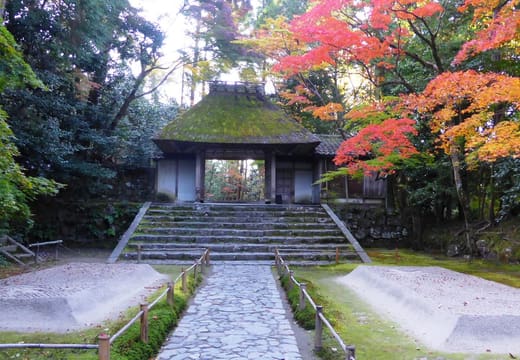
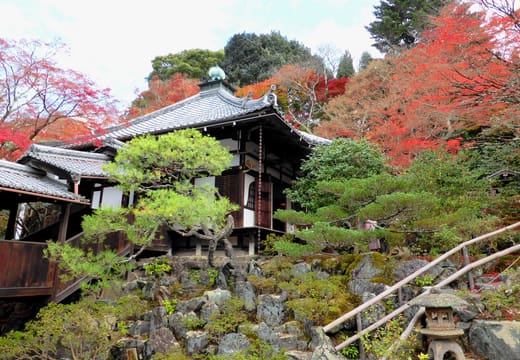
Then walk south along the canal. Honen-in is a short climb east of the Philosopher's Path, where Honen kept a hermitage, and the patterns in the sand mounds inside its gate change with the seasons. Further south, Reikan-ji grows more than 100 kinds of camellia but only opens for special viewings (20 March to 12 April in 2026). Back at the north end, Hakusasonso's pond garden is a national Place of Scenic Beauty (¥1,300 with the museum).
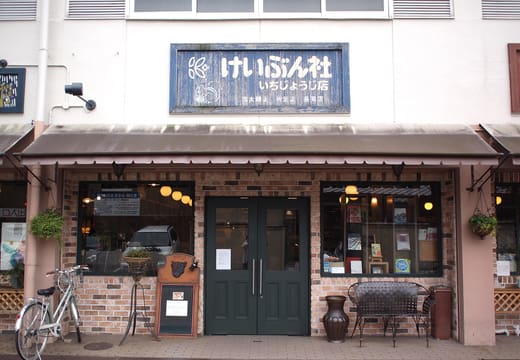
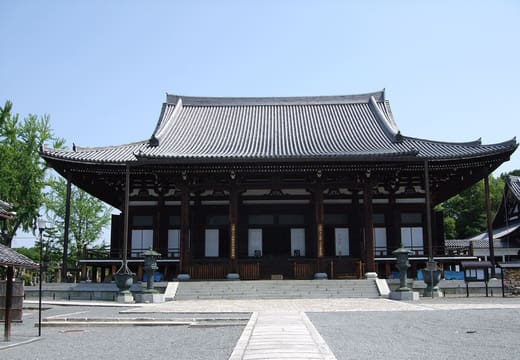
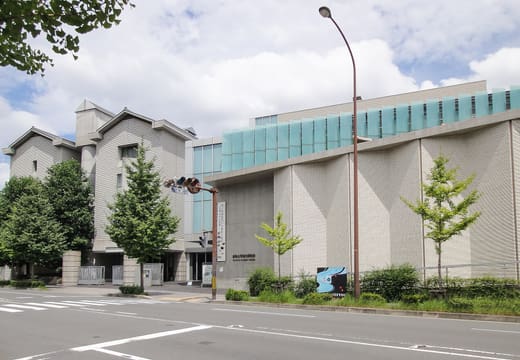
West of the canal, Shinnyo-do has a three-storey pagoda from 1817 and a stone garden of the dying Buddha. Konkai Komyo-ji, a few minutes south, was the Aizu lord's Kyoto headquarters from 1862, and around the equinoxes you can watch the sun set behind Mount Ogura from its graves. Yoshida Shrine draws about 500,000 people at Setsubun. If it rains, there's Kyoto University Museum (¥400, closed Mondays and Tuesdays), and Shisen-do and Keibunsha Ichijoji are about 2 km north, in Ichijoji.
Where to eat and drink
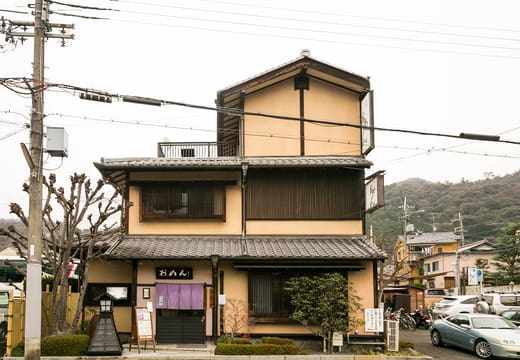
Omen Ginkakuji opened near Ginkaku-ji in 1967, serving a dish from Isesaki in Gunma. You dip the udon in kombu and bonito broth and add as much as you like of the condiments, kinpira burdock and sesame among them. It's ¥1,520, or ¥1,780 for the gluten-free rice noodles. Book by phone (it doesn't take email bookings), and check its calendar before a Thursday.
Most temples and museums here close by 17:00, and Omen only does dinner from Friday to Sunday and on holidays (17:00 to 20:30). After dark, ride City Bus 5 north to Tenka Ippin Sohonten, the ramen chain's head shop, open until 1:00. Its founder started in 1971 with a street cart near Ginkaku-ji that sold just 11 bowls a day at first.
Where to stay
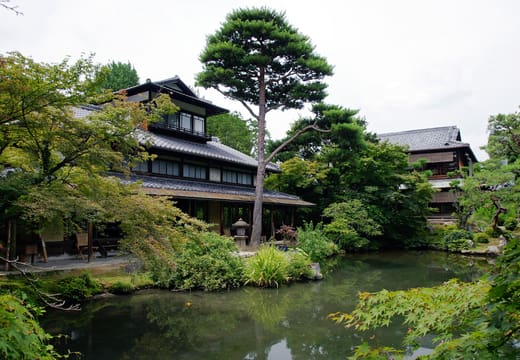
Lodging here runs small. Kyoto City's register of licensed lodgings (end of July 2026) lists 25 in Jodoji, Shishigatani, Yoshida and Kitashirakawa, and all but four hold the simple-lodging licence that guesthouses and house rentals use. Ryokan Yoshida-Sanso, a villa built in 1932 for Prince Higashi-Fushimi at the foot of Yoshida-yama, has been an inn since 1948 and serves kaiseki.
Stay here if you want Ginkaku-ji at opening without a bus ride first, or if you've seen the centre on an earlier trip. The catch is getting around. There's no station at Ginkaku-ji, Kyoto Station is about 43 minutes away, and the evenings are quiet, so if you want to walk home from Gion, sleep downtown. Book well ahead for the cherry and maple seasons.
How to do it in a day
Be at Ginkaku-ji for 8:30 (9:00 from December to February) and see the sand garden before you climb to the lookout. During the autumn tours, put your name down for the Togu-do at the main hall about an hour before the one you want. Walk down to Hakusasonso when it opens at 10:00, then have lunch at Omen Ginkakuji.
Afterwards, walk the Philosopher's Path south and climb to Honen-in. Cut west to Shinnyo-do before its 15:45 last entry, and get to Konkai Komyo-ji for the late afternoon. From 13 November to 6 December 2026, you can stay for its light-up (17:30 to 20:30). Then take City Bus 5 north for a late bowl at Tenka Ippin Sohonten.
Nearby neighbourhoods
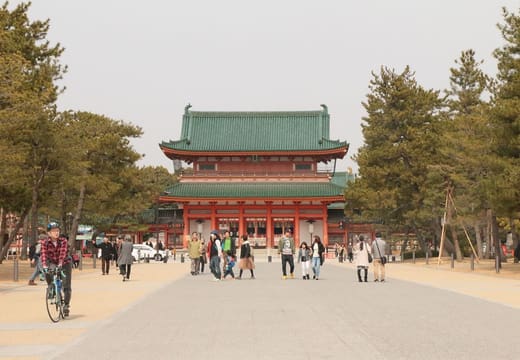 Okazaki Art museums, Meiji gardens and Nanzen-ji along the Lake Biwa Canal
 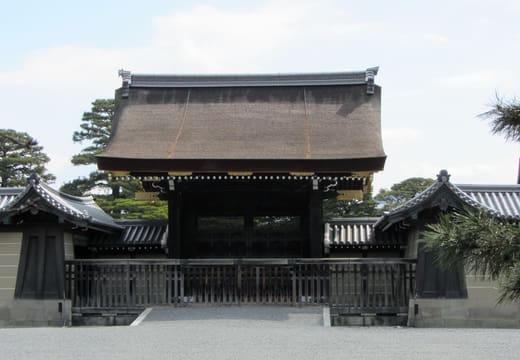 Imperial Palace Free palace walks, a park that never shuts, and the court's old shops
 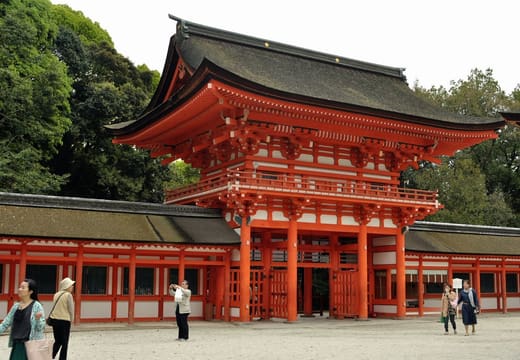 Demachiyanagi Stepping stones, a shrine forest and the trains to Kurama
 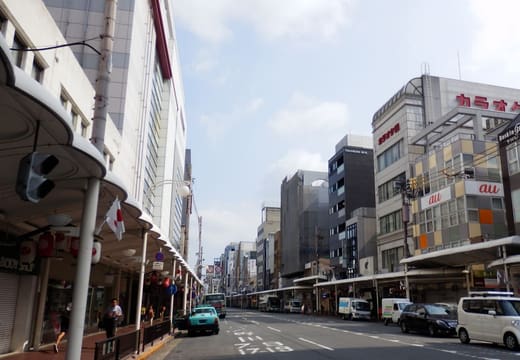 Kawaramachi Downtown Kyoto, between Nishiki Market and the Kamo River
 The best of Ginkakuji
Things to do in Ginkakuji
Stay in Ginkakuji
Browse live availability and compare prices around the neighbourhood.
See hotels near Ginkakuji on Booking.comPrices are for the night of Saturday 17 October. You can change the dates on Booking.com. If you book, Roam Kyoto earns a small commission from Stay22 at no extra cost to you.