Kitano
Tenjin's head shrine, Kyoto's oldest geisha district and Daitoku-ji
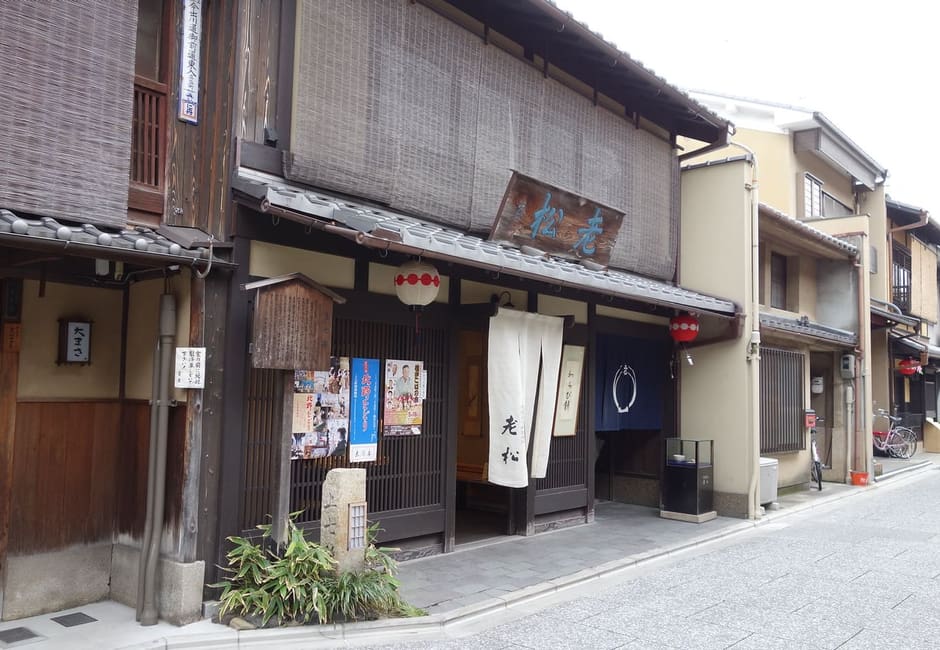
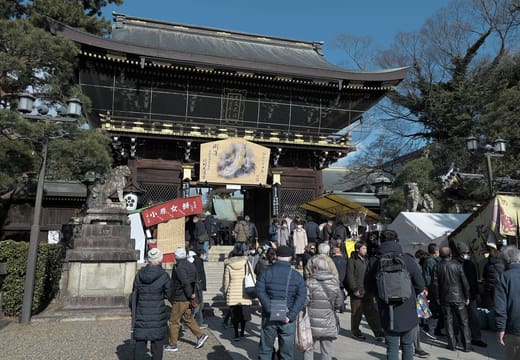
Start at Kitano Tenmangu, head shrine of about 12,000 Tenjin shrines, founded in 947 for Sugawara no Michizane, the scholar students still pray to before exams. Come on the 25th, when the Tenjin-san Market fills the approach and the lanterns are lit after dark. Kamishichiken, Kyoto's oldest geisha district, lines the shrine's east approach, and Daitoku-ji's Zen temples are about 1.7 km north-east.
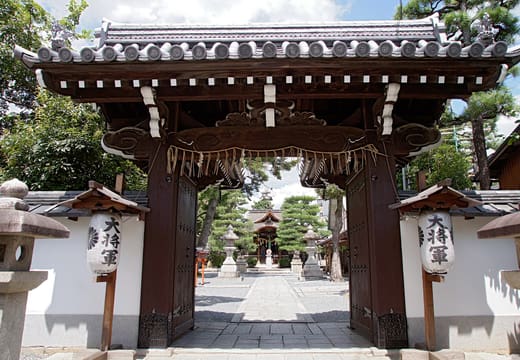
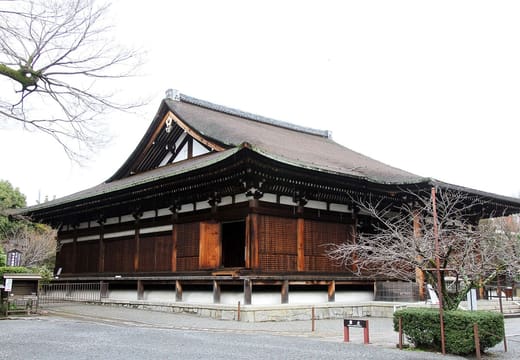
It's old ground. Daishogun Hachi Shrine was set up in 794 to guard the palace's north-west corner, and Heian-kyo was laid out with Funaokayama as its northern reference point. Senbon Enma-do stands at the head of the old Suzaku-oji avenue, where the dead were once carried out of the city, and Senbon Shakado's main hall of 1227 is the oldest building in central Kyoto.
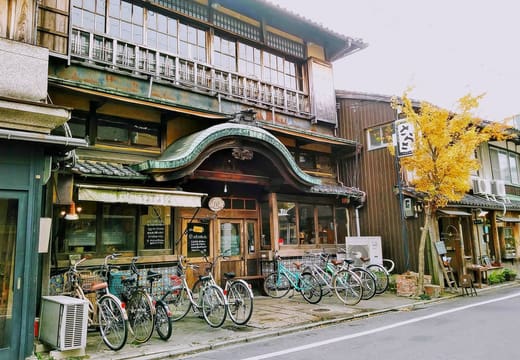
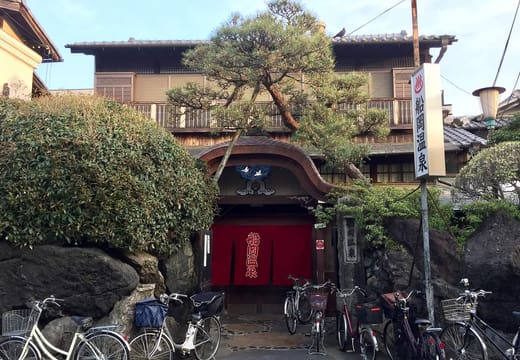
East toward Horikawa-dori you're in the weaving streets of Nishijin, where Dorato sells honey from a weavers' row house about 140 years old. Most sights shut by 17:00, which leaves you Shinme, open until 21:30, or a beer at Sarasa Nishijin, a cafe in a bathhouse that closed in 1999.
Getting there
City Bus 50 runs from Kyoto Station to Kitano Tenmangu-mae in about 35 minutes, and Randen's Kitano-Hakubaicho Station is a 5-minute walk from the shrine. For Daitoku-ji, take the Karasuma Line to Kitaoji, then City Bus 1, 101, 204 or 205 to Daitokuji-mae.
What to see
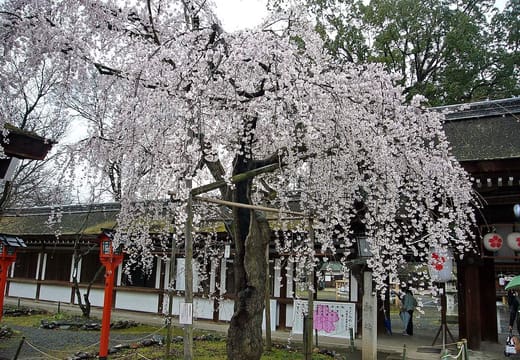
Toyotomi Hideyori built Kitano Tenmangu's main hall in 1607, and it's a National Treasure. About 1,500 plum trees flower from January to late March, and the plum garden charges entry. On the 25th you'll find plants, antiques and used clothes at the Tenjin-san Market, and about 1,000 stalls in January and December. Kamishichiken's geiko and maiko dance at the Kitano Odori each spring, and their autumn Kotobukikai recital runs 12 to 18 November 2026 (¥10,000). Hirano Shrine, 300 m north-west, has about 400 cherry trees of some 60 varieties, in flower for about six weeks from mid-March.
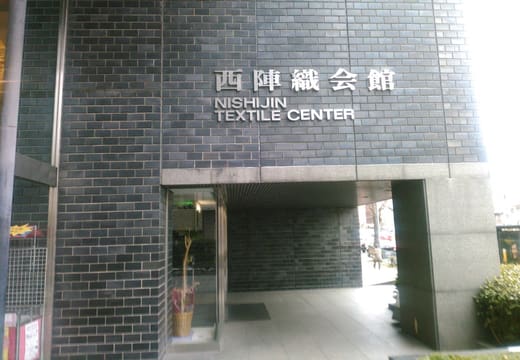
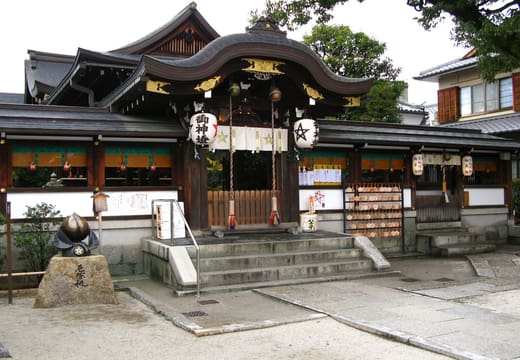
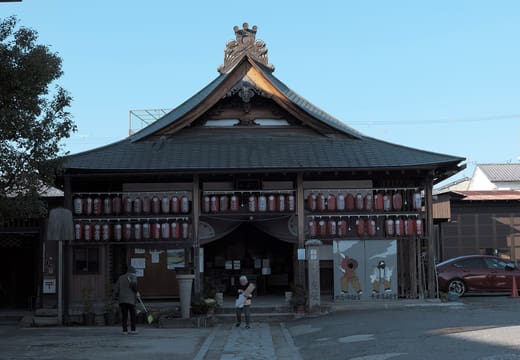
Daishogun Hachi Shrine, a few minutes south, shows its 80 wooden statues of the star god Daishogun on 1 to 5 May and 1 to 5 November (¥500). Senbon Shakado's treasure hall holds Kaikei's Ten Great Disciples, and you'll need to be in by 16:00. Senbon Enma-do unveils its 2.4 m Enma on the 16th of every month, and the walls round Kuginuki Jizo's hall, about 250 m south, are covered in plaques of nails and pincers. On Horikawa-dori, Seimei Shrine hangs a five-pointed star on its torii, and you can weave a table runner at the Nishijin Textile Center for ¥2,750 if you book.
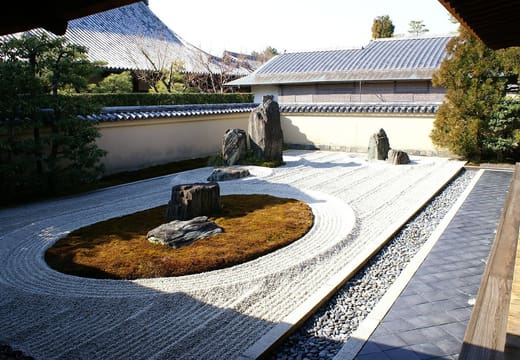
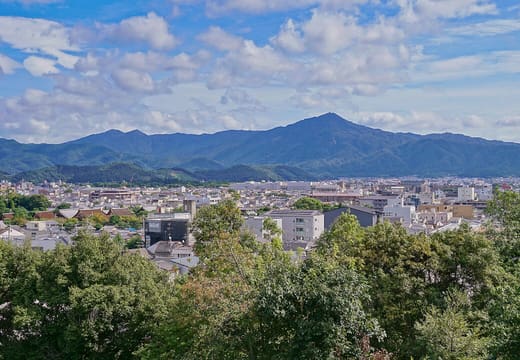
Climb Funaokayama for Kenkun Shrine, founded in 1869 for Oda Nobunaga, and a view of Mount Hiei. Imamiya Shrine holds its Yasurai Matsuri on the second Sunday of April. At Daitoku-ji, founded in 1315, Sen no Rikyu added the upper storey of the Sanmon gate in 1589. Daisen-in opens every day, but Korin-in and Soken-in open only for spring and autumn showings, and Koto-in is closed through 2026.
Where to eat and drink
Lunch by the shrine means tofu. Toyouke-jaya, the counter of a tofu maker in Kitano since 1897, faces Kitano Tenmangu across Imadegawa-dori and serves yudofu and the Toyouke-don, tofu on rice, from 11:00 to 14:30. It's closed on Thursdays and Fridays unless the day's the 25th or a holiday. Oimatsu Kitano makes sweets for the tea ceremony, and Senbon Tamajuken's tearoom serves its own with matcha, Friday to Monday from 12:00 to 16:00.
Outside Imamiya Shrine's east gate, Ichiwa toasts aburi-mochi over charcoal for ¥600 a serving, and Kazariya across the path sells the same. Both close on Wednesdays. For Daitoku-ji's vegetarian shojin ryori, you'll need to book Daitokuji Ikkyu, where the fuchidaka box is ¥6,050. Sarasa Nishijin keeps the bathhouse's majolica tiles and serves breakfast from 7:00 at weekends. Shinme's menu changes daily with the fish, ayu and hamo in summer and matsuba crab in winter.
Where to stay
Lodging here runs small. Kyoto City's register of licensed lodgings (end of July 2026) lists about 70 within a kilometre of Kitano Tenmangu, and all but one hold the simple-lodging licence that guesthouses, hostels and house rentals use.
Stay here if you want the shrine at 7:00, when the gates open, or the 25th's lanterns without a late bus. The catch is the bus. Kyoto Station is about 35 minutes away on the 50, and Imadegawa subway station 15 minutes on the 51 or 203. If you'd rather walk home from Gion, stay downtown.
How to do it in a day
Pick a Monday, Tuesday, Friday or Saturday to miss most closing days, and the 25th if it falls on one. Be at Kitano Tenmangu for 7:00, walk up to Hirano Shrine, and be at Awamochi Sawaya when it opens at 9:00. Go through Kamishichiken to Senbon Shakado, then up Senbon-dori past Kuginuki Jizo to Senbon Enma-do. Lunch is Sarasa Nishijin, from 11:30.
Then climb Funaokayama and cross to Imamiya Shrine for aburi-mochi at Ichiwa. Daitoku-ji is about 500 m south-east, and Daisen-in closes at 16:30. City Bus 206 stops at Daitokuji-mae and at Senbon-Nakadachiuri, the stop for Shinme, which opens at 17:00. On the 25th, go back to Kitano Tenmangu for the lanterns instead.
Nearby neighbourhoods
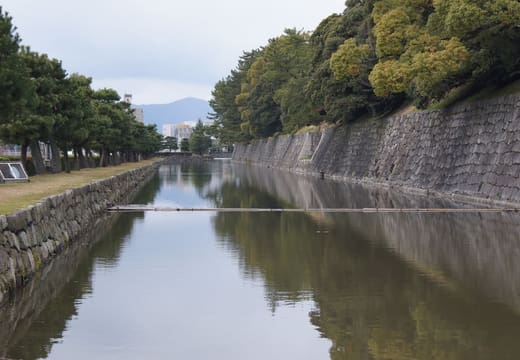
The best of Kitano
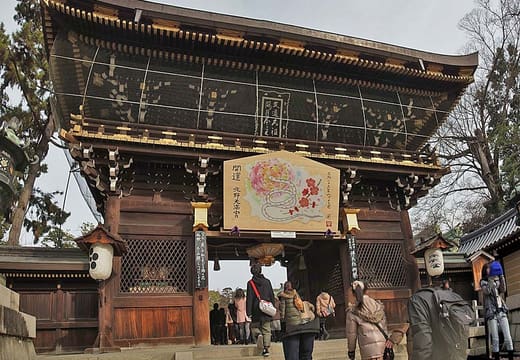
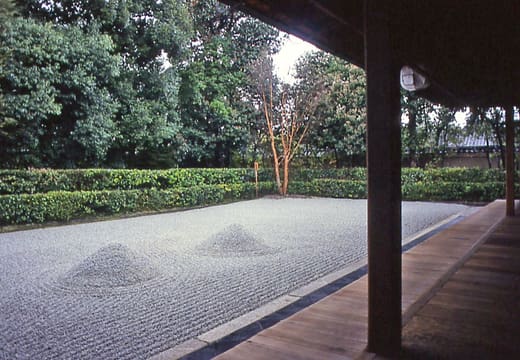
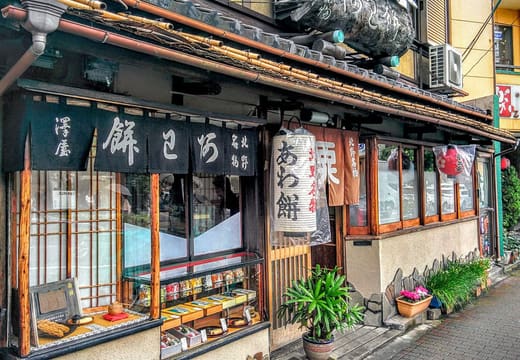
Things to do in Kitano
Stay in Kitano
Browse live availability and compare prices around the neighbourhood.
See hotels near Kitano on Booking.comPrices are for the night of Saturday 17 October. You can change the dates on Booking.com. If you book, Roam Kyoto earns a small commission from Stay22 at no extra cost to you.