28 Things to Do in Kyoto, Timed to Beat the Crowds
The best things to do in Kyoto: Fushimi Inari at dawn, Kiyomizu-dera at 6am, Nishiki Market, the monthly markets, sento and festivals, with prices.
Kyoto’s famous sights deserve their fame, and the crowds build as the day goes on. The fix is mostly timing. Fushimi Inari never closes, Kiyomizu-dera opens at 6:00, and for most of the year Ryoan-ji opens an hour before Kinkaku-ji, so most of this list comes with a time attached.
Every place below is on the Kyoto map, where you can filter by category, save places and see what’s close to you.
The big sights, at the right hour
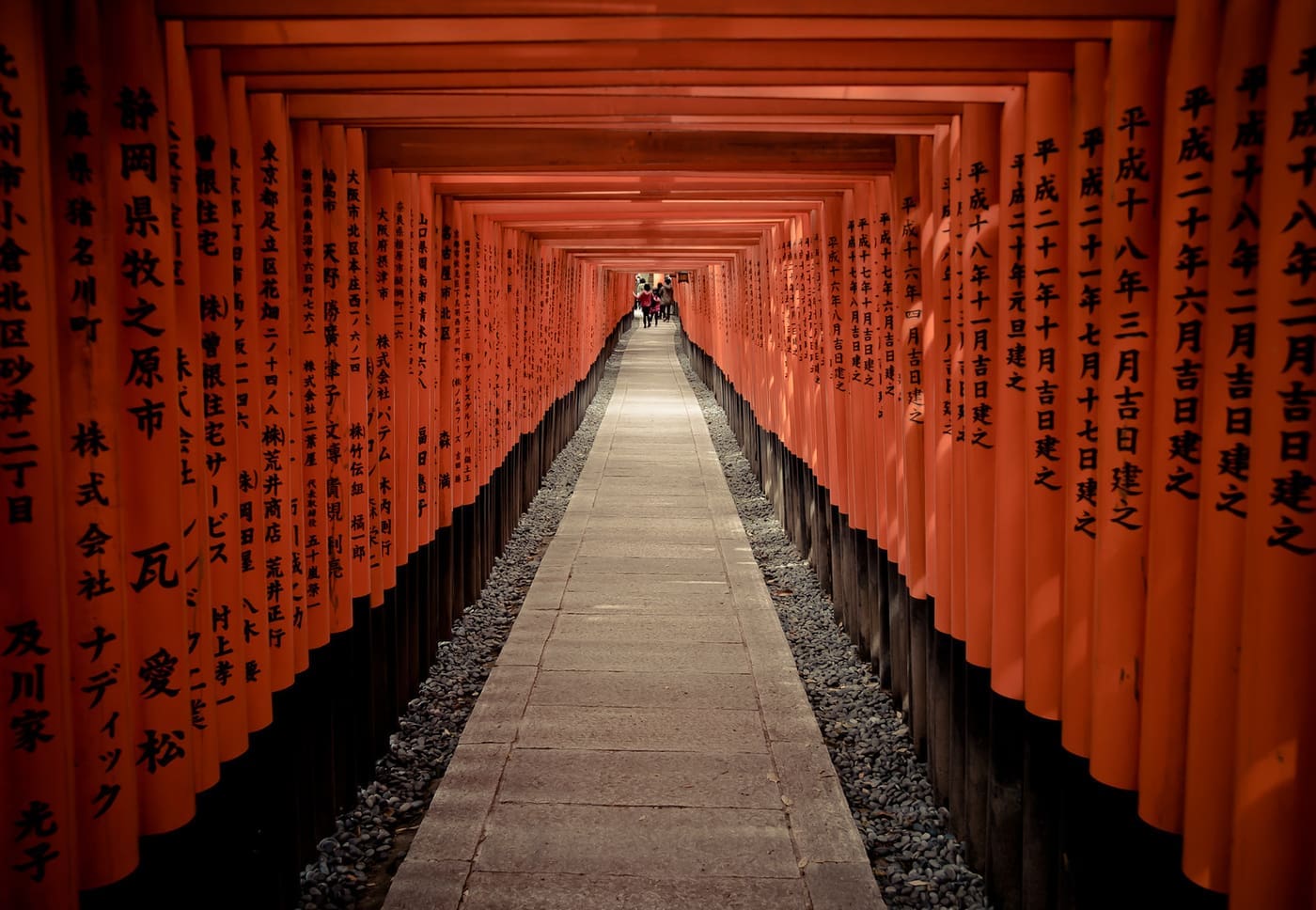
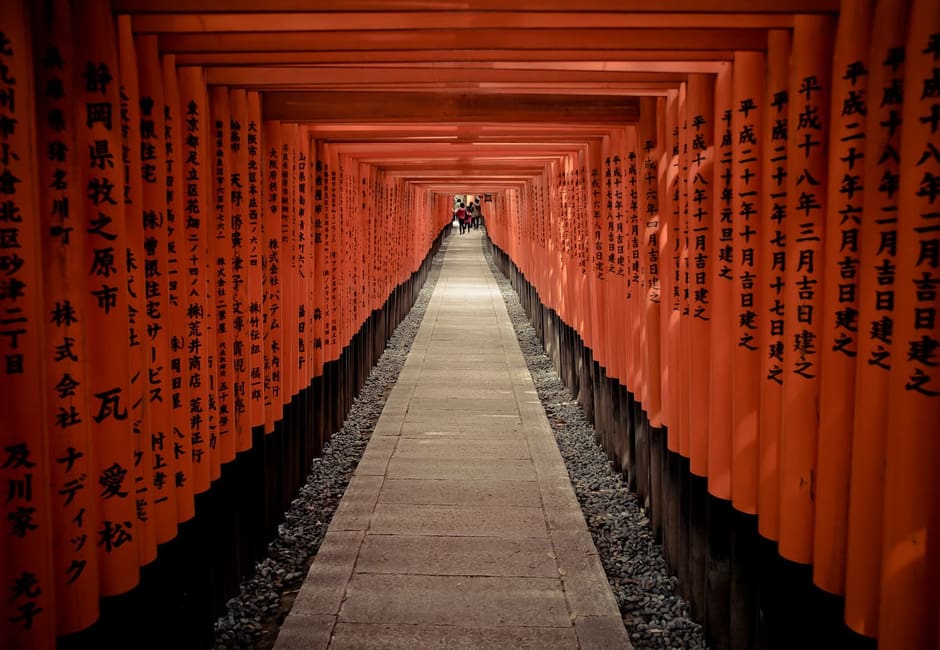
1. Fushimi Inari Taisha at dawn or after dark. About 10,000 torii line the paths up 233 m Mount Inari. The grounds never close and entry’s free, so you can walk the tunnels at first light or after dark. Give it about two hours. The JR Nara Line gets you from Kyoto Station to Inari in about 9 minutes, and you’ll come out by the shrine’s big red torii.
2. Kiyomizu-dera at 6:00. Get there when the gates open and you’ll be on the wooden stage long before the day’s crowds. It’s about 13 metres high on eighteen zelkova pillars, and the joints don’t use a single nail. City Bus 100 or 206 to Gojozaka leaves you a 10-minute walk away. Afterwards, walk down Sannenzaka and Ninenzaka, stone-stepped lanes of late Edo and Taisho townhouses near the Yasaka Pagoda. The Higashiyama guide has more.
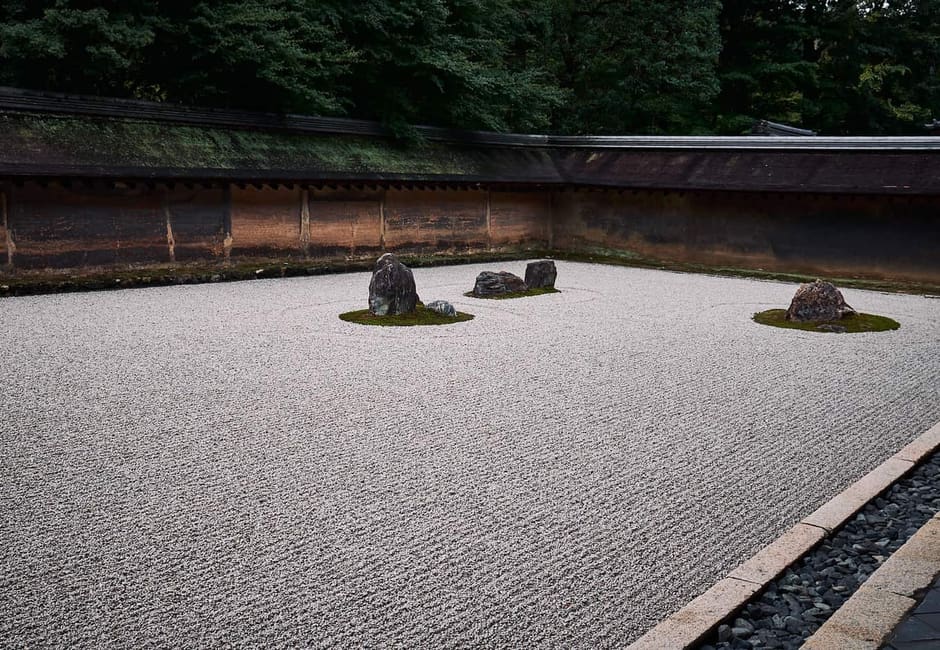
3. Ryoan-ji first, then Kinkaku-ji. Ryoan-ji opens at 8:00 from March to November, an hour before the Golden Pavilion, so do them in that order. Its rock garden is 15 stones in 248 square metres of white sand, and nobody knows what its maker meant (¥600). Kinkaku-ji costs ¥500 and takes about 45 minutes. There aren’t any lockers, so leave big bags at the station. The Kinkakuji guide adds Ninna-ji, on the same road.
4. Arashiyama, as early as you can manage. The bamboo path runs about 400 m past Tenryu-ji’s north gate, and it’s free. Kyoto City streams a live camera of it, so you can check the crowds before you leave. Tenryu-ji opens at 8:30, and Muso Soseki’s pond garden borrows the Arashiyama hills as its backdrop (¥500). Leave by the north gate and you’re on the bamboo path. JR Sagano Line rapids reach Saga-Arashiyama in about 11 minutes.
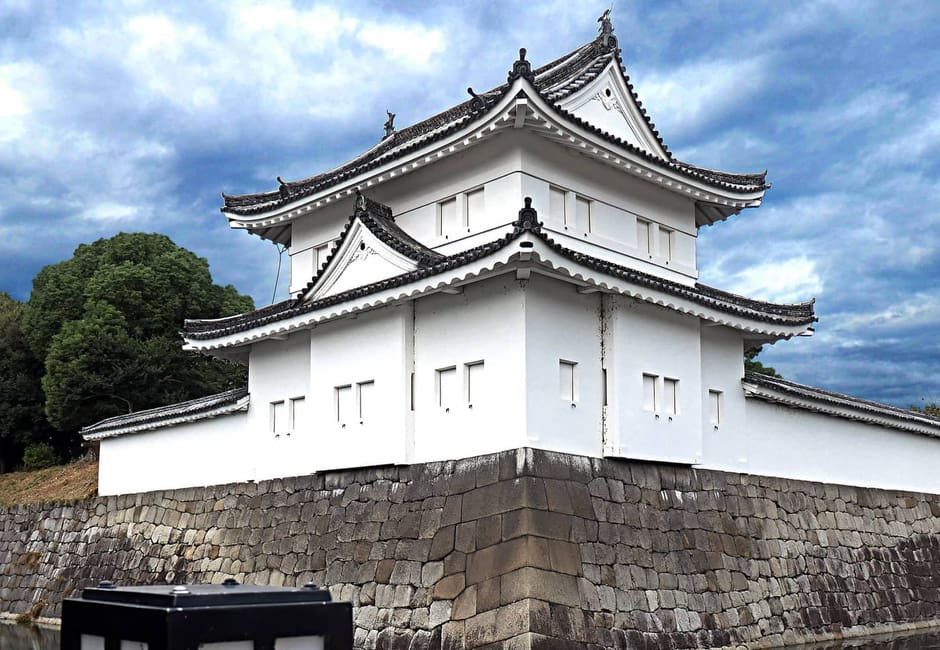
5. Nijo Castle. Tokugawa Ieyasu built it in 1603, and its Ninomaru Palace is the only palace complex still standing inside a Japanese castle. Entry’s ¥800, or ¥1,300 with the palace, from 8:45 (last entry 16:00). The palace closes on Tuesdays in January, July, August and December. Show a subway one-day pass at the ticket office and entry drops to ¥700.
6. Gion, early and again at dusk. Yasaka Shrine’s grounds never close, and Chion-in, just beyond Maruyama Park, opens its grounds free at 6:00. Come back at dusk for Hanamikoji-dori and the canal at Gion Shirakawa. Don’t stop, touch, follow or photograph a geiko or maiko without asking. The district’s own rules say so. And stay out of anything that isn’t a shop or the road.
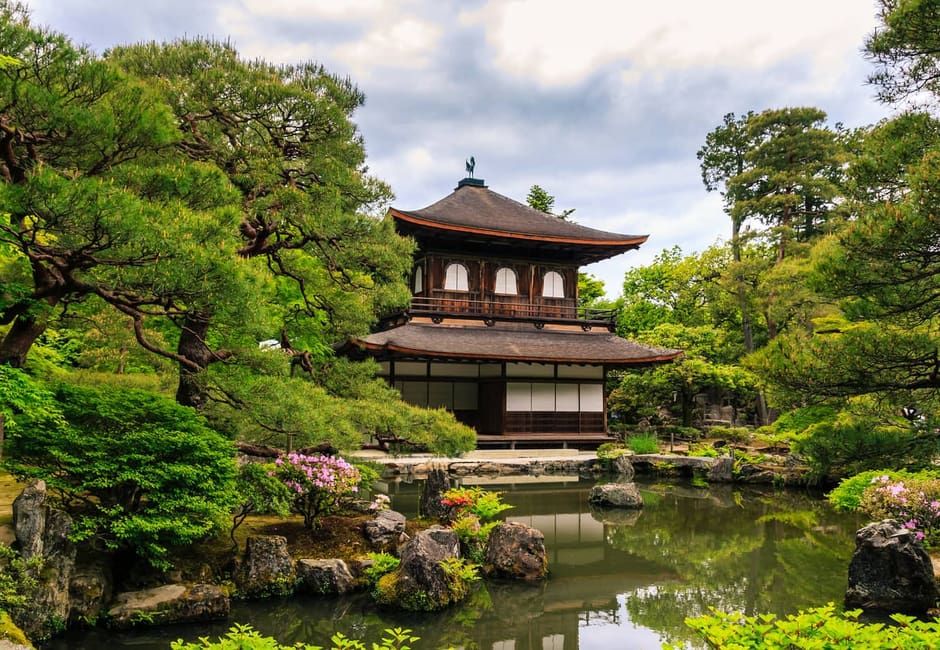
7. Ginkaku-ji and the Philosopher’s Path. Ginkaku-ji opens at 8:30 (9:00 from December to February) and has cost ¥1,000 since April 2026. Then walk south on the path, about 1.8 km of stone beside a branch of the Lake Biwa Canal, roughly 30 minutes at an easy pace. Turn off for Honen-in, free from 6:00, where you walk in between two mounds of white sand.
8. Sanjusangendo. A hall 120 metres long holds 1,001 statues of Kannon, every one a National Treasure. Entry’s ¥600 and your shoes come off at the door. The Kyoto National Museum shares the bus stop, but check what’s on first.
Off the main circuit
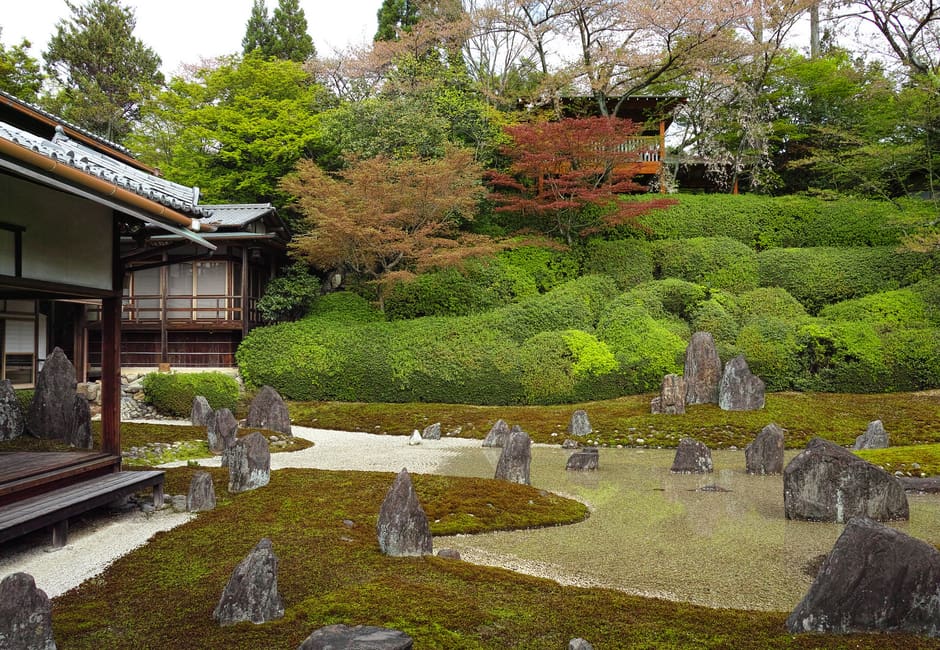
9. Komyo-in, then Tofuku-ji. Komyo-in opens at about 7:00, before its parent temple, and its 1939 garden of moss, sand and standing stones by Shigemori Mirei costs ¥500. Tofuku-ji’s grounds are free, and the covered Tsutenkyo bridge over a valley of maples is ¥600. Tofukuji Station is on the same JR Nara Line as Inari, so pair the two.
10. Daitoku-ji’s Daisen-in. It’s open every day for ¥500, and its dry garden turns a waterfall, a river and the open sea into standing rocks and white sand. Book lunch at Daitokuji Ikkyu, which has cooked the temple’s vegetarian shojin ryori since the late 1400s (the fuchidaka box is ¥6,050).
11. Myoshin-ji, open day and night. Local roads run through the grounds, so you can wander between more than 40 subtemples at any hour. Hatto tickets, for Kano Tan’yu’s ceiling dragon, cost ¥500 and are sold until 15:30, but there are no visits at all from 19 to 22 October 2026. In the same neighbourhood, walk the veranda at Toji-in slowly and you’ll hear its nightingale floor squeak.
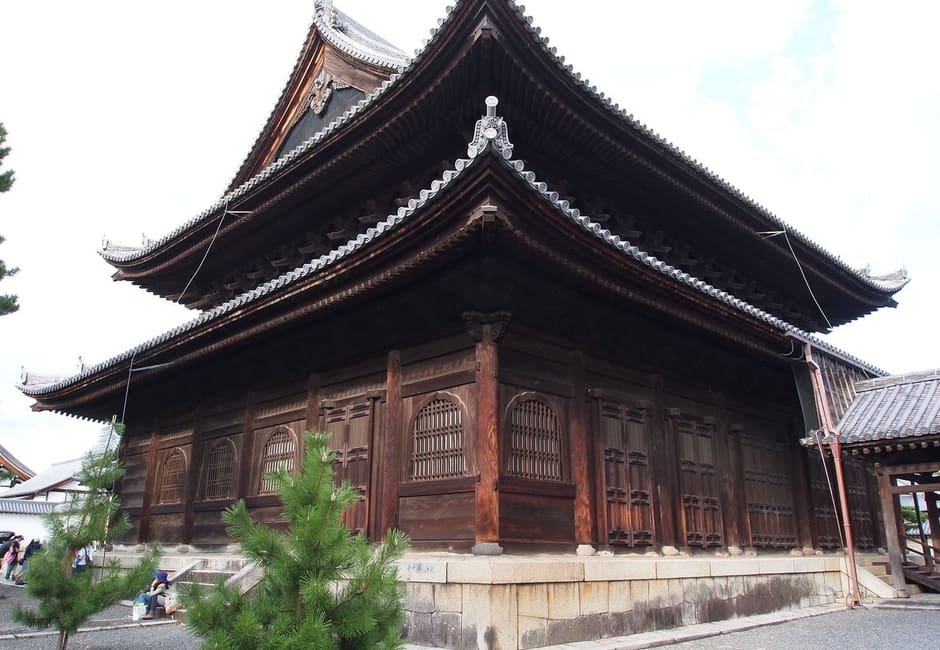
12. The shrine forests in the north. Start at the Kamogawa Delta, with its stepping stones shaped like turtles and birds, right outside Demachiyanagi Station. Walk north from its tip into Tadasu no Mori, the 12.4-hectare forest round Shimogamo Shrine, whose grounds open free at 6:30. Kamigamo Shrine opens its grounds at 5:30, also free.
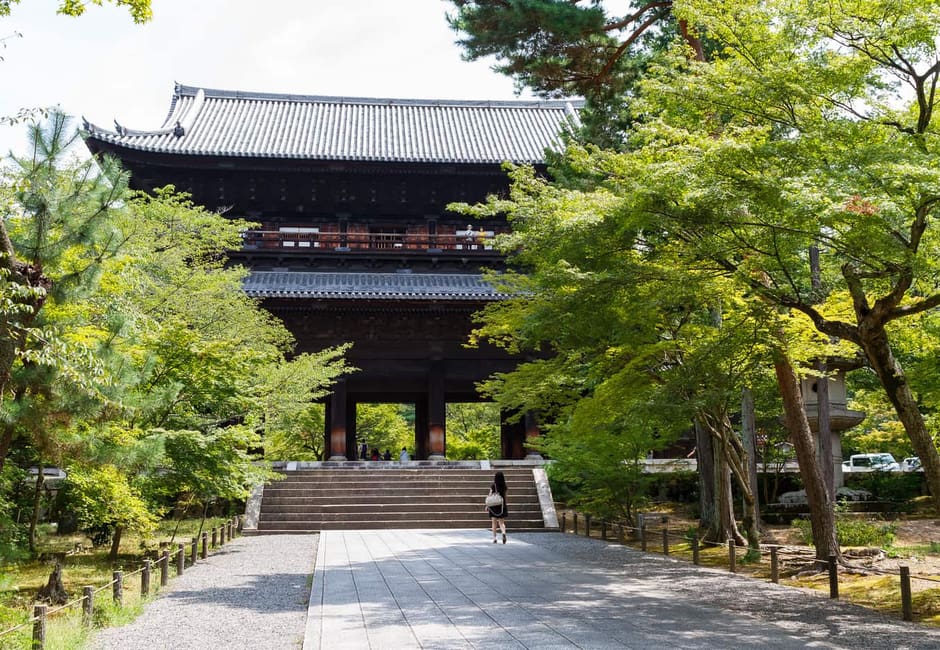
13. Okazaki and the canal. Nanzen-ji’s 22 m Sanmon has a balcony you can climb (¥600), and a red-brick aqueduct carries the Lake Biwa Canal past the temple. Walk the rails of the Keage Incline, 582 m of old boat railway, for free. Murin-an lets in 15 people at a time on hourly slots you book online.
14. Mibu and the Sanjo-kai arcade. The Shinsengumi trained at Mibu-dera in the 1860s, and across the road Yagi House still has sword cuts from 1863 in its back room (¥1,100 with matcha). Walk north to Sanjo-kai Shopping Street, an arcade about 800 m long with a butcher, greengrocers and bakeries. Daniel lived in Kyoto for a while near Shijo-Omiya station, about ten minutes on foot from Mibu-dera.
Markets and food streets
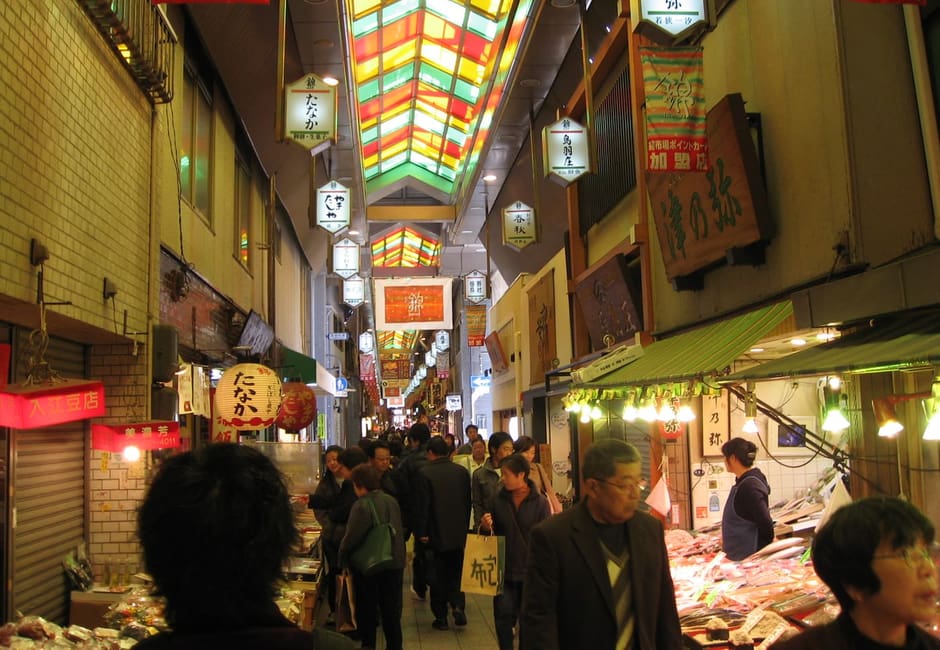
15. Nishiki Market. It’s a 390 m covered lane of food shops that’s been trading for about 400 years. Look for Kyoto vegetables, Lake Biwa river fish, yuba and fresh fu. Don’t eat while you walk. The market asks you to eat in front of the shop you bought from, and many shops close on Wednesdays.
16. To-ji on the 21st. Nearly 1,000 stalls fill the grounds for the Kobo-ichi Market. They set up from 5:00, nearly all are trading by 8:00, and packing up starts around 16:00, earlier if it rains. To-ji is all that still stands of Heian-kyo, the capital founded in 794, and its pagoda, about 55 m tall, was rebuilt in 1644.
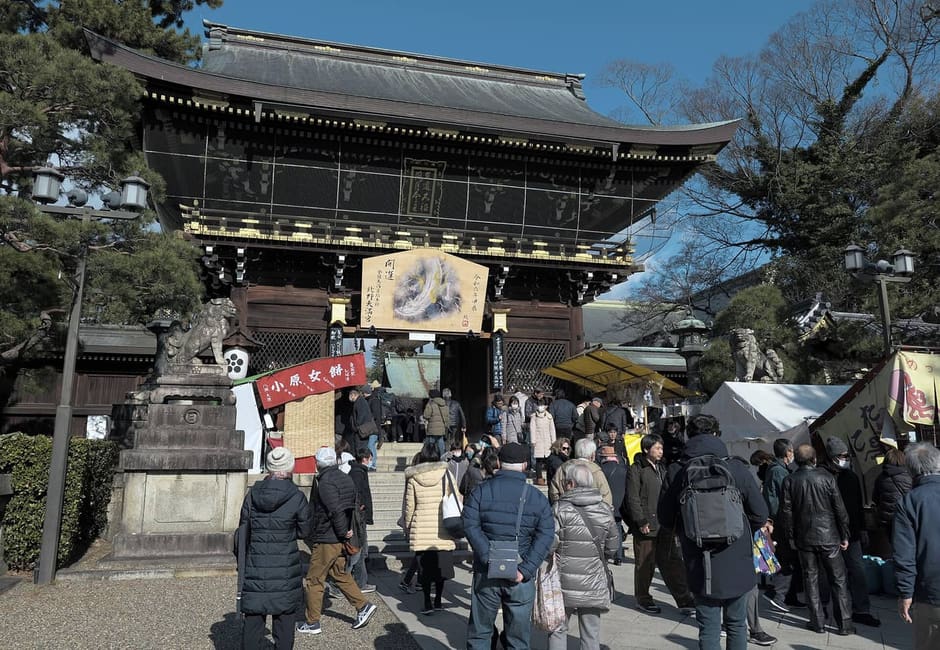
17. Kitano Tenmangu on the 25th. The Tenjin-san Market fills the approach all day, and after dark the shrine lights 350 stone and 250 hanging lanterns. Awamochi Sawaya has made millet cakes by the shrine since 1682, and yours will likely still be warm. City Bus 50 takes about 35 minutes from Kyoto Station. The Kitano guide covers Kamishichiken, Kyoto’s oldest geisha district.
18. Sake in Fushimi. About 20 breweries still work in the Fushimi Sake District. The Gekkeikan Okura Sake Museum is ¥600 if you’re 20 or over, card or phone only, and ends at a tasting counter. At Fushimi Sakagura Koji a counter over 23 m long pours more than 120 sakes from 18 breweries. Take the Kintetsu Kyoto Line to Momoyama-Goryomae, about 10 minutes, but limited expresses don’t stop there.
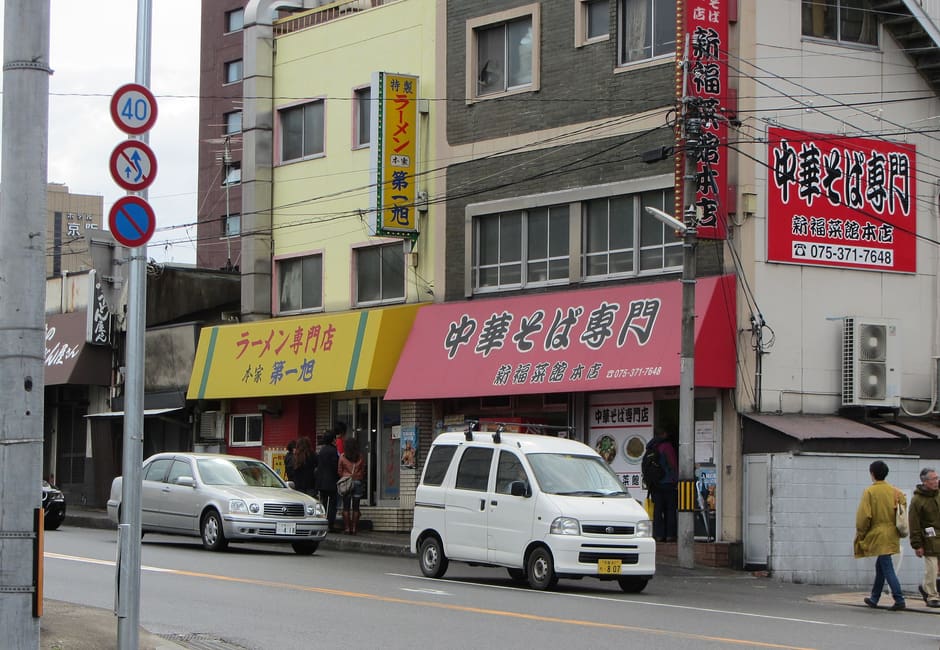
19. Ramen by the station. Honke Daiichi Asahi opens at 6:00 and shuts at 1:00 (closed Thursdays, ¥980 a bowl). Nearby, Shinpuku Saikan has a soy broth so dark it surprises first-timers, cash only. Kyoto Ramen Koji puts ten shops on the station’s 10th floor.
20. Breakfast in an old coffee house. Inoda Coffee opens at 7:00 and serves its Kyoto Breakfast until 11:00 (¥1,890), with the coffee’s milk and sugar already in. Smart Coffee on Teramachi opened in 1932 and does hotcakes from 8:00. The where to eat guide covers lunch and dinner.
Baths
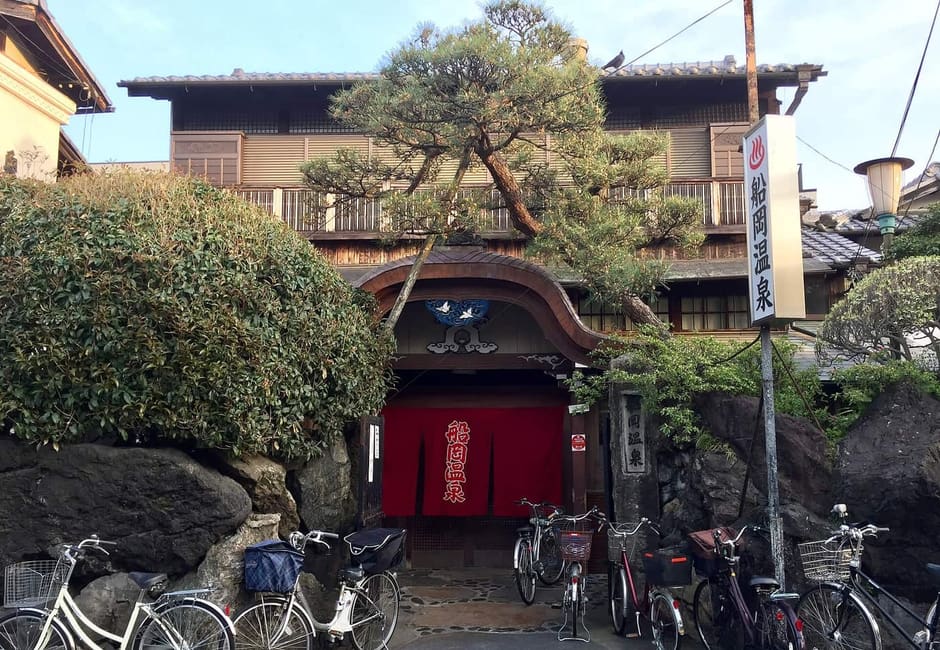
21. A sento or a hot spring. Entry at Kyoto’s member sento is ¥550. Funaoka Onsen has wood carvings in its 1923 changing room and an open-air bath, and opens at 8:00 on Sundays. Sauna no Umeyu, 15 minutes’ walk from Kyoto Station, runs from 6:00 to 2:00 (closed Thursdays). Kyoto Tamanoyu, open since 1894, says plainly on its own site that you can bathe with tattoos. In Arashiyama, Tenzan no Yu has an iron-rich spring that turns brown in the air (¥1,200 on weekdays), but you can’t go in with a tattoo. Find them all on the map under baths.
Evenings
22. Pontocho and the Kamo River. Pontocho is a lane about 500 m long between the river and the Takase canal. From 1 May to 15 October, restaurants on the west bank build noryo-yuka dining platforms out on the riverbank, though each sets its own season. Or sit on the bank between the Sanjo and Shijo bridges.
23. A show. Gion Corner puts seven traditional arts on one stage in about 50 minutes, at 18:00 and 19:00, for ¥5,500 (Tuesday to Friday only from 1 December to 11 March). Minamiza stages kabuki from 1 to 24 December in 2026.
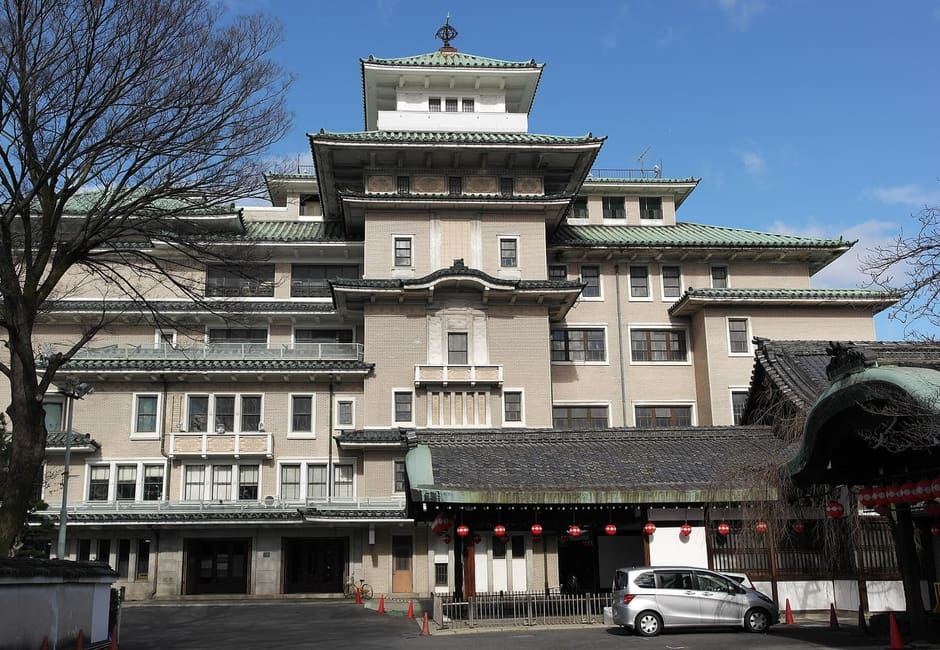
24. A small bar. Sake Bar Yoramu has eight or nine seats and pours sake by the 60 ml glass, Wednesday to Saturday from 18:00. Shinme, on Senbon-dori since 1934, is said to be Kyoto’s oldest izakaya. For live music, Coffee House Jittoku has put on shows in an old sake storehouse since 1973.
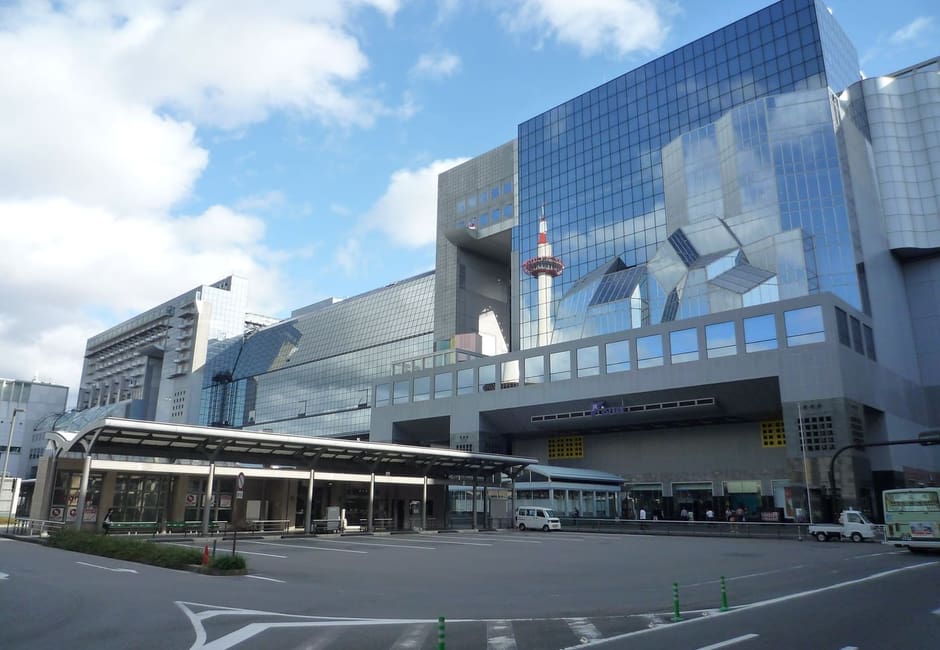
25. Kyoto Station after dark. 15,000 LEDs play across its 171-step staircase, and the 10th-floor Skyway looks over the city until 22:00. It’s free.
Seasons and festivals
26. Autumn colour. Tofuku-ji is at its best from mid-November to early December, when Tsutenkyo opens at 8:30 and costs ¥1,000. Be there then. Eikan-do lights its maples in the evening, 20 November to 6 December in 2026, and Kiyomizu-dera stays open until 21:30 from 21 to 30 November. The trees in Kyoto Gyoen turn from late November to mid-December. The autumn leaves collection lists more.
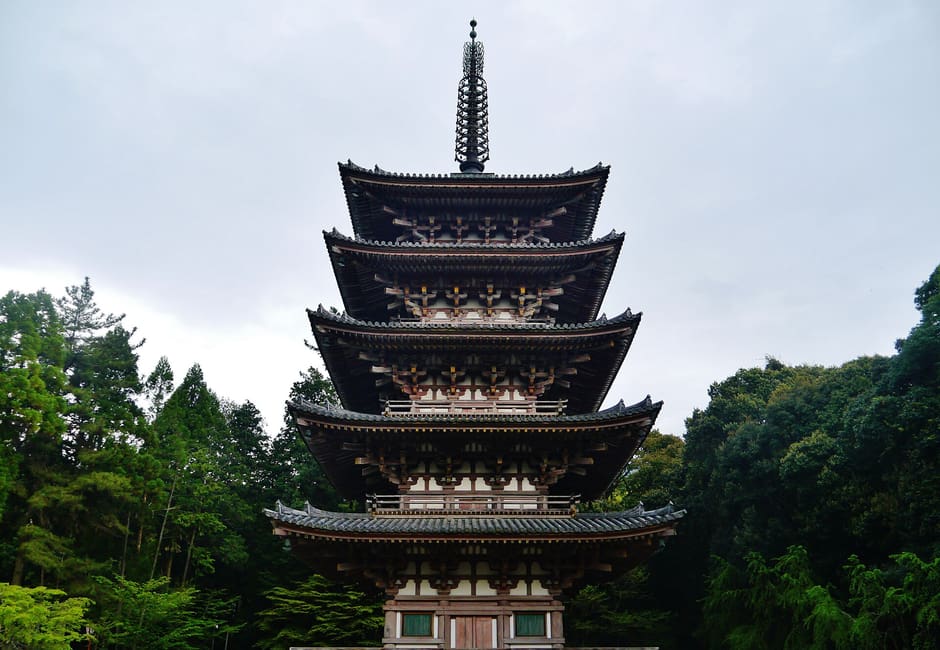
27. Cherry blossom. Weeping cherries in Kyoto Gyoen start in mid-March. Maruyama Park’s old weeping cherry and the trees at Gion Shirakawa are lit after dark, the Philosopher’s Path has 360 cherries given by the painter Hashimoto Kansetsu in 1922, and Ninna-ji’s low Omuro cherries flower in early to mid-April. Daigo-ji is where Hideyoshi planted 700 trees for his 1598 blossom party. See the cherry blossom collection.
28. A festival. The Aoi Matsuri’s court procession walks from the Imperial Palace to Shimogamo and on to Kamigamo on 15 May. The Gion Matsuri fills July, with float processions on the 17th and 24th. On 16 August the Gozan Okuribi fires are lit on five mountains from 20:00. Watch the Daimonji from the Kamo River banks between the Marutamachi and Misono bridges. The Jidai Matsuri leaves the palace at noon on 22 October, and that night villagers carry pine torches through Kurama. Dates and smaller events are on the events calendar.
Free, rainy and further out
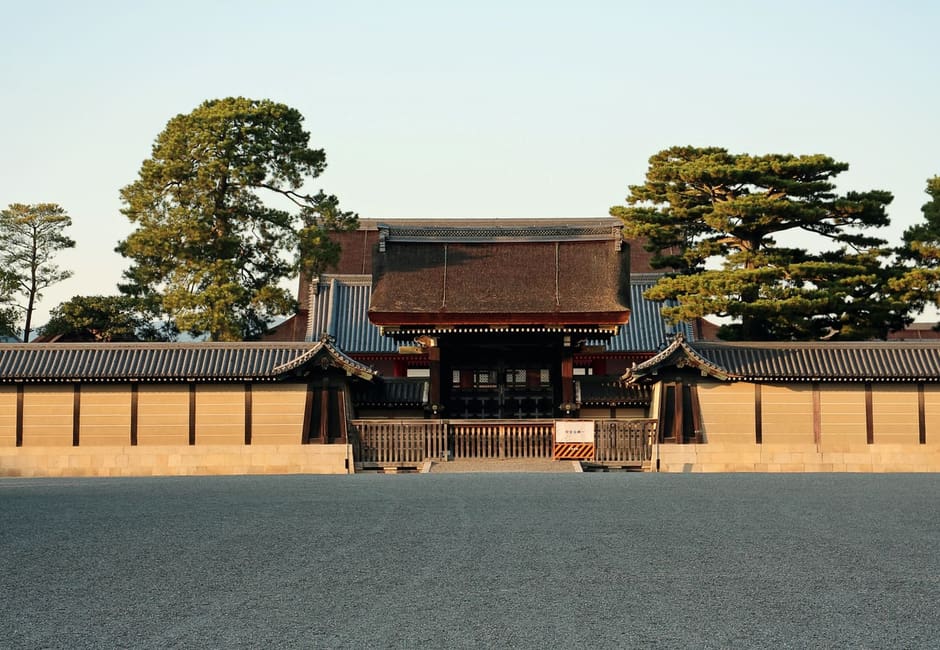
The Kyoto Imperial Palace is free and you don’t need to book (it’s closed Mondays). English tours start at 10:00 and 14:00. From October 2026 its Shishinden throne hall is under a repair of about nine years. Higashi Hongan-ji, 7 minutes on foot from the station, is free too. See free things to do in Kyoto.
When it rains, the Kyoto International Manga Museum lets you take any of about 50,000 manga off its shelves and read (¥1,200). At the Kyoto Railway Museum a working steam engine pulls a coach 1 km out and back. Both are closed on most Wednesdays. See rainy day Kyoto and Kyoto with kids.
Nara is about 35 minutes away by Kintetsu limited express, Uji 17 minutes on the JR Miyakoji Rapid, and the Eizan Railway gets you to Kurama and Kibune from Demachiyanagi in about half an hour. The day trips guide has more.
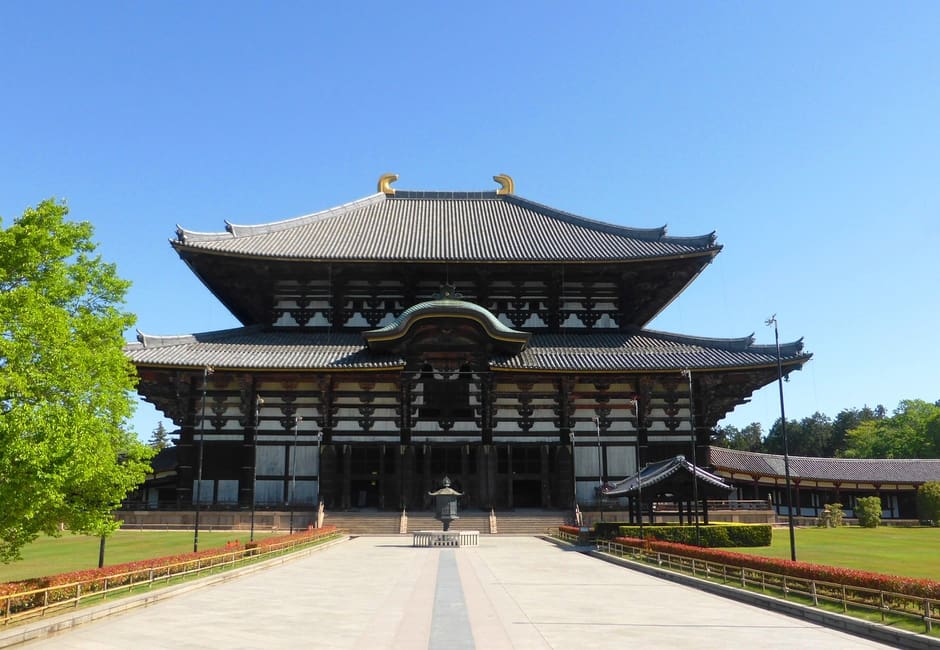
How to plan it
Take one area a day and start it early. The neighbourhood guides group the sights, food and transport for each, and the map shows what’s near you. Round Nanzen-ji in season, Kyoto City’s tourism site steers you to the subway rather than the bus, because the area gets very crowded. If you still need a base, start with where to stay in Kyoto, and Kyoto travel tips has the practical side.
Frequently Asked Questions
When is the best time to visit Kyoto?
Cherry blossom starts with Kyoto Gyoen’s weeping cherries in mid-March and runs into April, and the autumn leaves peak from mid-November to early December. Those weeks are busy, so start early. July has the Gion Matsuri, and 16 August the Gozan Okuribi fires.
Is Fushimi Inari open at night?
Yes. The grounds never close and entry’s free, so you can walk the torii at dawn or after dark.
How do you avoid the crowds in Kyoto?
Go when things open. Kiyomizu-dera opens at 6:00, Ryoan-ji at 8:00 from March to November and Ginkaku-ji at 8:30 (9:00 in winter), and Fushimi Inari never closes. Check Kyoto City’s live camera before the bamboo path.
Can you go to a sento in Kyoto with tattoos?
It depends on the bath. Kyoto Tamanoyu says on its own site that you can bathe there with tattoos. At Tenzan no Yu in Arashiyama you can’t.
Places in this guide
Photos show the actual places, licensed under Creative Commons and credited to their photographers.
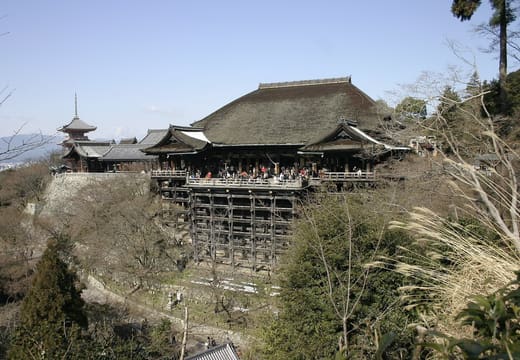 Kiyomizu-dera Photo: ito1117 / Wikimedia Commons (CC BY-SA 3.0)
 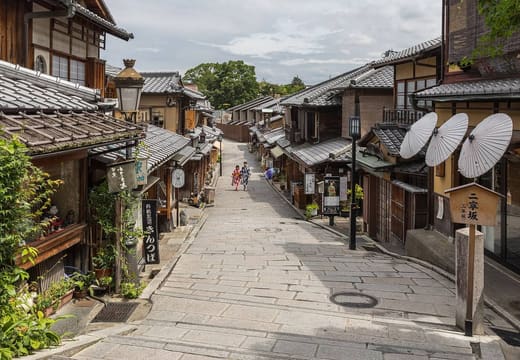 Sannenzaka and Ninenzaka Photo: Basile Morin / Wikimedia Commons (CC BY-SA 4.0)
 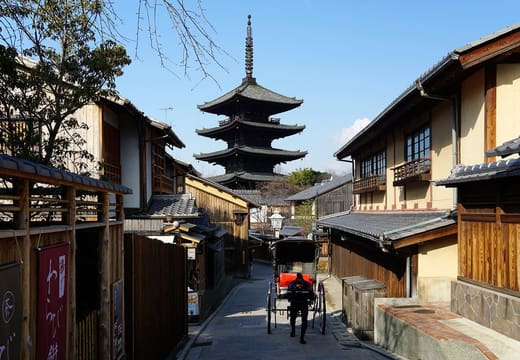 Yasaka Pagoda Photo: 663highland / Wikimedia Commons (CC BY 2.5)
 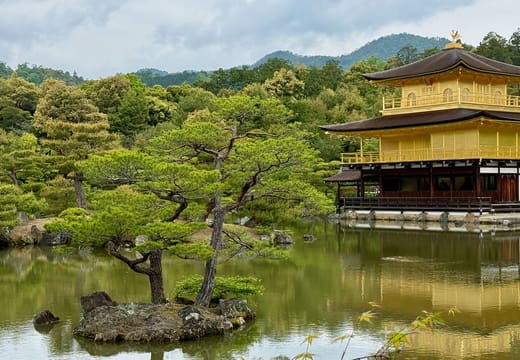 Kinkaku-ji Photo: John Mason
 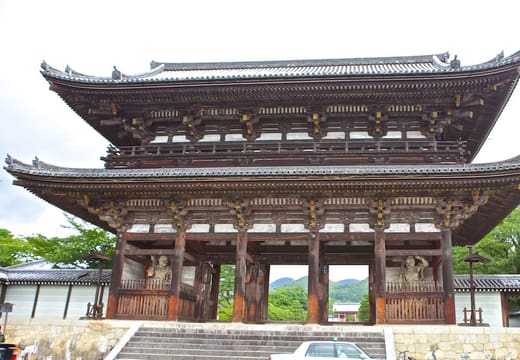 Ninna-ji Photo: josef knecht / Wikimedia Commons (CC BY 3.0)
 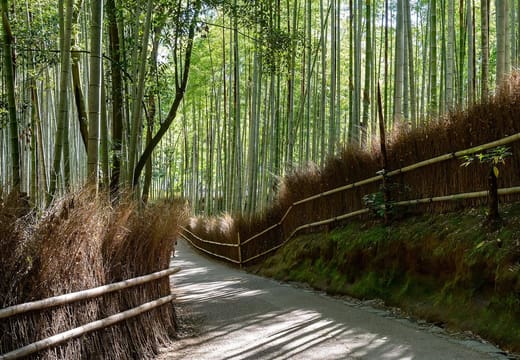 Arashiyama Bamboo Grove Photo: dconvertini / Wikimedia Commons (CC BY-SA 2.0)
 Find hotels in Kyoto
Browse live availability and compare prices for your dates.
See hotels near Kyoto on Booking.comPrices are for the night of Saturday 17 October. You can change the dates on Booking.com. If you book, Roam Kyoto earns a small commission from Stay22 at no extra cost to you.