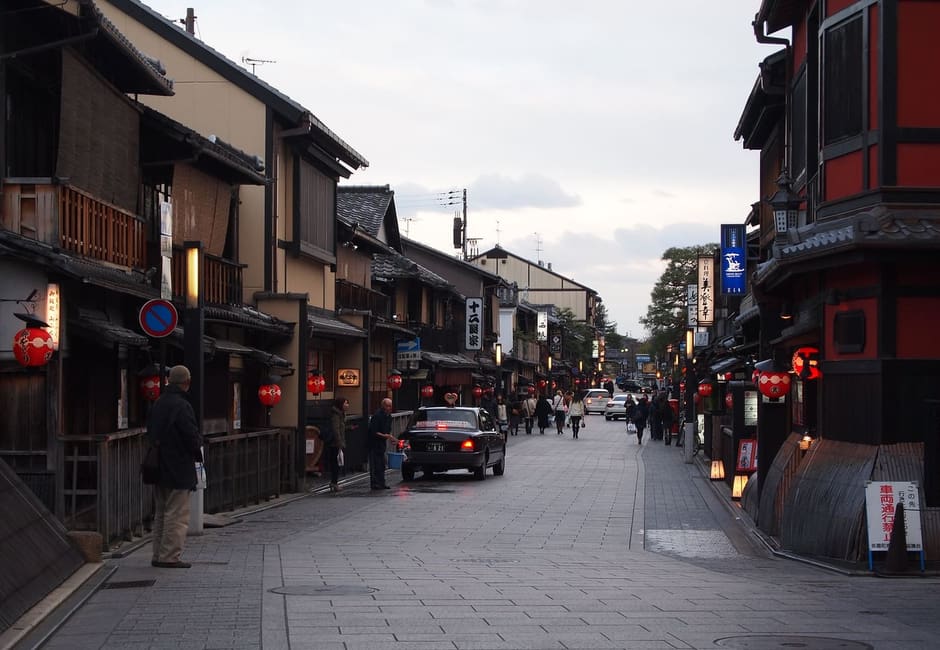
Gion
The teahouse streets below Yasaka Shrine, best early or at dusk
Gion grew up as the town at the gate of Yasaka Shrine, and it's still where Kyoto's geiko and maiko live and work. Gion Kobu, the largest of the city's five geiko districts, keeps its teahouses along Hanamikoji-dori, and the Shirakawa canal runs through Gion Shinbashi to the north. Go early for the shrine and the temples behind it. Come back at dusk for the streets.
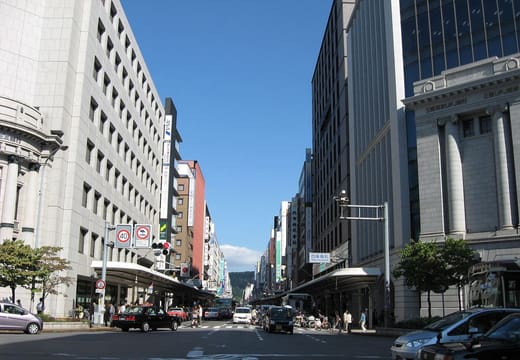
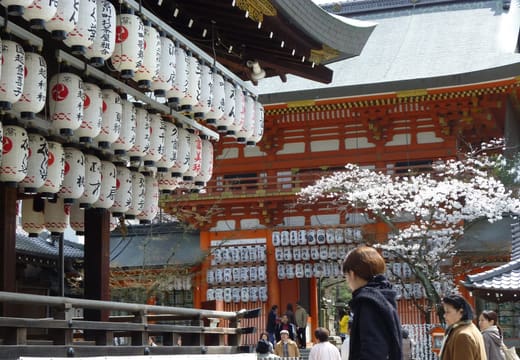
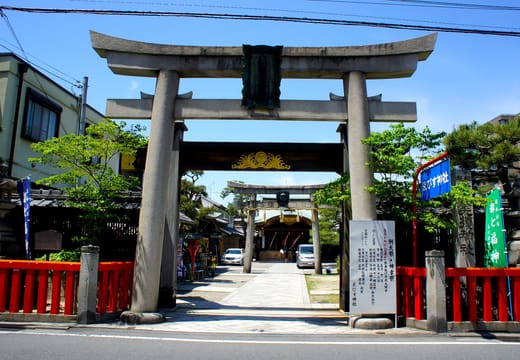
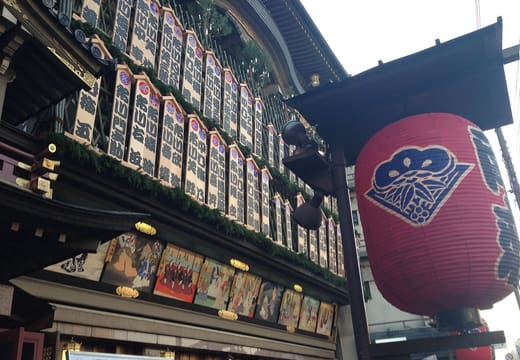
Walk east on Shijo-dori from the Kawaramachi crossing, over the Kamo River, and Yasaka Shrine's vermilion gate is in front of you about 13 minutes later. The Gion Matsuri grew from a prayer there against epidemics, and it still takes over July, with float processions on 17 and 24 July. Minamiza has stood at the east end of the bridge for more than 400 years, since kabuki played on the dry riverbed.
If you see a geiko or maiko in the street, let her pass. Don't stop, touch, follow or photograph her without asking. Those are southern Gion's own rules, and a resident's report can bring the police. Miyagawacho, down by the river, is a second geiko district, with its own dances each April.
Getting there
From Kyoto Station, take the JR Nara Line two minutes to Tofukuji and change to the Keihan Line for Gion-Shijo, 9 minutes up the line from Fushimi-inari. On weekends and holidays the EX100 bus from stop D1 gets you to the Gion stop in about 15 minutes for ¥500, two minutes from Yasaka Shrine.
What to see
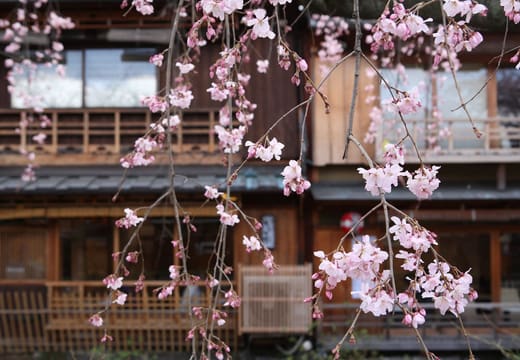
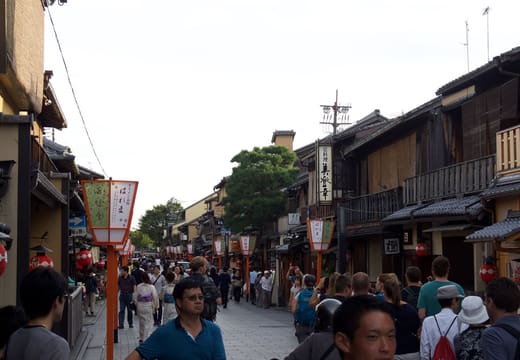
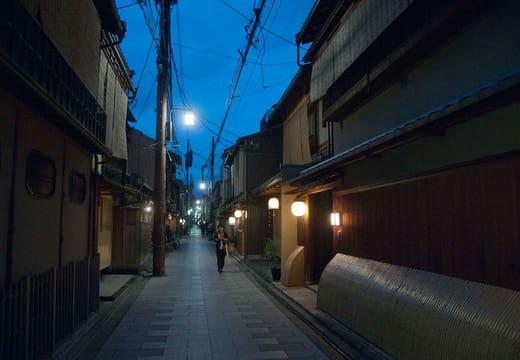
Start on Hanamikoji-dori, which runs south from Shijo-dori between teahouses that kept their old fronts. Look for red lanterns printed with linked dumplings, Gion Kobu's crest. Keep to the edge, since cars use the street too, and stay out of anything that isn't a shop or the road. The street leads to the Gion Kobu Kaburenjo. Gion Corner, in its annex, puts seven traditional arts on one stage in about 50 minutes, and the Gion Kagai Art Museum next door shows the kimono and kanzashi of the district's geiko and maiko. North of Shijo-dori, Gion Shirakawa is a canal-side street of machiya that Kyoto has protected since 1976. See it after dark in cherry season.
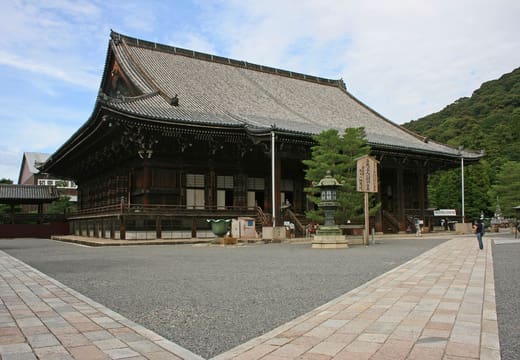
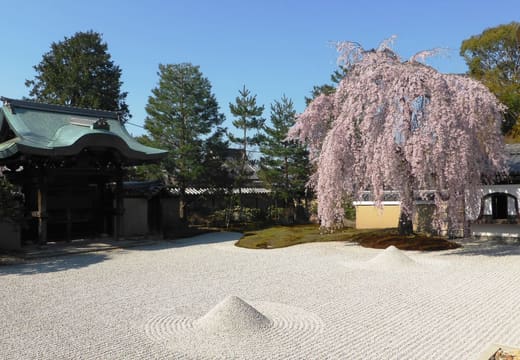
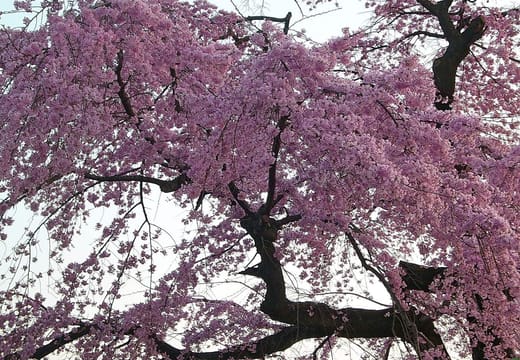
Behind Yasaka Shrine, Maruyama Park's old weeping cherry is lit up at night when it blooms, and beyond the park Chion-in's Sanmon is one of the largest wooden gates in Japan. You can walk in free from 6:00. Kodai-ji, which Nene founded in 1606 to pray for Toyotomi Hideyoshi, lights its garden from 23 October to 13 December 2026.
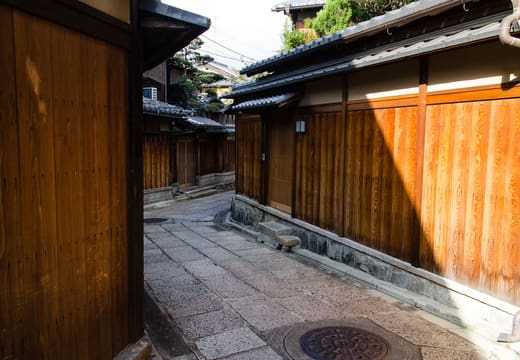
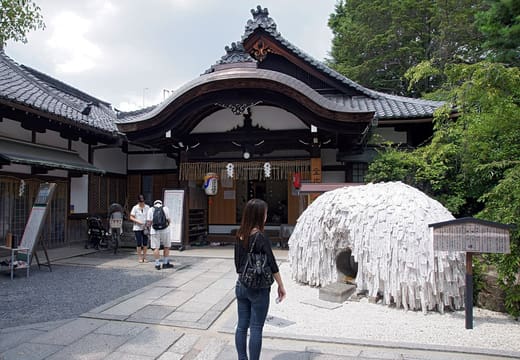
At Yasui Konpira-gu you crawl through a stone plastered with paper charms, one way to end a bad tie and the other way to start a good one. Ishibe-koji is a stone-paved lane of Meiji and Taisho rental houses that people still live in, so keep your voice down.
Where to eat and drink
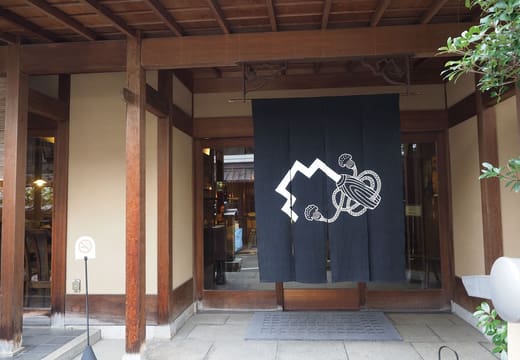
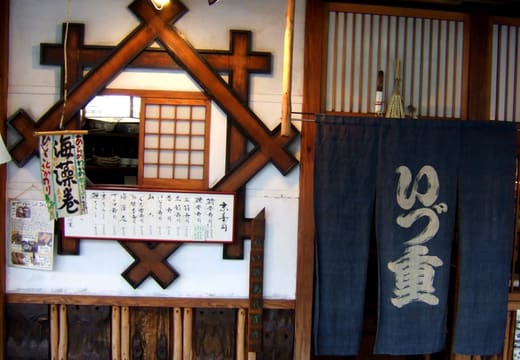
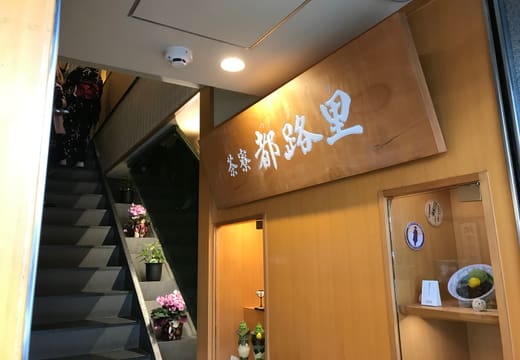
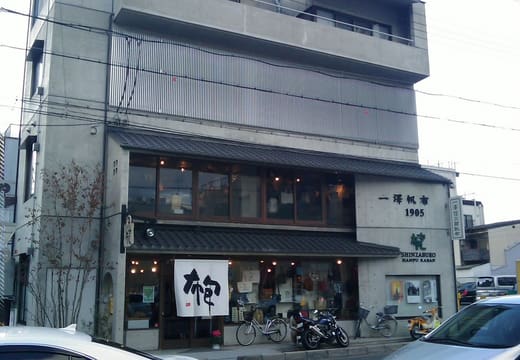
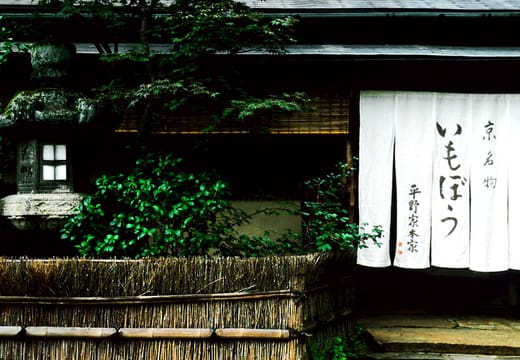
The old food shops are a few minutes' walk apart, on and around Shijo-dori. Kagizen Yoshifusa has made sweets here since the Kyoho era (1716 to 1736). Gion Izuju, at the foot of Yasaka Shrine's steps, presses Tsushima mackerel on rice for saba-zushi, ¥2,820 for six pieces before tax, and you can take almost everything away. Upstairs at Gion Tsujiri, matcha parfaits run from ¥1,600 to ¥3,000. In Maruyama Park, Imobo Hiranoya Honke has made imobo, prawn-shaped taro simmered with dried cod, for about 300 years. Set meals start at ¥3,300.
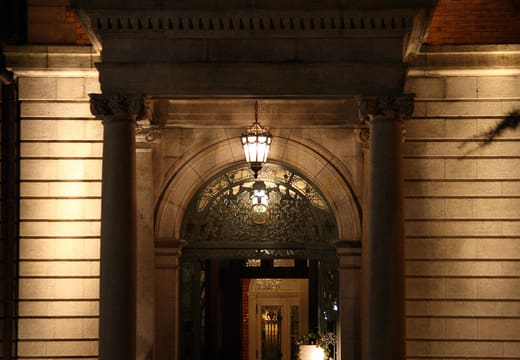
Chourakukan, a Western-style mansion from 1909, serves desserts in six rooms, each in a different style. After dark, Gion Finlandia Bar pours mostly Nordic spirits in a building that still looks like a teahouse, from 18:00 to 2:00, with a ¥1,000 cover charge. To take home, Hararyokaku's kuro-shichimi is ¥540 a bag.
Where to stay
Kyoto's tourism association lists ryokan, Western-style hotels and smaller places such as machiya townhouses and guesthouses. Its list for this part of town includes Gion Shinmonso, a 21-room ryokan on the Shirakawa, and Chourakukan, with six rooms in its mansion by Maruyama Park. The Celestine Kyoto Gion is on Yasaka-dori. Book well ahead for the cherry blossom and the autumn leaves.
Gion suits you if you want Yasaka Shrine before the crowds and a short walk home after Gion Corner. Got big cases? Take the subway. Kyoto asks visitors to keep large luggage off its city buses. The Karasuma and Tozai lines run from Kyoto Station to Higashiyama in about 15 minutes, changing at Karasuma Oike.
How to do it in a day
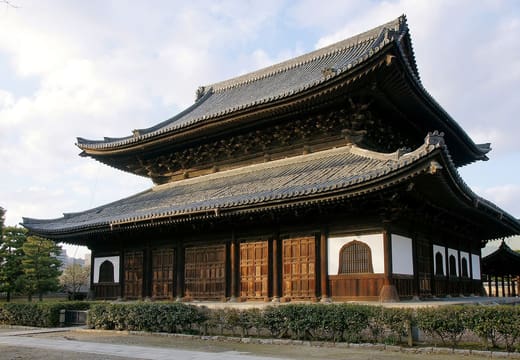
Pick any day but Monday, when Kagizen Yoshifusa's closed. Be at Yasaka Shrine early and walk through Maruyama Park to Chion-in, then come back down for Kennin-ji at its 10:00 opening and Yasui Konpira-gu nearby. Lunch is saba-zushi at Gion Izuju (closed Wednesdays and Thursdays) or imobo at Imobo Hiranoya Honke, from 11:00.
Book the 13:30 dance at the Gion Kagai Art Museum, then have kuzukiri at Kagizen Yoshifusa. Walk Hanamikoji-dori and Gion Shirakawa as the light goes, and see the 18:00 show at Gion Corner (Tuesday to Friday only from December to mid-March). Between 23 October and 13 December, Kodai-ji's open until 22:00. Or end at Gion Finlandia Bar, which pours until 2:00.
Nearby neighbourhoods
The best of Gion
Things to do in Gion
Stay in Gion
Browse live availability and compare prices around the neighbourhood.
See hotels near Gion on Booking.comPrices are for the night of Saturday 17 October. You can change the dates on Booking.com. If you book, Roam Kyoto earns a small commission from Stay22 at no extra cost to you.