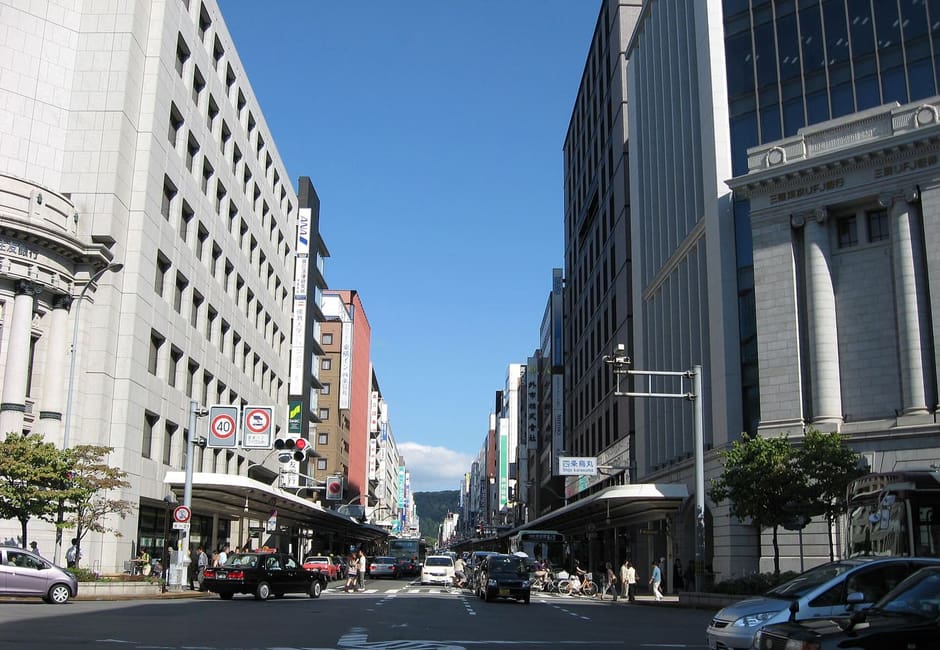
Shijo-Karasuma
Kyoto's old bank corner, with kimono streets one block back
Shijo-Karasuma is the crossing where the subway meets the Hankyu line from Osaka, and by 1915 three of the big banks stood on it. It doesn't look much like the Kyoto on the posters. Walk one block west, though, and you're on Muromachi-dori, the old kimono wholesalers' street, near the lanes where the Gion Matsuri floats are built every July.
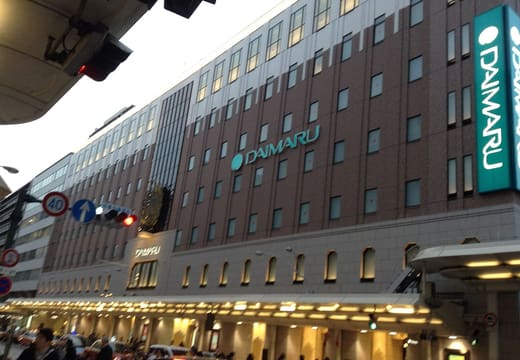
The trams of 1912 made Karasuma-dori and Shijo-dori the city's main roads. To lay the tracks, the city widened them to 27 metres and 21.8, the banks moved onto Karasuma, and old kimono houses opened department stores on Shijo. Daimaru Kyoto opened that October, on the spot it still trades from. Sanjo-dori, the main east-west street before them, kept its red brick.
Come here for early starts and wet days. You can have breakfast from 7:00, Rokkaku-do's gate opens at 6:00, and if it rains there's the manga museum and a history museum that stays open until 19:30. You can walk all of it, from Nijo-dori down to Inaba-do, about a kilometre and a half.
Getting there
From Kyoto Station the Karasuma Line gets you to Shijo in about 4 minutes and to Karasuma Oike, where it crosses the Tozai Line, in 6. Hankyu limited expresses from Osaka-umeda reach Karasuma in about 41 minutes, and Karasuma's joined underground to Shijo Station and Daimaru Kyoto.
What to see
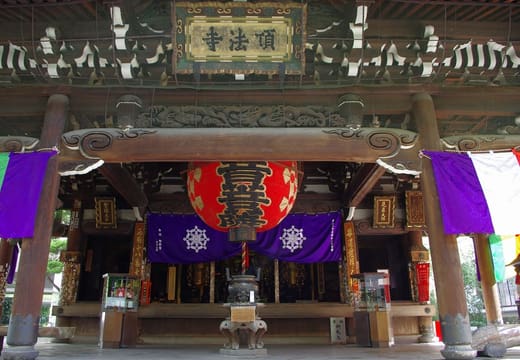
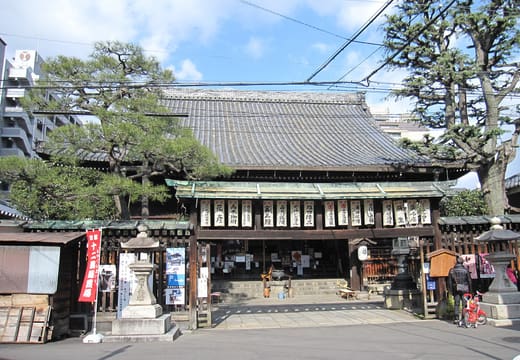
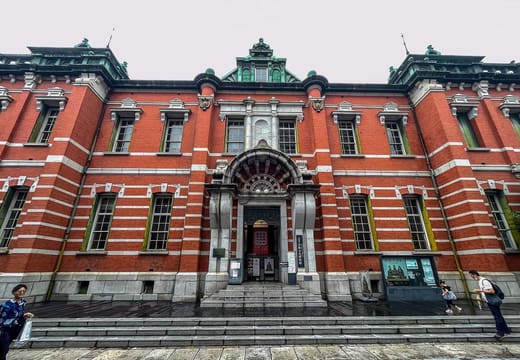
Start at Rokkaku-do, a block off Karasuma-dori, where the Ikenobo priests shaped ikebana in the 1400s. For its six-sided roof from above, ride the viewing lift in the ten-storey building just south of the Ikenobo Kaikan. A few minutes north are the Sanjo-dori Brick Buildings, among them the 1902 Nakagyo Post Office and the 1906 Bank of Japan branch. The bank's now the Museum of Kyoto annex, and it's free to walk into.
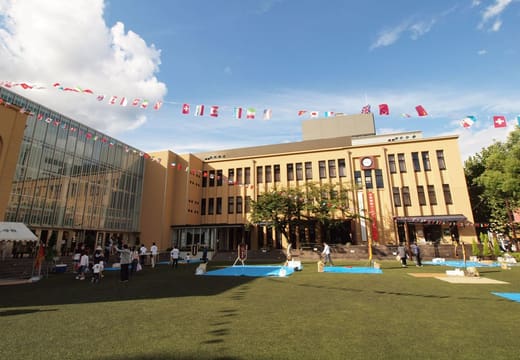
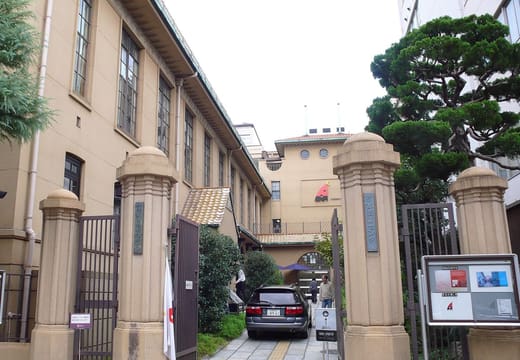
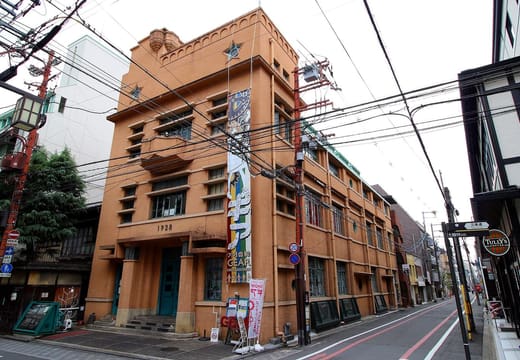
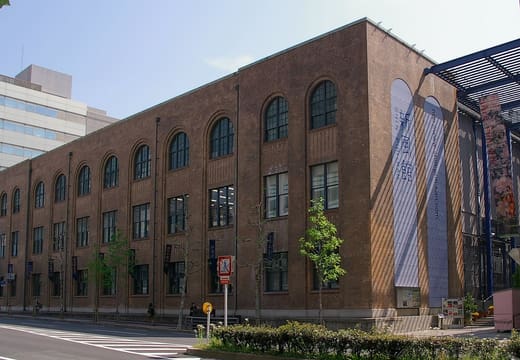
When it rains, go to school. The Kyoto International Manga Museum fills the former Tatsuike Elementary School with about 50,000 manga on 200 metres of shelves, and you can read any of them (¥1,200). Kyoto Art Center, in Meirin Elementary School's 1931 building, runs free galleries until 20:00, and its Maeda Coffee cooks inside an artwork, a kitchen tower by Teppei Kaneuji and Toshikatsu Ienari.
South of Shijo-dori, you can sit in on Bukko-ji's 7:00 morning service, and D&Department Kyoto has run a design shop and canteen in its grounds since 2014. Inaba-do, a few minutes away, holds a handmade market on the 8th of every month. The 23 floats of the Gion Matsuri's first procession stand in the streets round here for the yoiyama evenings of 14 to 16 July, and they set off from the Shijo-Karasuma crossing at 9:00 on the 17th.
Where to eat and drink
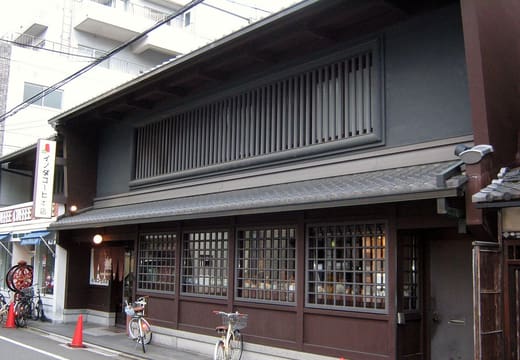
Breakfast is what this area does best. Inoda Coffee's main shop seats 211 on Sakaimachi-dori and opens at 7:00. Maeda Coffee, in a former kimono merchant's building since 1981, opens at the same hour, roasts on a Probat in the room and makes spaghetti Napolitan its house dish. Smoking's allowed, but you'll find the non-smoking seats at the back. Daimaru Kyoto's two basement floors are food halls, and Kameya Yoshinaga, making Kyoto sweets since 1803, has a tearoom out at Shijo-Horikawa.
For dinner, book Kushikura on TableCheck. It grills chicken over binchotan charcoal in a machiya more than 100 years old, with courses from ¥3,000 to ¥6,000. Sake Bar Yoramu on Nijo-dori pours everything by the 60 ml glass, from new unpasteurised sake to vintages over 30 years old. It doesn't take bookings, but if you phone 15 minutes ahead the owner will hold seats when there are some.
Where to stay
Stay by a station and you won't need the bus. Ace Hotel Kyoto, the chain's first in Japan, is part of Shinpuhkan and connects straight to Karasuma Oike Station. Near Shijo Station you'll find chain hotels, with Daiwa Roynet Hotel Kyoto Shijo Karasuma a minute from exit 5 on Karasuma-dori and Mitsui Garden Hotel Kyoto Shijo six minutes away on Nishinotoin-dori.
It suits you if you'll ride a lot of trains. Higashiyama, the stop for Shoren-in and Chion-in, is about 5 minutes from Karasuma Oike on the Tozai Line. The yoiyama crowds fill these streets every July, so skip mid-July unless you're coming for the Gion Matsuri.
How to do it in a day
Be at Inoda Coffee for 7:00, then walk a few minutes west to Rokkaku-do. Walk Sanjo-dori east from the Karasuma crossing, where a 1920 road origin marker stands on the southeast corner, to the Museum of Kyoto, which opens at 10:00. Cut back west to Eirakuya on Muromachi-dori, a cotton merchant since 1615, for a tenugui. Lunch is Kushikura, which opens at 11:30.
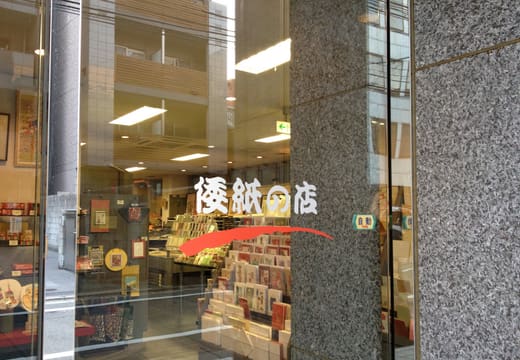
After lunch the manga museum's a few minutes' walk west (last entry 16:30). Head south to Kyoto Art Center, then Morita Washi on Higashinotoin-dori for paper before 18:00 (17:00 on Saturdays). Be at Sake Bar Yoramu when it opens at 18:00, then eat in Shinpuhkan, where the restaurants run to 22:00. Come Thursday to Saturday, the only days when everything on this route is open.
Nearby neighbourhoods
The best of Shijo-Karasuma
Things to do in Shijo-Karasuma
Stay in Shijo-Karasuma
Browse live availability and compare prices around the neighbourhood.
See hotels near Shijo-Karasuma on Booking.comPrices are for the night of Saturday 17 October. You can change the dates on Booking.com. If you book, Roam Kyoto earns a small commission from Stay22 at no extra cost to you.