Where to Eat in Kyoto: Tofu, Kaiseki, Ramen and Sake
Where to eat in Kyoto: yudofu by Nanzen-ji, saba-zushi in Gion, ramen by the station, sweets in Kitano and sake in Fushimi, with prices and booking tips.
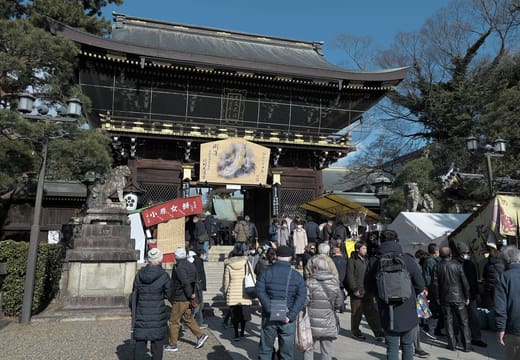
A lot of Kyoto’s oldest food sits beside a temple or a shrine. Hyotei began more than 400 years ago as a tea stall by Nanzen-ji’s outer gate, and Awamochi Sawaya opened as Kitano Tenmangu’s teahouse in 1682. So you’ll often eat the city’s specialities on the way to a sight, and the things to do guide has the sights.
This guide goes by what you want to eat. Every place here is on the map with its nearest station and a price band. Restaurants are under the food filter, and cafes and sweet shops have their own.
How eating in Kyoto works
Check the closing day. Wednesday’s the day to watch. Many Nishiki Market shops close on Wednesdays, and so do Kaneyo, Awamochi Sawaya and Ichiwa. Gion Izuju shuts on Wednesdays and Thursdays, Toyouke-jaya on Thursdays and Fridays, and Shinme on Sundays. Nanzenji Junsei changes its closing days month by month, so look at its site before you go.
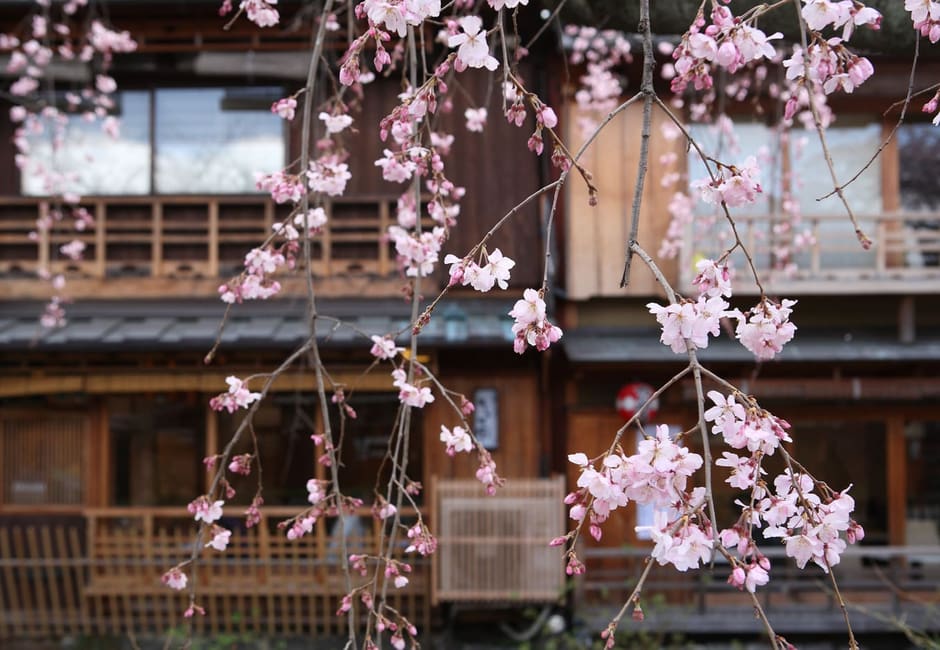
Eat the expensive places at lunch. Mishima-tei’s lunch course is ¥8,591, and its other courses run ¥17,545 to ¥28,435. Shimogamo Saryo’s weekday lunch set is ¥8,800, against ¥22,000 to ¥33,000 for kaiseki. Even Hyotei’s cheaper at noon, from ¥31,625 rather than ¥37,950.
Go early for anything that sells out. Nezameya, Awamochi Sawaya and Yamamoto Menzou all stop once the day’s food is gone.
Booking depends on the place. You can’t book a table at Gion Izuju, Kagizen Yoshifusa, Francois, Inoda Coffee or Katsukura. Daitokuji Ikkyu only cooks to order, so book it. Seike’s nine seats go to bookings first, though a call on the day can turn up a free one. Omen and Ganko Takasegawa Nijoen only take bookings by phone.
Bring some cash. Shinpuku Saikan and Francois are cash only, and Yamamoto Menzou takes a card to book but cash at the shop. Menbaka Fire Ramen won’t take cash at all. The Kyoto travel tips cover the practical side of the trip.
Tofu and yuba
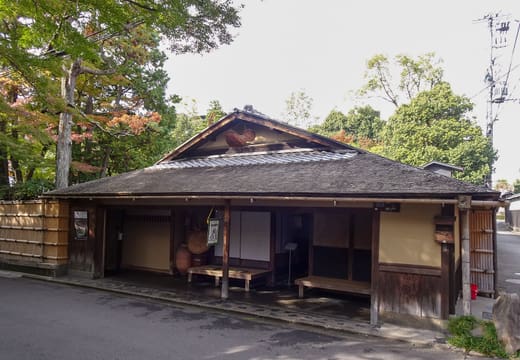
Nanzenji Junsei serves yudofu, Kyoto’s simmered tofu, by Nanzen-ji, in the garden grounds of a medical school the Edo-period physician Shingu Ryotei opened. Tofu courses start at ¥3,850, and you book online.
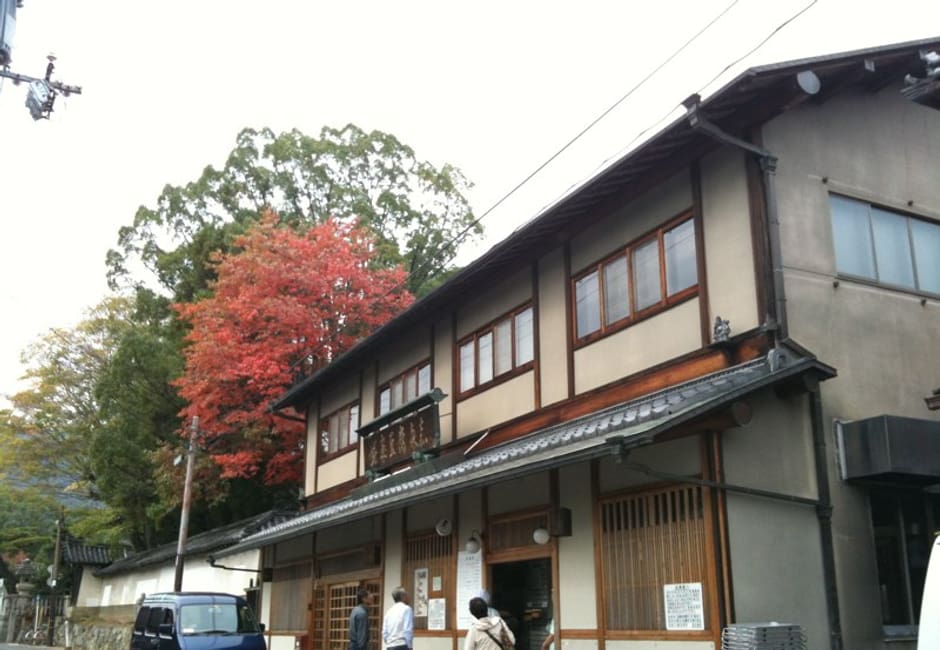
Toyouke-jaya, across Imadegawa-dori from Kitano Tenmangu, is the lunch counter of a tofu maker that’s been in the area since 1897. Order the yudofu, made with its own nigari silken tofu, or the Toyouke-don, tofu on rice. It’s shut on Thursdays and Fridays unless the day’s the 25th or a public holiday, and the 25th is the Tenjin-san Market across the road.
Seike makes its own yuba from Japanese soybeans in Miyama, and Kyo-Yuba Seike Nijo Castle serves it as courses at a nine-seat counter on Oike-dori. The Horikawa course is vegetarian, with no meat, fish, bonito stock, egg or dairy. Online booking opens on the 20th of the month before.
For a cheaper yuba lunch, Ukiya Kiyomizu Kisseian does a Kyo-yuba set for ¥1,450 in a Taisho-era storehouse facing Sannenzaka. In Arashiyama, Saga Tofu Morika has made tofu since around the 1850s. It’s takeaway only, so pick up plain Saga tofu, hirosu fritters or karashi tofu (there’s very hot mustard hidden in the middle) for a picnic. The tofu’s best eaten the day you buy it.
Kaiseki and Zen vegetarian food
Hyotei serves kaiseki in separate tea-house rooms, one under the original thatched roof, and its signature dish is the Hyotei egg. If the price stops you, the annex serves morning rice porridge for ¥5,445 from 16 March to 30 November. The main house closes on Wednesdays and the annex on Thursdays.
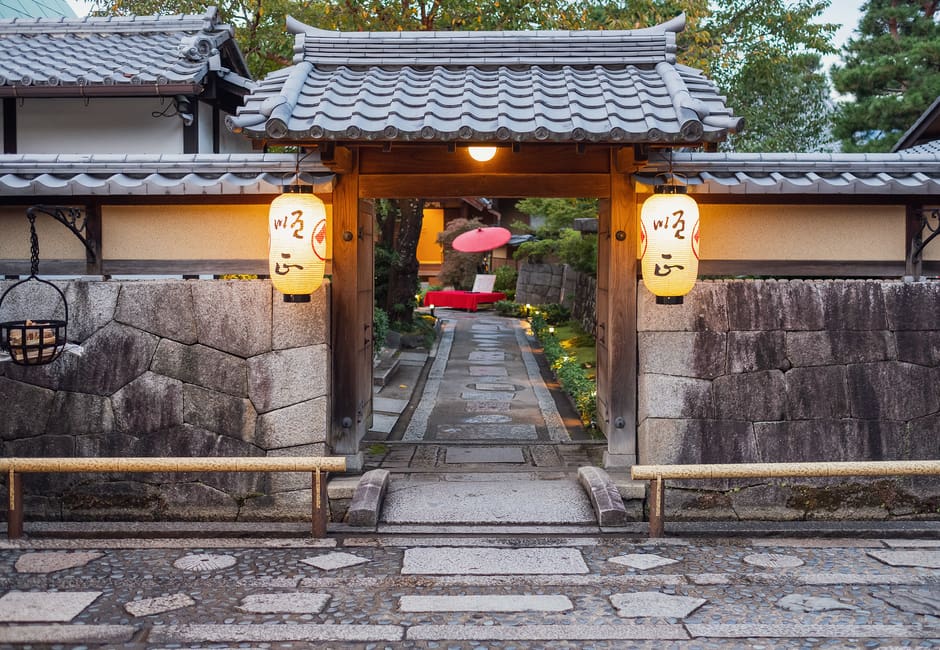
Shimogamo Saryo has served Kyoto cuisine and tea kaiseki next to Shimogamo Shrine since 1856, and you can see Daimonji from the upstairs rooms.
For Kyoto cuisine on a smaller budget, go to Rokusei on the canal just west of Heian Shrine. Its teoke bento, seasonal dishes packed into a lacquered wooden pail, is ¥4,000 at lunch with tax and service included. It’s closed on Mondays.
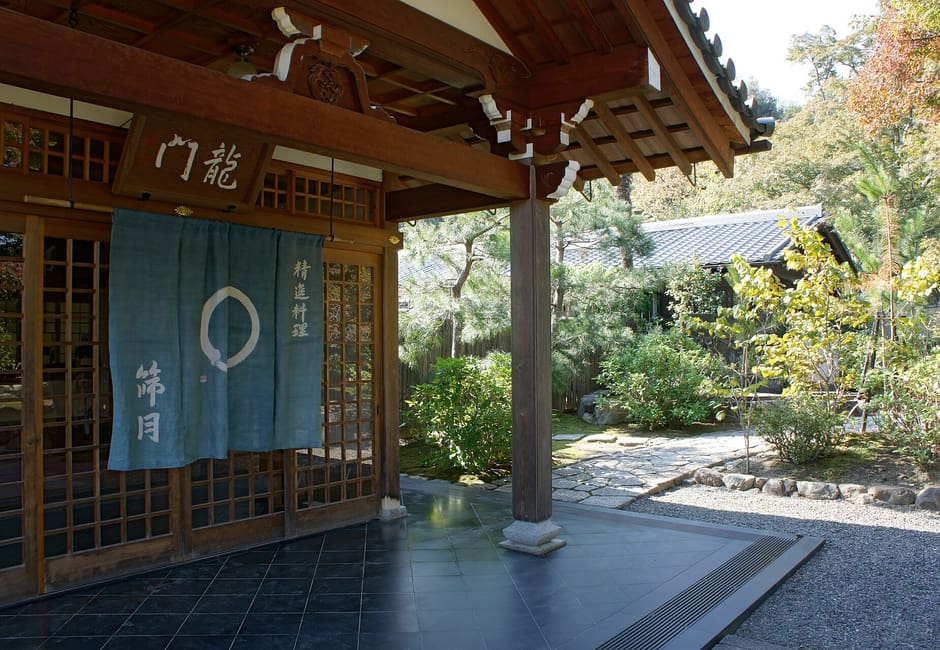
Shojin ryori is Zen vegetarian cooking with no animal products at all. Shigetsu is Tenryu-ji’s own restaurant, with a Michelin Bib Gourmand and a Green Star in the Kyoto Osaka 2026 guide. Its Yuki set (one soup, five dishes) is ¥3,800, you book it two days ahead, and the ¥500 garden fee goes on top. Daitokuji Ikkyu has cooked Daitoku-ji’s vegetarian food since the late 1400s. The fuchidaka box is ¥6,050, and a full honzen meal on red lacquer trays starts at ¥9,680.
Saba-zushi, eel and hotpots
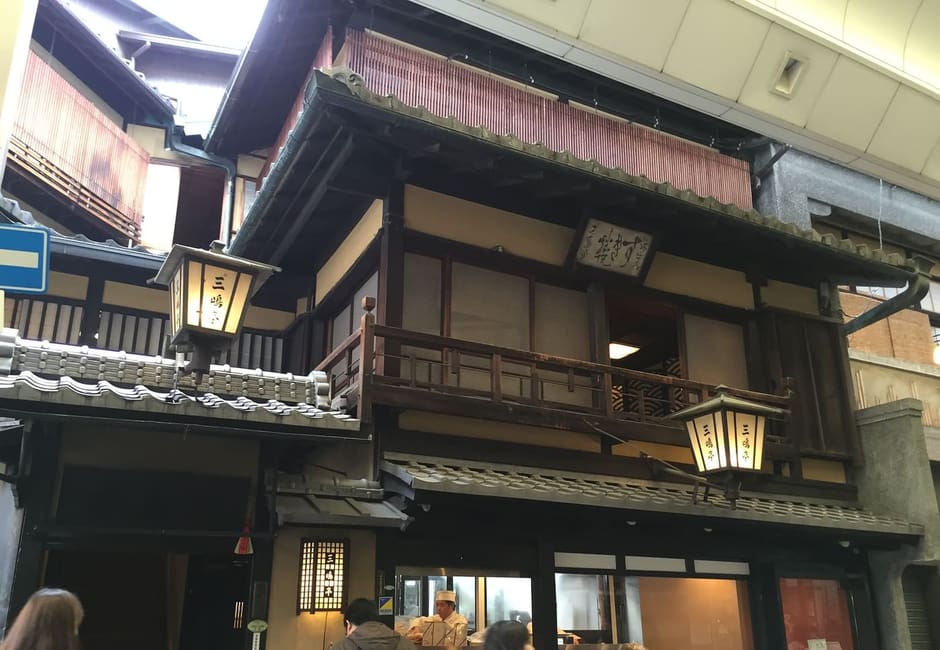
A stone at the west end of Demachi Bridge marks the end of the Saba Kaido, the old mackerel road. Gion Izuju has made Kyoto-style sushi at the foot of Yasaka Shrine’s stone steps since the end of the Meiji era. Its saba-zushi is Tsushima mackerel pressed on rice and wrapped in kombu, ¥2,820 for six pieces before tax, and almost everything can be taken away. Nezameya, on the Fushimi Inari approach, does saba-zushi too, plus inari-zushi at ¥1,050 for seven and kitsune udon for ¥800.
A few old restaurants are built round a single dish. Kaneyo has grilled eel on Rokkaku-dori since 1912, and you order the kinshi-don, eel on rice under a Kyoto-style rolled omelette (¥3,000 for a small one). Mishima-tei has served sukiyaki at Teramachi and Sanjo since 1873, and the main store sells menchi-katsu and bento to take away. Inside Maruyama Park, Imobo Hiranoya Honke has made imobo for about 300 years, prawn-shaped taro simmered for a day and a night with dried cod. Sets start at ¥3,300.
Hachikian on Kawabata-dori has been a chicken restaurant since 1970. Come at lunch for the oyakodon with Kyo-aka jidori (¥2,750), or order mizutaki (¥9,900).
In winter, Hatakaku serves botan nabe, wild boar hotpot in white miso, from 15 November to about 20 March at ¥12,000 a person. It’s the only dish on in that season.
Ramen and noodles
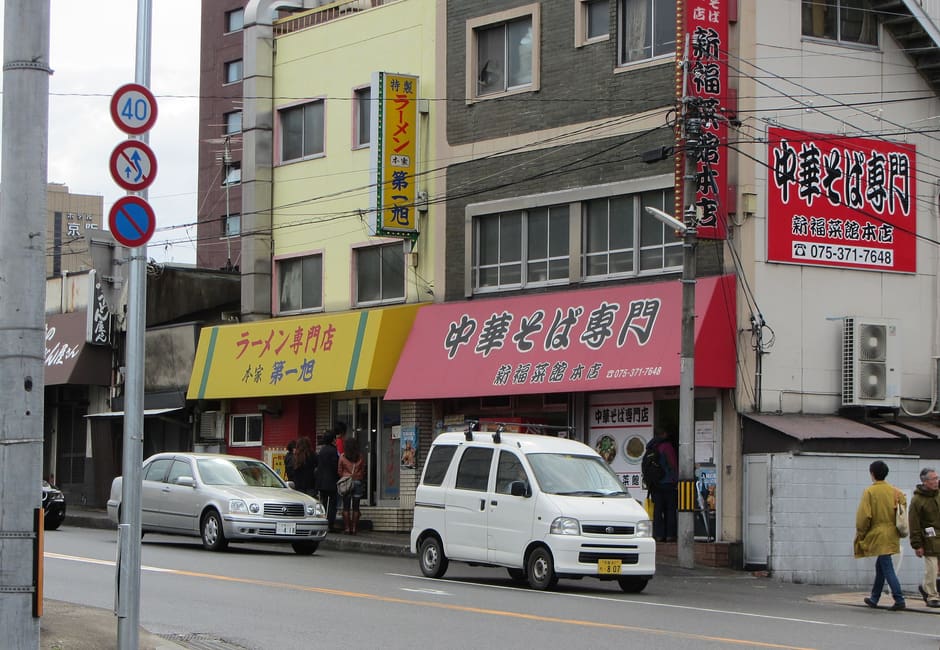
Two ramen shops a few steps apart, just east of Kyoto Station, cover almost any arrival. Honke Daiichi Asahi serves a clear soy broth with Kujo green onions from 6:00 until 1:00, ¥980 a bowl, and it’s closed on Thursdays. Shinpuku Saikan started as a street stall in 1938, and its soy broth’s so dark it surprises first-timers. A regular bowl’s ¥950, cash only.
If it’s raining or you’re waiting on a late train, Kyoto Ramen Koji puts ten ramen shops on the station building’s 10th floor, from Sapporo miso to Hakata tonkotsu, with last orders at 21:30. UNO RAMEN there does vegan, gluten-free bowls.
Tenka Ippin Sohonten is the first shop of the Tenka Ippin chain, serving kotteri, a soup of chicken bones and vegetables so thick the company calls it a soup you eat. It’s open until 1:00. At Menbaka Fire Ramen on Marutamachi-dori, they pour flaming oil over the green onions on your bowl at the counter. Book the set course on TableCheck if you can, since walk-ins can wait outside a long time.
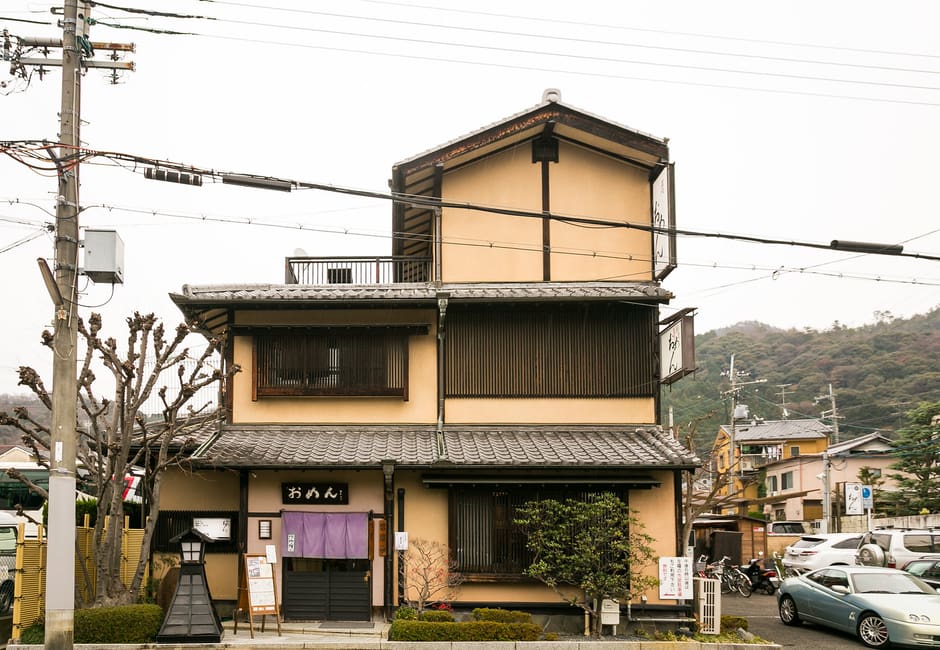
At Omen Ginkakuji you dip udon in a kombu and bonito broth and add sesame, ginger, kinpira burdock and seasonal vegetables from a heap of condiments, ¥1,520 hot or cold. Book by phone. Yamamoto Menzou, near Heian Shrine, has ten counter seats and two tables. Book a time slot, online up to three days ahead or by phone from 9:00 on the day. In Arashiyama, Arashiyama Yoshimura makes its own soba by the north end of Togetsukyo, from ¥1,440, with an English menu.
Sweets and matcha
In Gion, order the kuzukiri at Kagizen Yoshifusa. It’s made to order from Yoshino kudzu and eaten with black sugar syrup, and the tea room’s closed on Mondays. Gion Tsujiri, an Uji tea merchant since 1860, serves matcha parfaits upstairs for ¥1,600 to ¥3,000. On the walk from Yasaka Shrine to Kiyomizu-dera, Bunnosuke Chaya is the only shop that serves Mubi, a warabimochi you’ve got to eat the day it’s made.
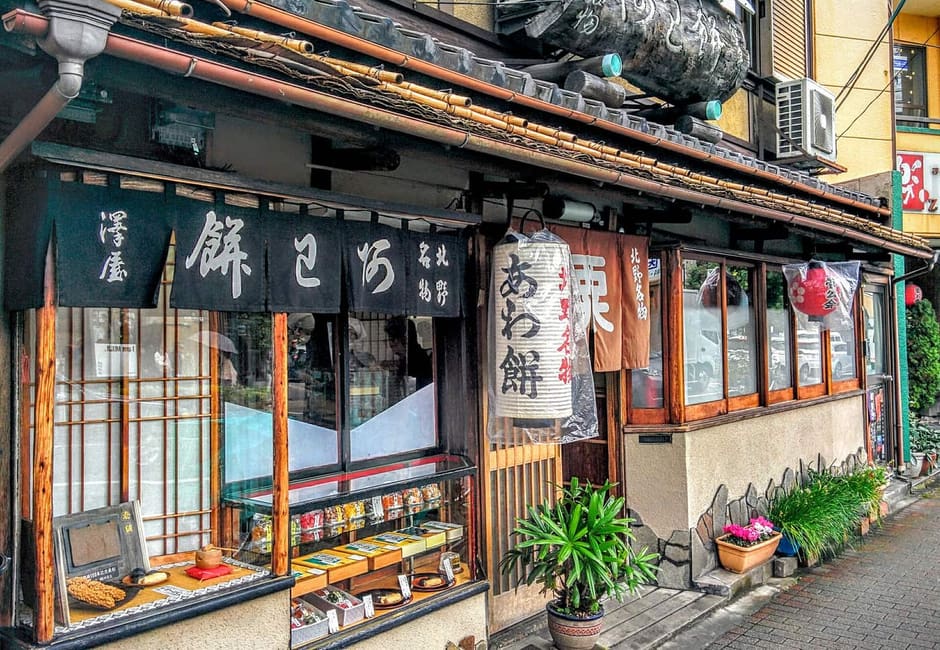
Round Kitano Tenmangu, Awamochi Sawaya pounds millet cakes through the day, wrapped in red bean paste or rolled in kinako, so yours will likely still be warm. Eat them there, as they don’t keep. Outside Imamiya Shrine’s east gate, Ichiwa toasts aburi-mochi over charcoal and dips it in white miso sauce for ¥600 a serving.
Near the Imperial Palace, Toraya Karyo Kyoto Ichijo serves yokan with matcha for ¥1,760 in a tea room that looks onto a garden. You can’t book a table, so try a weekday afternoon.
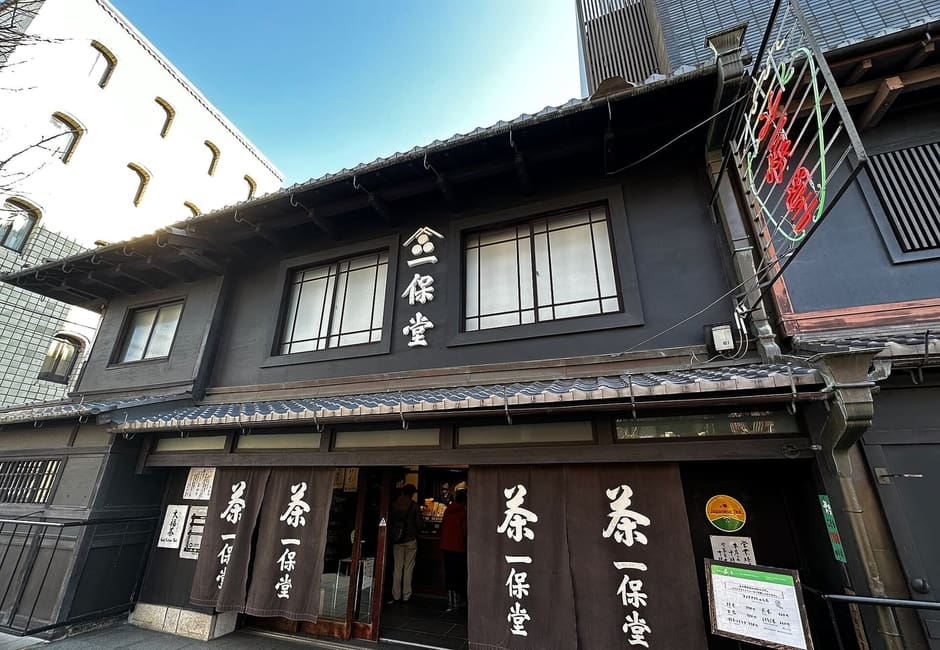
For tea to take home, Ippodo Tea has been on Teramachi since 1864, and in its Kaboku Tearoom the staff can talk you through making the tea yourself. Take-away matcha is ¥972. Uji is 17 minutes from Kyoto Station on the JR Miyakoji Rapid, and the approach to Byodo-in is about 160 m of tea shops. It’s one of the day trips from Kyoto.
Coffee houses
Inoda Coffee opens its main shop at 7:00 and serves the Kyoto Breakfast, ham and scrambled eggs with bread for ¥1,890, until 11:00. Francois Coffee House opened in 1934, and you sit in red velvet chairs under stained-glass windows. It’s cash only, there are no bookings, and you queue along the wall.
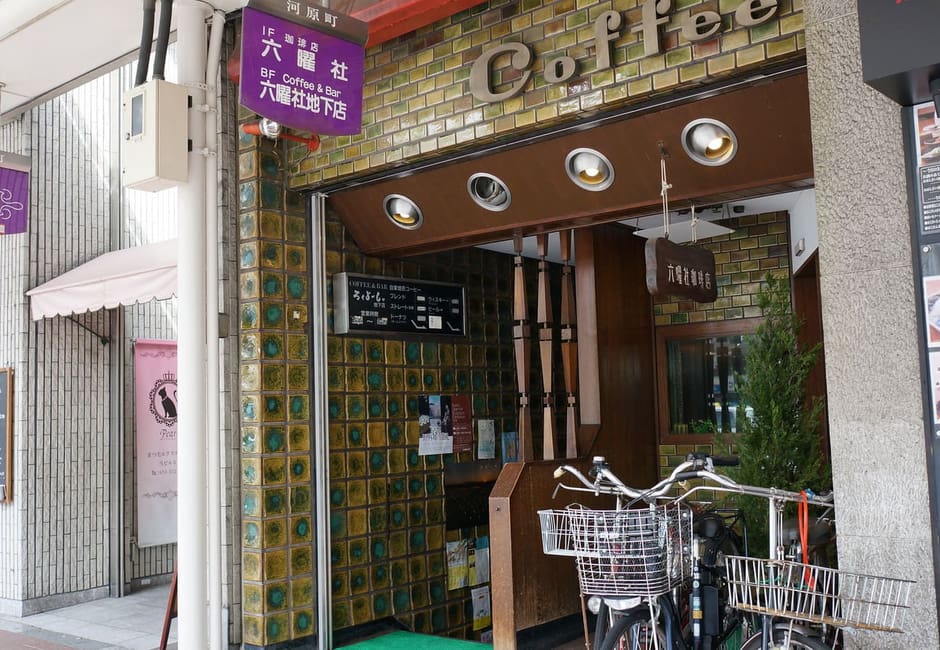
Rokuyosha Coffee on Kawaramachi-dori is two rooms, and the basement roasts its own beans and turns into a bar at 17:00. Sarasa Nishijin is a cafe in an old bathhouse, with the majolica tiles still on the walls, and on weekends it opens at 7:00 for breakfast.
Markets and food halls
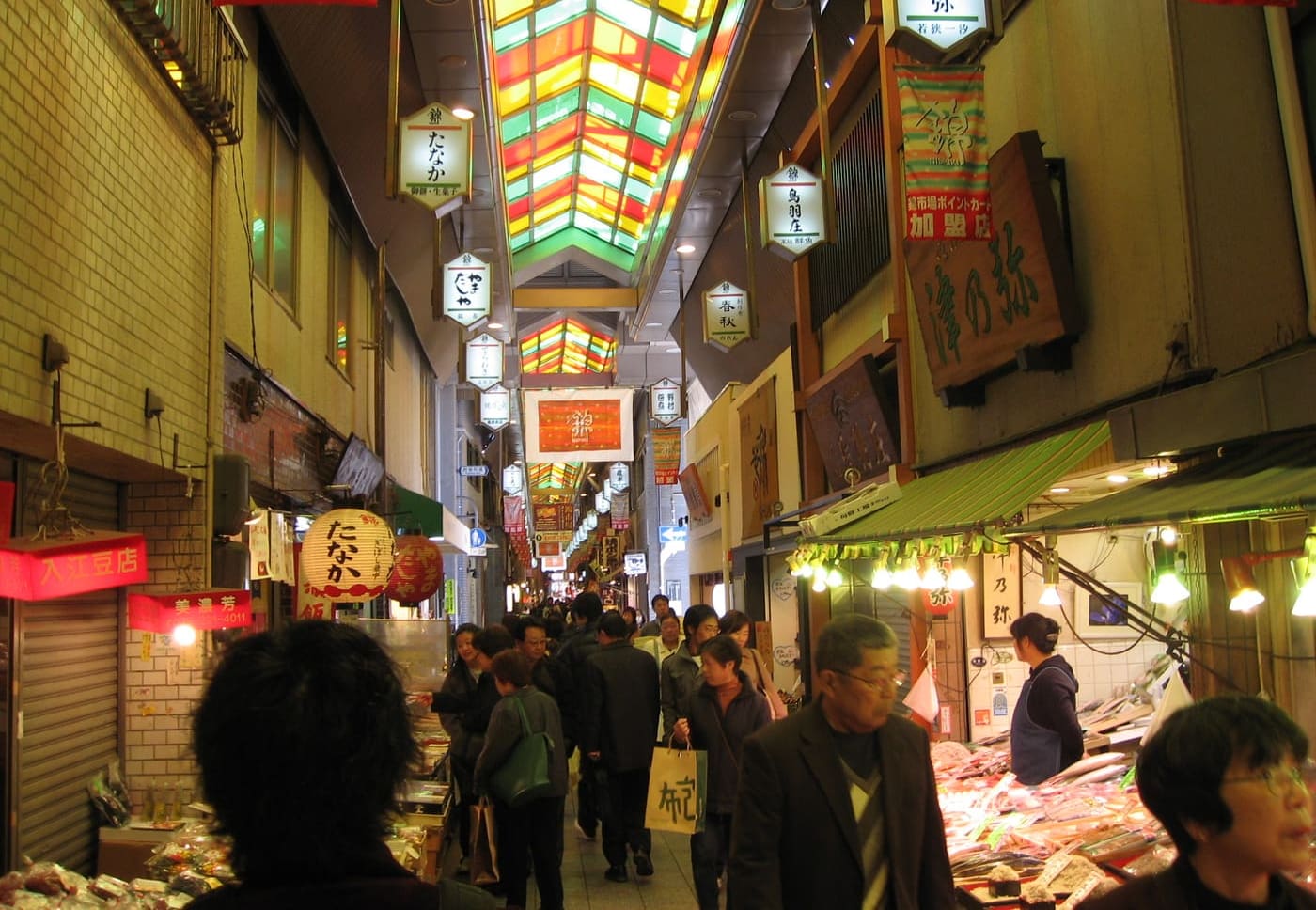
Nishiki Market is a 390 m covered lane of food shops just north of Shijo-dori and has traded for about 400 years. Look for Kyoto vegetables, yuba, fresh fu and hamo eel. Don’t eat while you walk. The market asks you to eat in front of, or inside, the shop you bought from.
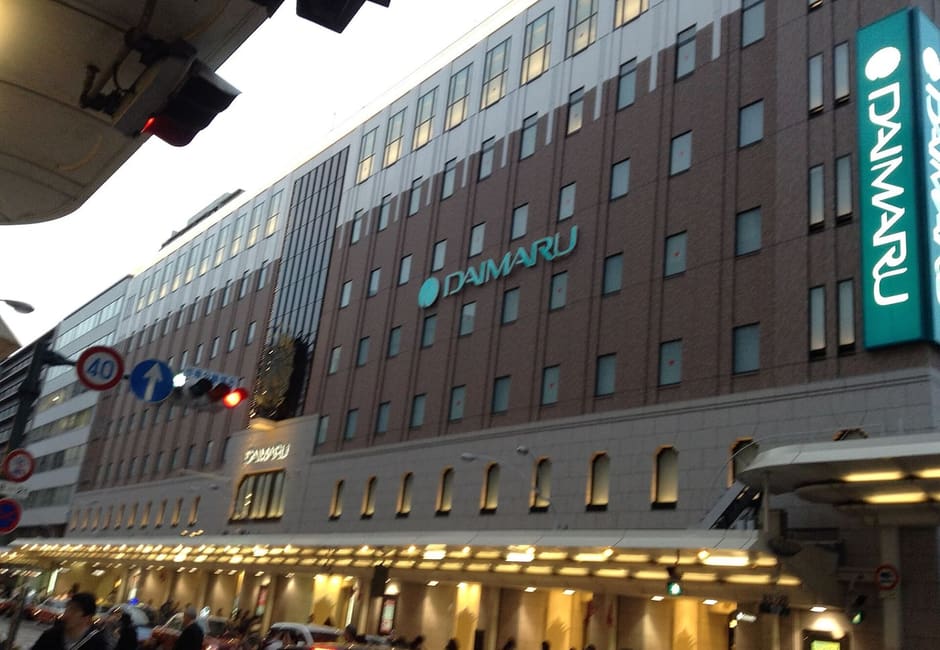
Daimaru Kyoto fills both its basement floors with food halls. By Kyoto Station, the basement food hall of Kyoto Tower Sando runs to 23:00, and every Saturday at 12:00 its conveyor-belt sushi bar cuts up a whole tuna.
To take something home, Daiyasu sells senmaizuke, Shogoin turnip shaved thin and cured with kelp, from September to April (¥864 for 110 g).
Sake in Fushimi
About 20 breweries still make sake in Fushimi. At Fushimi Sakagura Koji, a counter over 23 m long pours more than 120 sakes from the 18 breweries of the Fushimi Sake Brewers Association, so order the 18-brewery tasting set. You don’t need to book. Eight restaurants share the alley, and you can order from any of them wherever you sit.
Aburacho, a sake shop on the Otesuji arcade, has 80 to 90 Fushimi sakes to taste at its counter, ¥160 to ¥1,290 a cup, and the owner speaks English. The Gekkeikan Okura Sake Museum (¥600 if you’re 20 or over, card or phone only) finishes at a tasting counter.
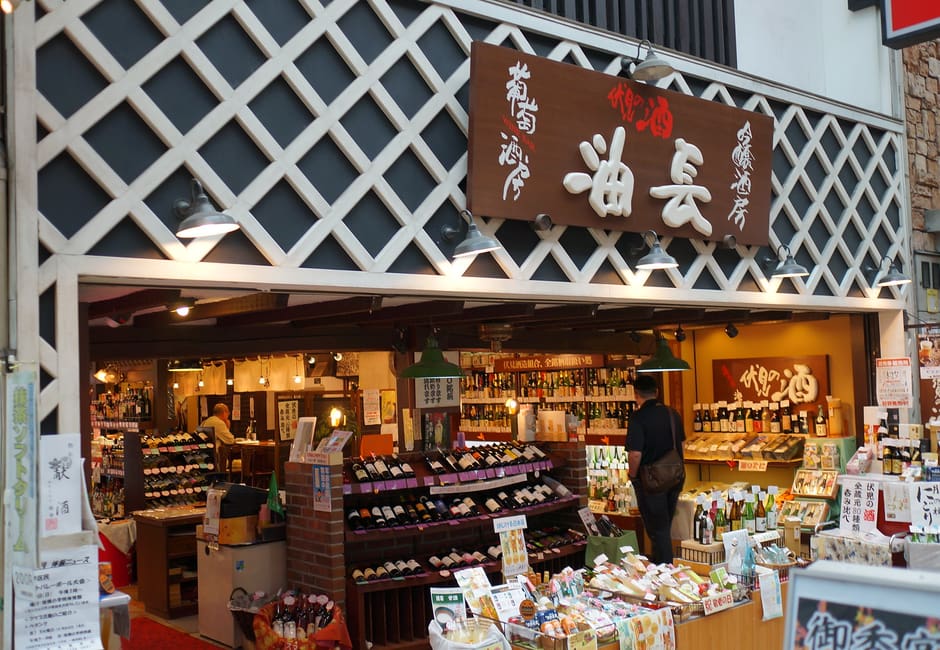
To eat with it, Torisei Honten is the Shinsei brewer’s chicken restaurant, pouring unpasteurised genshu straight from a tank. It’s closed on Mondays. A few doors away, Tsuki no Kurabito puts a whole bottle of Gekkeikan daiginjo into its hotpot broth.
On 24 October 2026, 13 brewers open up at 11 sites for the free Fushimi Sake Kairo day, from 10:00. The new-sake Fushimi Sake Fes is expected in March 2027, and you’ll have to book that one. You’ll find both on the events calendar.
Drinks after dark
Shinme on Senbon-dori has served drinks since 1934 and is said to be Kyoto’s oldest izakaya. The menu changes daily with the market fish, and the house hot sake’s a blend of six. It’s open 17:00 to 21:30.
Sake Bar Yoramu has eight or nine seats at one counter on Nijo-dori and pours by the 60 ml glass, so you can line up several. It opens Wednesday to Saturday from 18:00 and doesn’t take groups bigger than three. Kyoto Brewing Co. Taproom, near Toji Station, has no food, but you can bring your own.
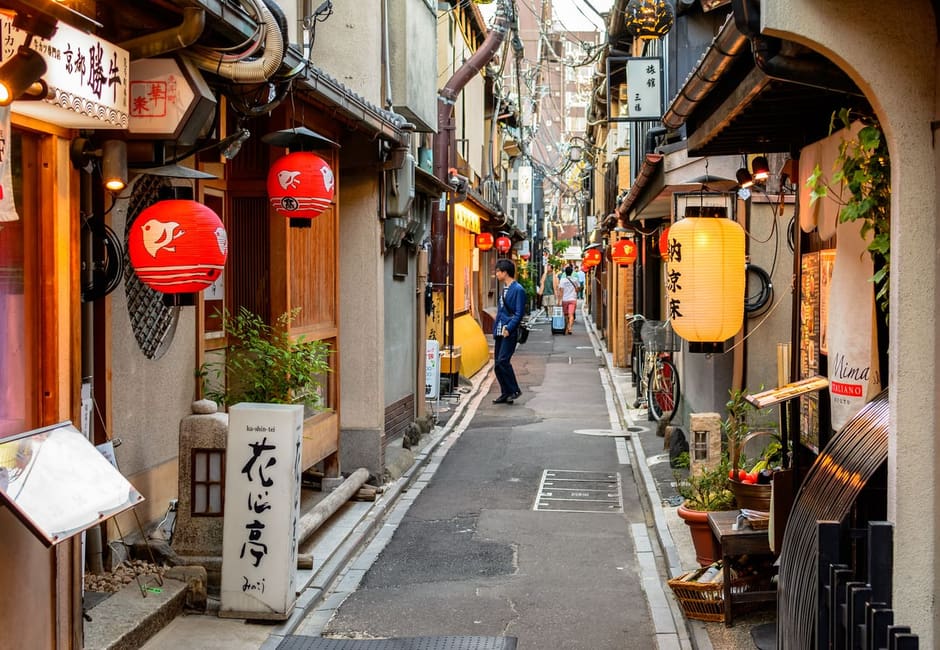
From 1 May to 15 October the riverside restaurants along Pontocho build noryo-yuka dining platforms on the riverbank, though each one sets its own season. Ganko Takasegawa Nijoen puts one out too, round a garden laid out in 1611. Courses start at ¥9,000.
Frequently asked questions
What food is Kyoto known for?
Yudofu and yuba, saba-zushi, kaiseki and the Zen vegetarian shojin ryori, wagashi with matcha, and sake from Fushimi. If you’re shopping, look for pickles such as senmaizuke and the sweet white Saikyo miso from Honda Miso Honten.
Do I need to book restaurants in Kyoto?
Usually, for shojin ryori and kaiseki. Shigetsu’s sets and Daitokuji Ikkyu need one, Seike gives its nine seats to bookings first, and Hyotei books tables for two or more. Many tea rooms, sweet shops and coffee houses don’t take bookings at all, so go early.
Where can I eat early or late near Kyoto Station?
Honke Daiichi Asahi serves ramen from 6:00 until 1:00, except on Thursdays. The food hall under Kyoto Tower Sando runs to 23:00, and Kyoto Ramen Koji takes last orders at 21:30.
Is Kyoto good for vegetarians?
Yes, if you pick your places. Shigetsu and Daitokuji Ikkyu cook shojin ryori, Seike’s Horikawa course has no bonito stock, egg or dairy, and Menbaka and UNO RAMEN at Kyoto Ramen Koji do vegan bowls. Elsewhere, ask about the broth. Omen’s, for one, is kombu and bonito.
Places in this guide
Photos show the actual places, licensed under Creative Commons and credited to their photographers.
Find hotels in Kyoto
Browse live availability and compare prices for your dates.
See hotels near Kyoto on Booking.comPrices are for the night of Saturday 17 October. You can change the dates on Booking.com. If you book, Roam Kyoto earns a small commission from Stay22 at no extra cost to you.