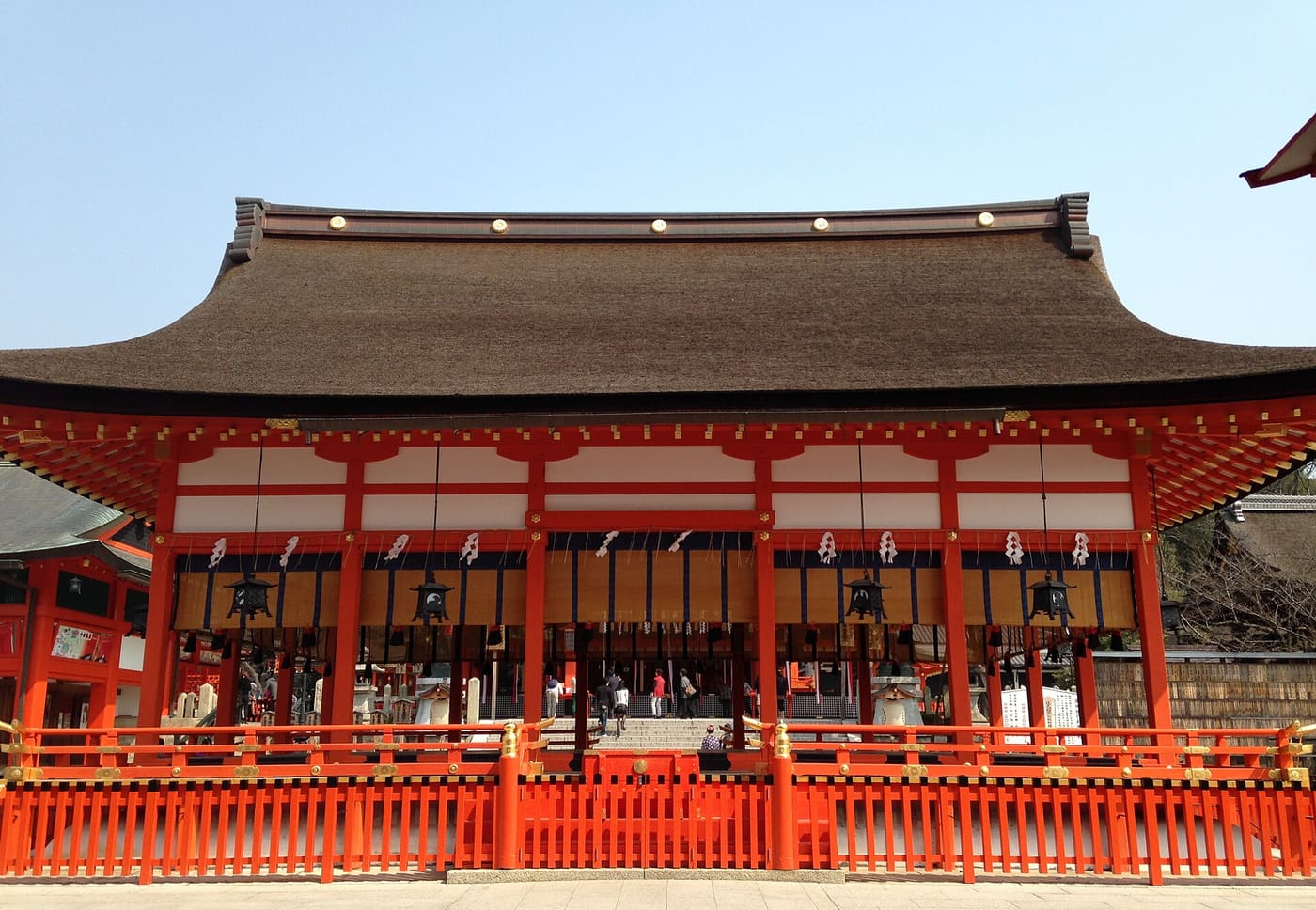
Fushimi Inari Taisha: Hours, Hike, Access and Timing
Fushimi Inari Taisha is open every day, and the 233 m Mt Inari path runs past thousands of torii. How to get there, the hike, rules and the festival calendar.
What's on in Kyoto: November 2026 · December 2026 · January 2027 · February 2027 · April 2027 · July 2027
Month guides: Kyoto in December · Kyoto in January
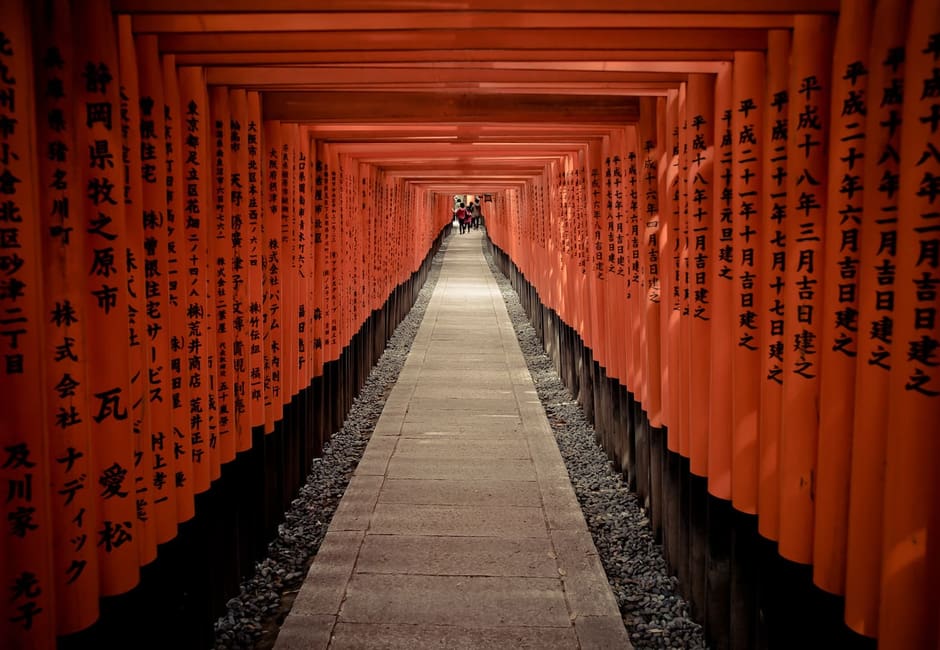
Fushimi Inari Taisha is a mountain shrine, and the guides agree on how to see it. Start early (16 of 18 guides read), walk through the vermilion gates, and decide at the halfway viewpoint whether to finish the loop. From Kyoto Station it’s two stops on the JR Nara Line to Inari Station, which stands right next to the shrine. The full path climbs a 233 m mountain, and 17 of the 18 guides put the whole loop at about 2 to 3 hours.
Go early
Recommended by 16 of 18 guides read.
The shrine’s pages publish no opening hours for the grounds, and the guides treat it as a place you can visit at any hour. Most name before 8:00 as the best window, and the lower gates are busiest from late morning to mid-afternoon. Crowds thin as you climb, with the biggest drop in the first 10 to 20 minutes above the main gate tunnels. Six guides say to avoid New Year, public holidays and the autumn peak, and the shrine’s own notices are worth a check before then.
How to get to Fushimi Inari
JR Nara Line named by 13 of 18 guides read, Keihan by 11.
The shrine recommends public transport, because the car parks around it fill up fast.
- JR Nara Line to Inari Station. The station is right next to the shrine. The shrine says it’s 2 stations and about 5 minutes from Kyoto Station, and the Kyoto City Tourism Association says about 9 minutes. Rapid and local trains stop at Inari. See Kyoto passes if you’re comparing fares.
- Keihan Main Line to Fushimi-Inari Station. It’s a 5-minute walk east to the shrine. From Gion-Shijo the trip takes about 22 minutes, and limited expresses don’t stop there.
- City Bus South 5. It stops at Inari Taisha-mae, then it’s a 7-minute walk. The tourism association suggests avoiding this bus, because its journey time can vary by more than 24 minutes.
- By car. It’s around 20 minutes from the Kyoto Minami interchange on the Meishin Expressway and around 10 minutes from the Kamitoba exit.
The shrine and the tourism association don’t list train fares, so check them with JR West or Keihan. If you’re coming from the airport, the airport to Kyoto guide covers the trains, and the Osaka to Kyoto guide covers the day-trip from Osaka.
The Senbon Torii and the lower shrine
Recommended by 11 of 18 guides read.
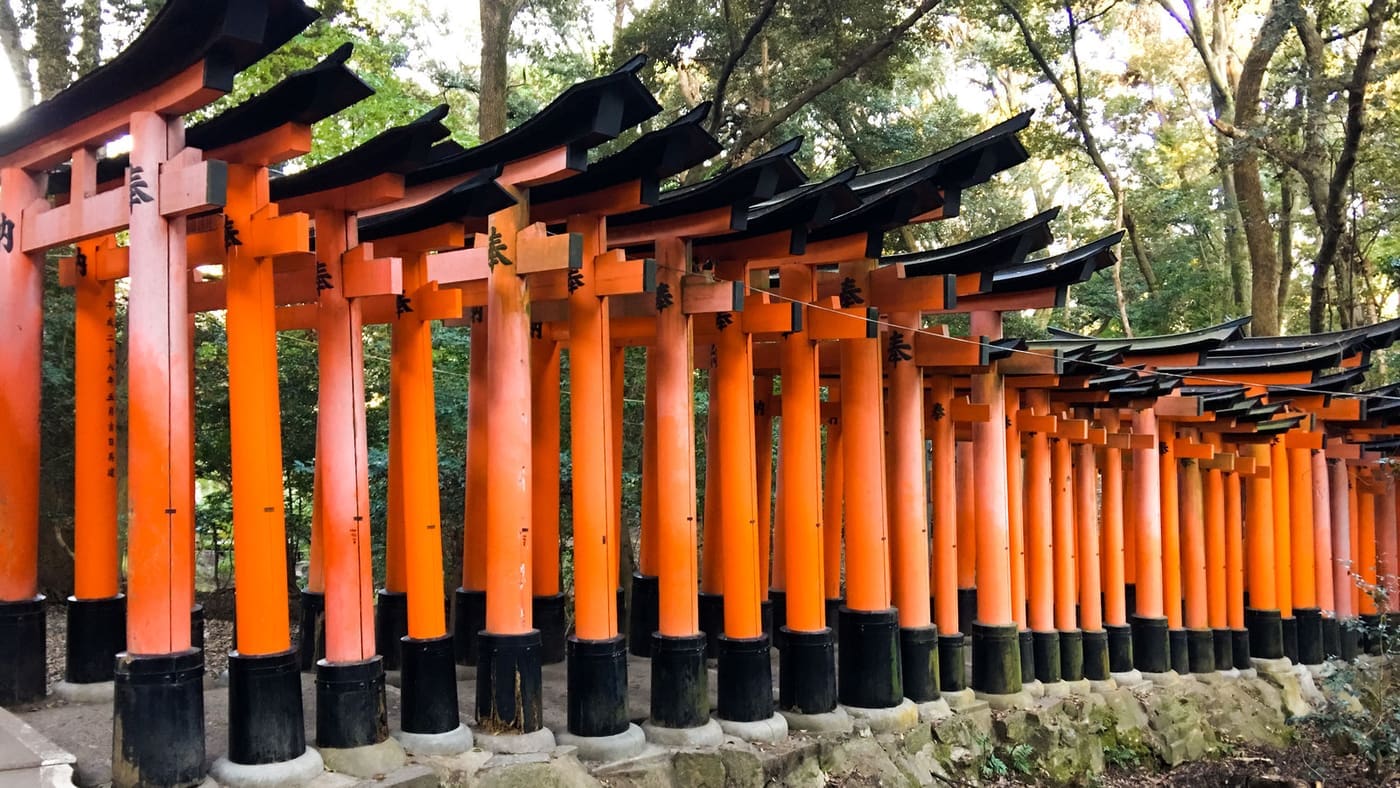
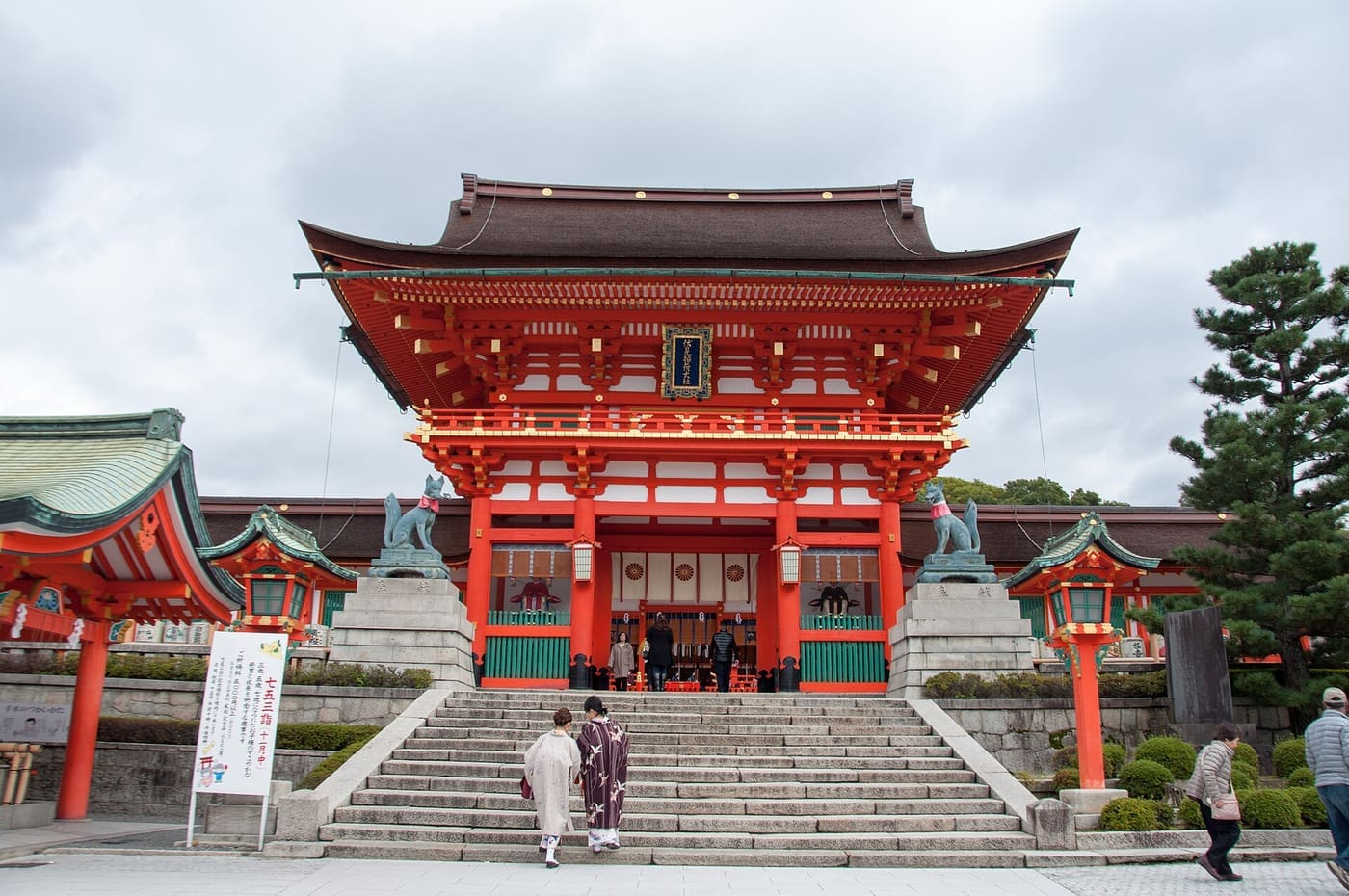
The outer hall and main buildings sit at the foot of the mountain, and the Senbon Torii, the densest stretch of gates, starts a short walk behind them. It leads to Okusha Hohaisho (Okuno-in), the shrine in the Myobu-dani valley. Six guides call Okusha the natural turnaround if you only have 30 to 60 minutes. Three mention the pair of lanterns at the back right, the omokaruishi, known for weighing your wish.
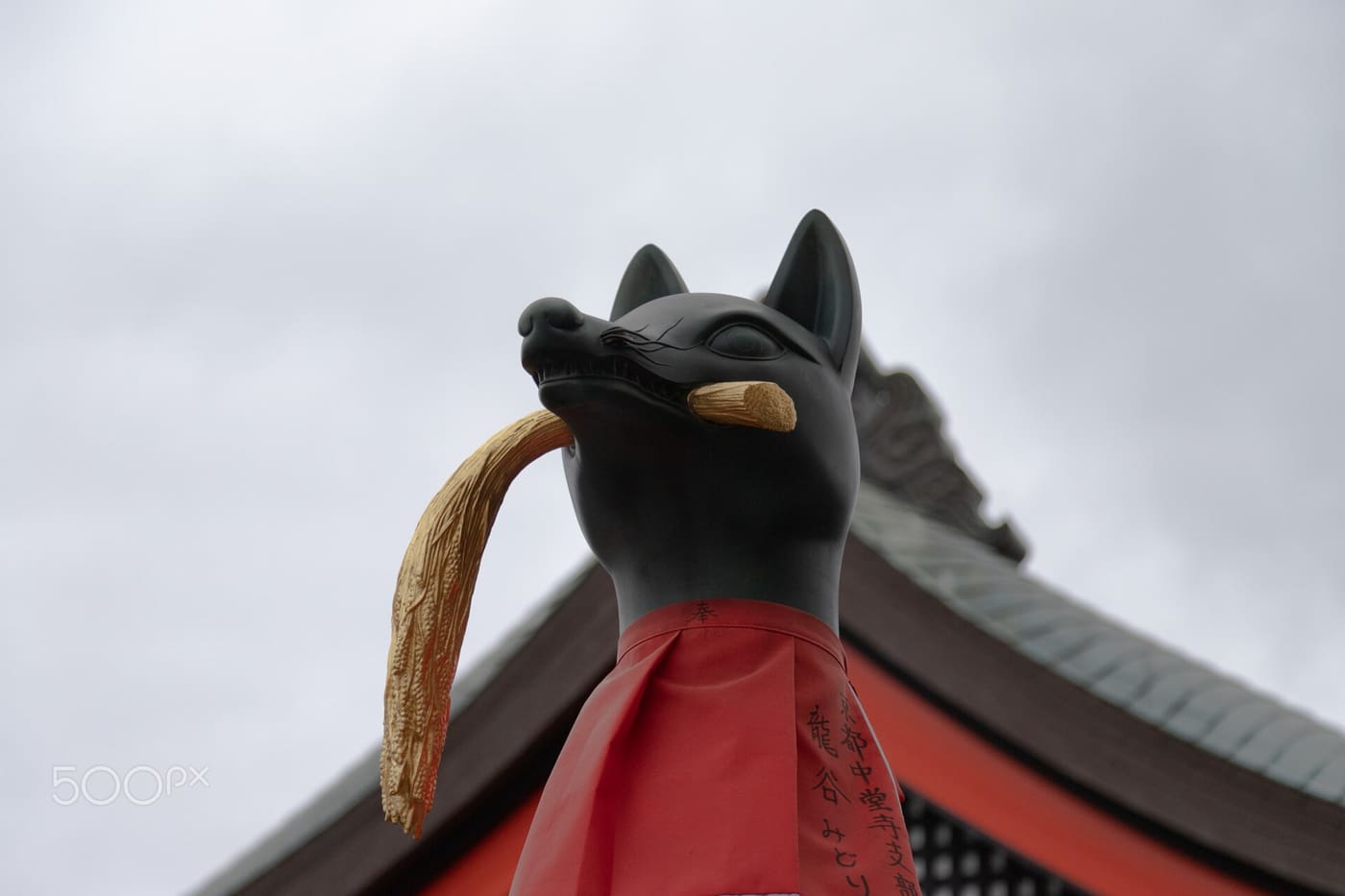
Fifteen of the 18 guides tell you to look for the fox statues, which the guides describe as messengers of Inari. Many hold a key, a jewel or a scroll in their mouths.
The hike up Mt Inari
Full loop recommended by 17 of 18 guides read. Yotsutsuji named by 13.
Mt Inari is 233 m high, according to the shrine, which also puts the number of torii along the mountain paths at around 10,000. The shrine doesn’t give a walking time. The guides do, and they agree closely:
- Shrine and Senbon Torii: about 30 to 60 minutes.
- Yotsutsuji: the halfway crossroads, about 30 to 45 minutes up, with the main view over southern Kyoto. A round trip takes about 1.5 to 2 hours.
- The full loop: about 4 km and 2 to 3 hours, mostly stone steps.
Six guides say the summit itself has no view, and that Yotsutsuji is the better place to stop unless you want the hike. If you go on, the upper path has fewer people and passes small shrines and tea stalls. Wear shoes with grip and carry water (9 guides). Shops and vending machines thin out the higher you go.
Evening visits
Named by 9 of 18 guides read.
The lower gates are lit and far less crowded after dark, and the guides say shops and food stalls close. Above Yotsutsuji the path is unlit, so carry a light and keep an evening climb short.
Rules at the shrine
Named by 6 of 18 guides read.
The shrine’s Request for All Visitors page asks you to follow these rules:
- No smoking or open flames, and no drones.
- No eating or drinking outside the designated free rest areas, including while walking or standing.
- No sitting on the ground or shouting, and no blocking narrow paths to take photos.
- No pets except guide dogs and other necessary animals, and no feeding wild birds or animals.
- No entering restricted areas, including the main hall, and no placing objects on lanterns.
- No commercial photography, and no wedding dresses or clothes unsuitable for worship.
- No parking in the shrine’s car parks if you aren’t visiting.
Festivals
The festivals change what the shrine is like. The dates below come from the shrine’s festivals page, which gives rules for the movable dates, not the 2027 dates, so check the shrine before you plan around one.
- Saitan-sai (New Year). At 6:00 on 1 January. See events in January.
- Hatsuuma Taisai. At 8:00 on the first Day of the Horse in February. See events in February.
- Inari-sai. The Shinko-sai is at 11:00 on the Sunday closest to 20 April, and the Kanko-sai is at 16:00 on 3 May.
- Motomiya-sai. At 9:00 on the first Sunday or holiday in July after Doyo, with the evening service the day before at 18:00. See events in July.
- Hitaki-sai. At 13:00 on 8 November, when wooden prayer tablets are burned, with Mikagura at 18:00. See events in November.
- Shinjo-sai. At 10:00 on 23 November.
What to see nearby
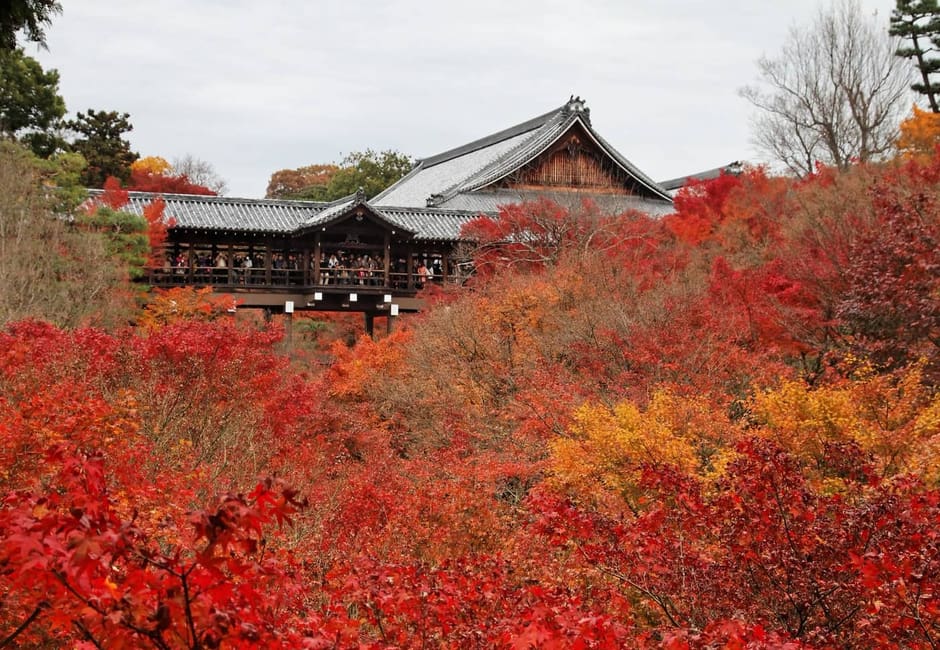
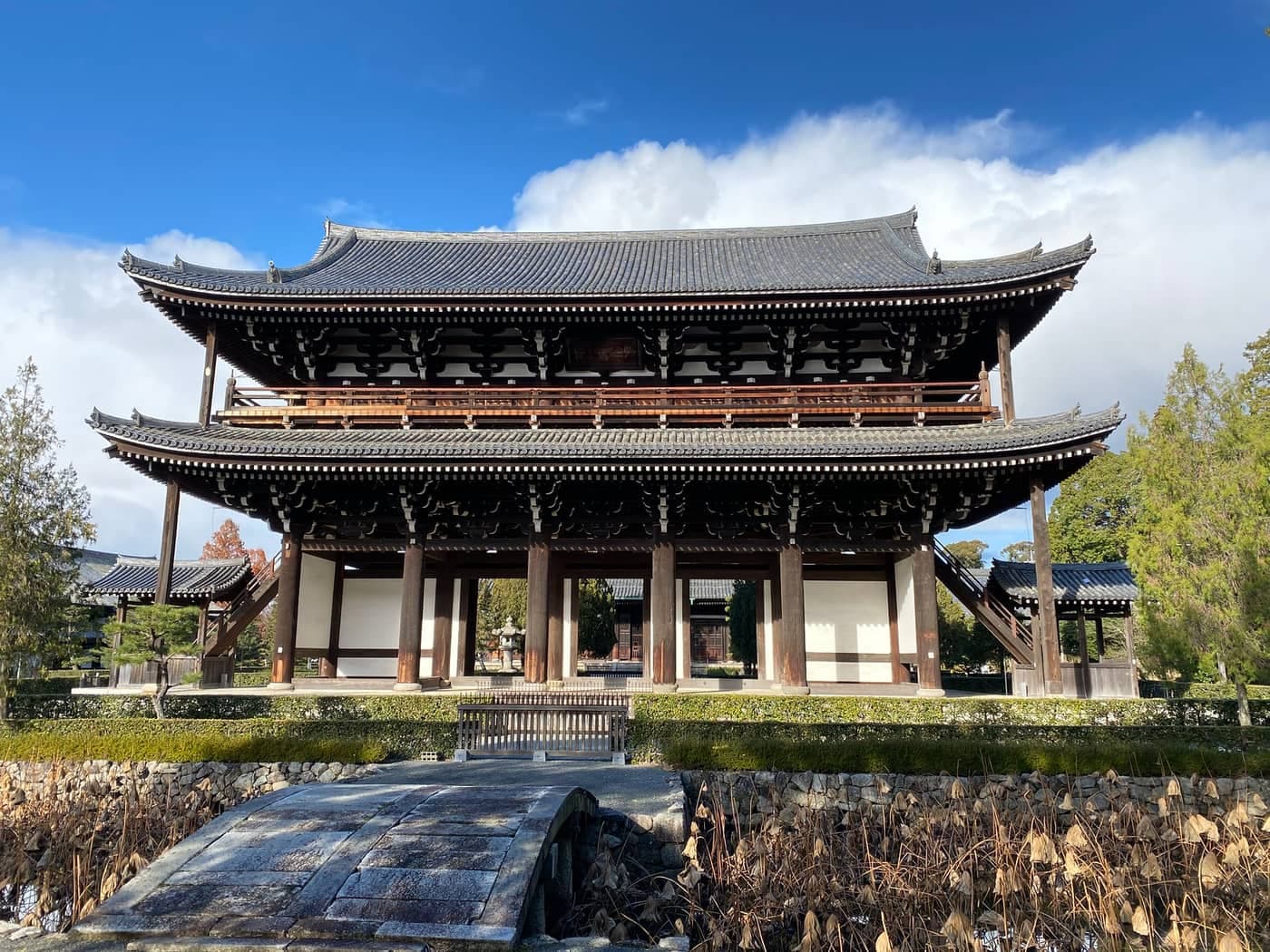
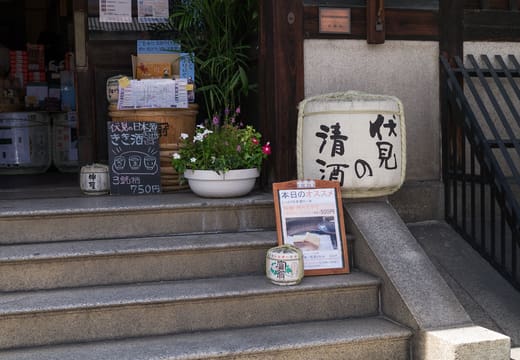
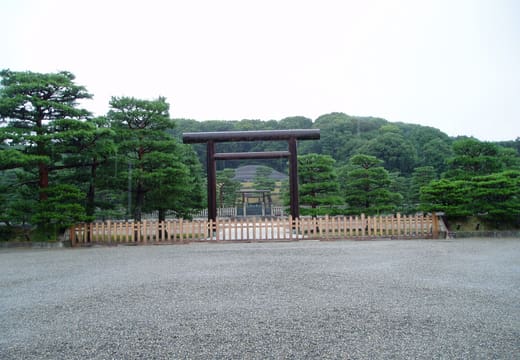
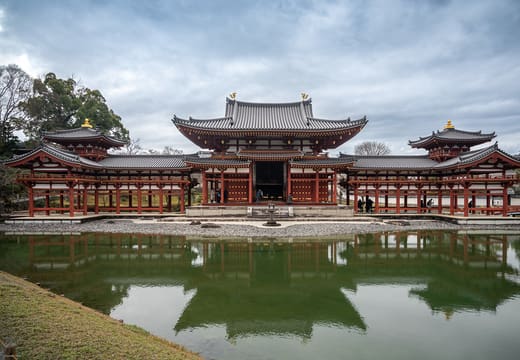
Tofuku-ji is the most common pairing (6 of 18 guides), and it sits on the same JR line. A few guides start the hike from behind Tofuku-ji and take a bamboo path with fewer visitors to the main trail. The Fushimi sake district is a canal-side area of old breweries (3 of 18), and Fushimi Yume Hyakushu is a lunch stop. Fushimi Momoyama Mausoleum is a quieter walk. Two guides also pair the shrine with Uji and Byodo-in on the same JR line.
For the rest of the city, see the Kyoto itinerary, how many days in Kyoto and things to do in Kyoto. The weather by month guide and the best time to visit Kyoto cover the seasons. If you’re choosing a base, where to stay in Kyoto compares the areas.
Frequently Asked Questions
Is Fushimi Inari open 24 hours?
The shrine’s pages publish no grounds hours, and the guides treat it as a place you can visit day or night. Services such as prayer requests keep set hours, so check the shrine.
How do I get to Fushimi Inari from Kyoto Station?
Take the JR Nara Line two stops to Inari Station. It’s about 5 to 9 minutes, and the station is right next to the shrine.
How long does it take to hike Fushimi Inari?
The shrine doesn’t publish a time. The guides put the full loop at 2 to 3 hours, and a round trip to Yotsutsuji at about 1.5 to 2 hours.
How tall is Mt Inari?
233 m, according to the shrine.
How many torii gates does Fushimi Inari have?
The shrine says around 10,000 along the mountain paths.
Is there an entry fee for Fushimi Inari?
The shrine’s pages don’t list one.
Can I take photos at Fushimi Inari?
Yes for personal photos, but the shrine bans commercial photography and asks you not to block narrow paths.
When is the best time to go to Fushimi Inari?
Early in the morning, before about 8:00, according to 16 of 18 guides. The festival days and New Year are the busiest.
Sources: 18 guides in English, Spanish, French and Japanese, and 6 official pages
Guides in English
- How to Avoid Crowds at Fushimi Inari Shrine [Daytime Hike]The Invisible Tourist
- Fushimi Inari Shrine Tips: Kyoto, Japan InfoTravel Caffeine
- Fushimi Inari TaishaThe Manduls
- Hike to the top of Fushimi InariWowi Walkers
- Fushimi Inari Shrine: Hiking Kyoto's Thousand Torii GatesGoAsia
- Best Time to Visit Fushimi Inari Shrine, How to Avoid Crowds, Hike and MoreSwagachi
- Fushimi Inari hikeInside Kyoto
- Fushimi Inari Guide 2026: JR Access, Torii & Hiking Routestodolist-japan
- Fushimi Inari Taisha, Kyoto: Hike Times, Crowds and AccessExplore Japan Daily
- Fushimi Inari Hiking Time Guide: Routes, Crowds & Night Visit TipsOne Day Away
- The Fushimi Inari Hike: Distance, Time, and Viewpointkyotofushimiinari.com
- Fushimi Inari Shrine Kyoto: Complete Hike GuideEATMONO
- Fushimi Inari Taisha: What Actually Happens If You Walk to the Very TopWhat's Up Courtney
- Fushimi Inari Hike: How Long It Takes, How Far to Gofushimiinaritaisha.com
- Fushimi Inari Hike: Essential Tips Before You GoJapan Trip Calculator
Guides in Spanish
- ¿Cuánto se tarda en subir el Fushimi Inari?Felices Vacaciones
Guides in French
Guides in Japanese
- 伏見稲荷大社の所要時間とモデルコースbanzokubiology
Official pages
- Fushimi Inari Taisha, official site (address, Mt Inari)inari.jp
- Fushimi Inari Taisha, accessinari.jp
- Fushimi Inari Taisha, request for all visitorsinari.jp
- Fushimi Inari Taisha, festivals and eventsinari.jp
- Fushimi Inari Taisha, FAQ (torii count)inari.jp
- Kyoto City Tourism Association, comfortable access to Fushimi Inari Taishakyoto.travel
Places in this guide
Photos show the actual places, licensed under Creative Commons and credited to their photographers.
Find hotels in Fushimi
Browse live availability and compare prices for your dates.
See hotels near Fushimi on Booking.comPrices are for the night of Saturday 21 November. You can change the dates on Booking.com. If you book, Roam Kyoto earns a small commission from Stay22 at no extra cost to you.