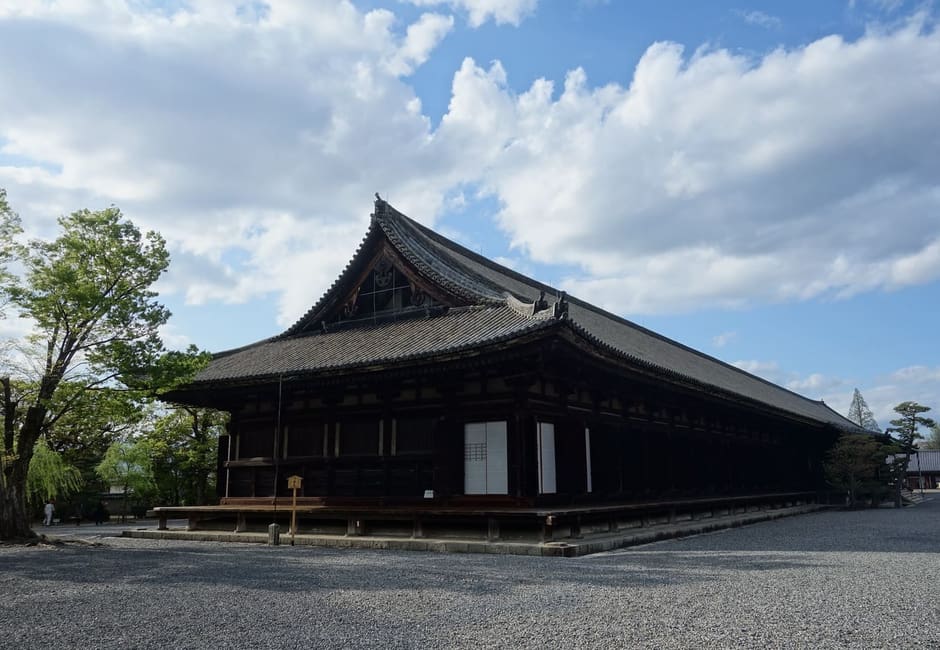
Sanjusangendo, Kyoto: Hours, Entry Fee and the 1,001 Statues
Sanjusangendo costs 600 yen and is open every day, 9:00 to 16:00 from 16 November and 8:30 to 17:00 from April. Winter hours, how to get there, what to see and what to pair it with.
The short answer. Sanjusangendo is open every day and costs 600 yen for adults. From 16 November to 31 March it’s open 9:00 to 16:00, and from 1 April to 15 November it’s 8:30 to 17:00. Last entry is 30 minutes before closing. Inside the 120 metre hall stand 1,001 statues of the thousand-armed Kannon, and Roam Kyoto’s place data puts a visit at about 45 minutes. Take City Bus 100, 206 or 208 from Kyoto Station to Hakubutsukan Sanjusangendo-mae, which is about 10 minutes by the temple’s own estimate.
The temple’s own pages supply the hours, fees and access below. Roam Kyoto is a data platform as well as a guide: put your dates into the map and it shows what’s on in Kyoto that week, read from organisers’ own pages.
Hours and entry fee
The temple’s visiting page gives two seasons. The winter hours began on 16 November, and its news page notes the change from November.
| Season | Hours | Last entry |
|---|---|---|
| 1 April to 15 November | 8:30 to 17:00 | 30 minutes before closing |
| 16 November to 31 March | 9:00 to 16:00 | 30 minutes before closing |
The temple says it’s open year round with no closing day.
| Ticket | Price |
|---|---|
| Adult | 600 yen |
| Junior and senior high school students | 400 yen |
| Elementary school students | 300 yen |
Group rates (25 people or more) are 50 yen lower in each class. A Japanese disability certificate halves the fee for the holder and one companion. The ticket office is at Fumon-kaku, the gate building.
Getting there
The temple’s access section lists two ways to arrive.
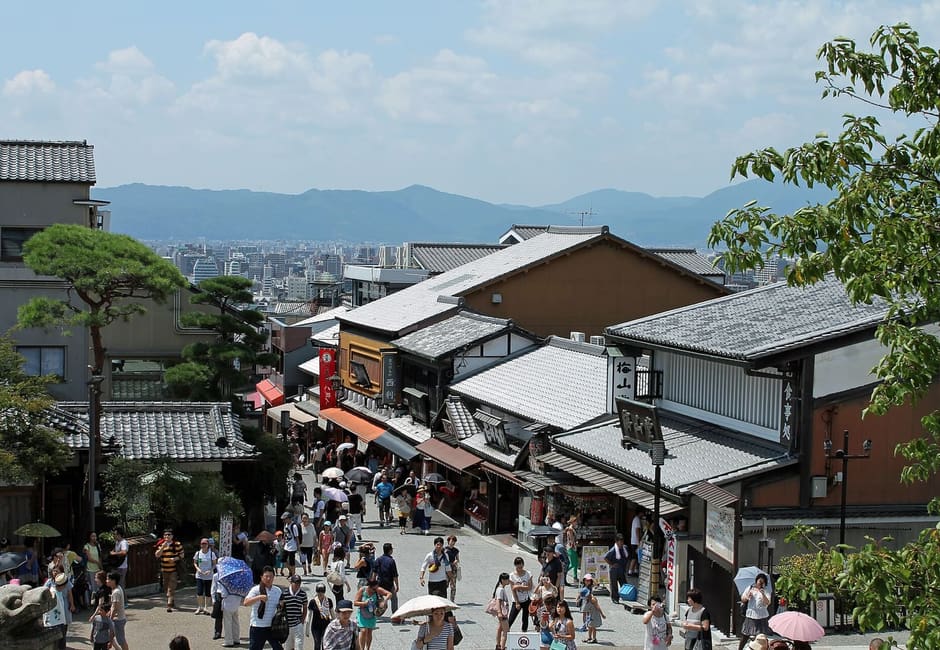
- Bus. Get off at Hakubutsukan Sanjusangendo-mae. City Buses 100, 206 and 208 run from Kyoto Station and take about 10 minutes, though the temple says time varies with traffic.
- Train. Keihan Shichijo Station, exit 2, is about 7 minutes on foot.
The address is 657 Sanjusangendo-mawari-cho, Higashiyama-ku, Kyoto 605-0941. It’s in the Higashiyama area, south of Kiyomizu-dera. There’s a car park for about 50 vehicles, and the temple doesn’t take parking reservations. For fares and passes, see Kyoto transport passes.
What you’ll see
The temple’s formal name is Rengeo-in. The main hall is about 120 metres long from north to south, was rebuilt in the Kamakura period and is a National Treasure. The temple says it was first built in 1164 on the retired emperor Go-Shirakawa’s palace grounds. The 1,001 statues are the thing to see, with a seated Kannon at the centre and 1,000 standing figures. The temple says all of them are National Treasures, as are the 28 guardian deities and the Wind and Thunder gods. Since 2018 all 1,001 have been back in the hall together.
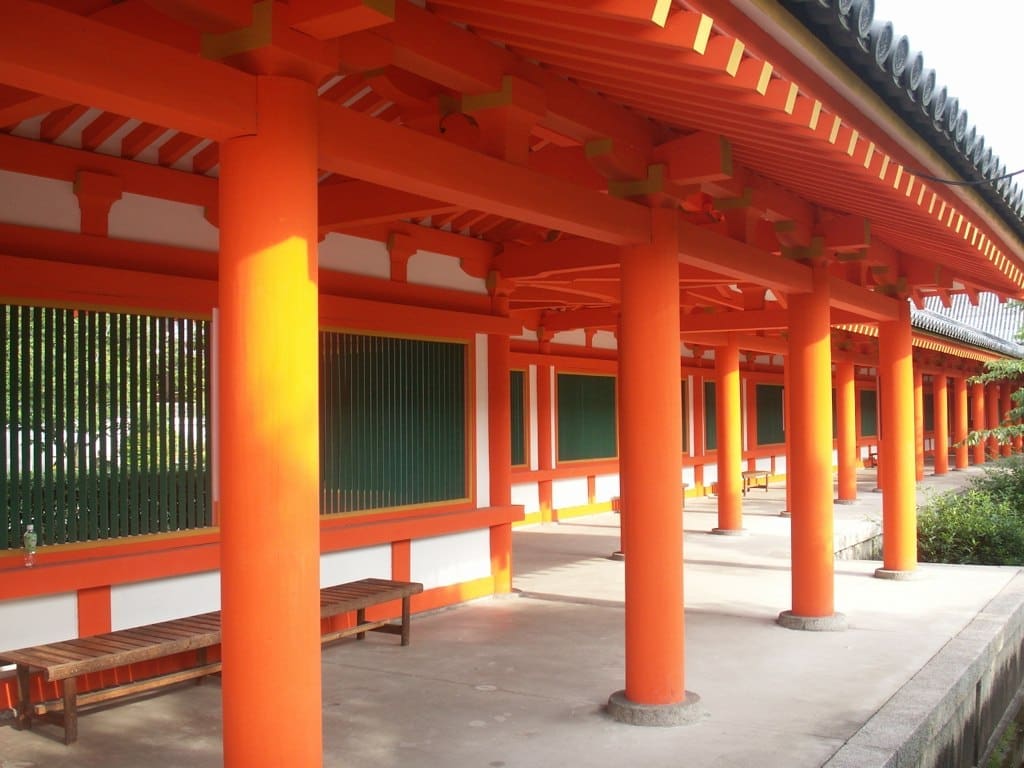
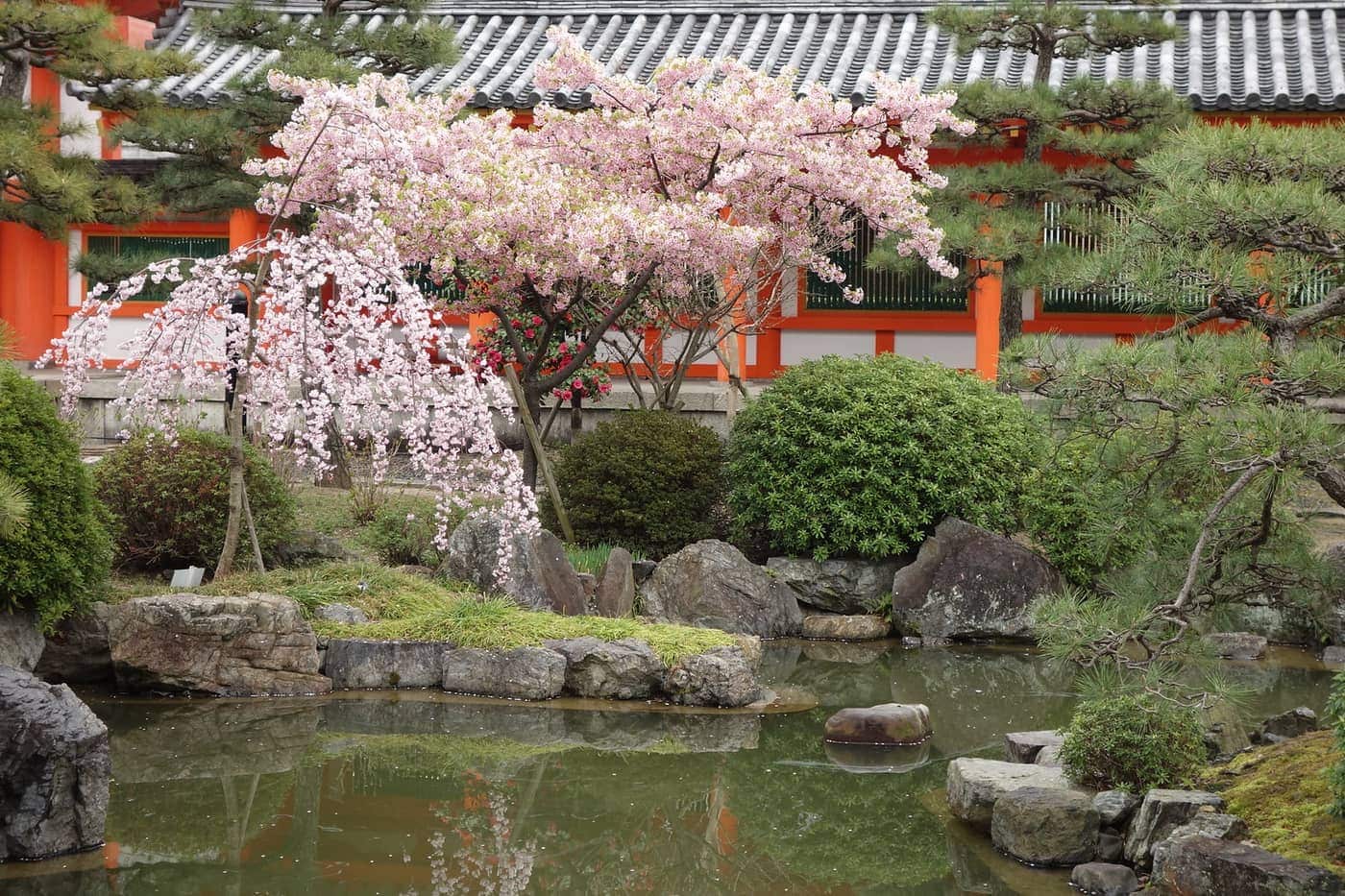
Inside the hall there’s a touch-screen monitor at the back of the walkway where you can look up each of the standing Kannon by name and face. The grounds also hold a pond garden that the temple says was laid out in 2021, and the Momoyama-period south gate.
Rules and practical points
- Shoes. Shoes aren’t allowed in the main hall. Racks stand at the entrance.
- Access. There are ramps along the walkway inside the hall and in the grounds. The temple lends wheelchairs and has accessible toilets in the grounds and car park.
- Photos. The temple’s site sets rules on using images of the hall and its statues, so check its pages for what’s allowed inside before you take a camera in.
Pair it with
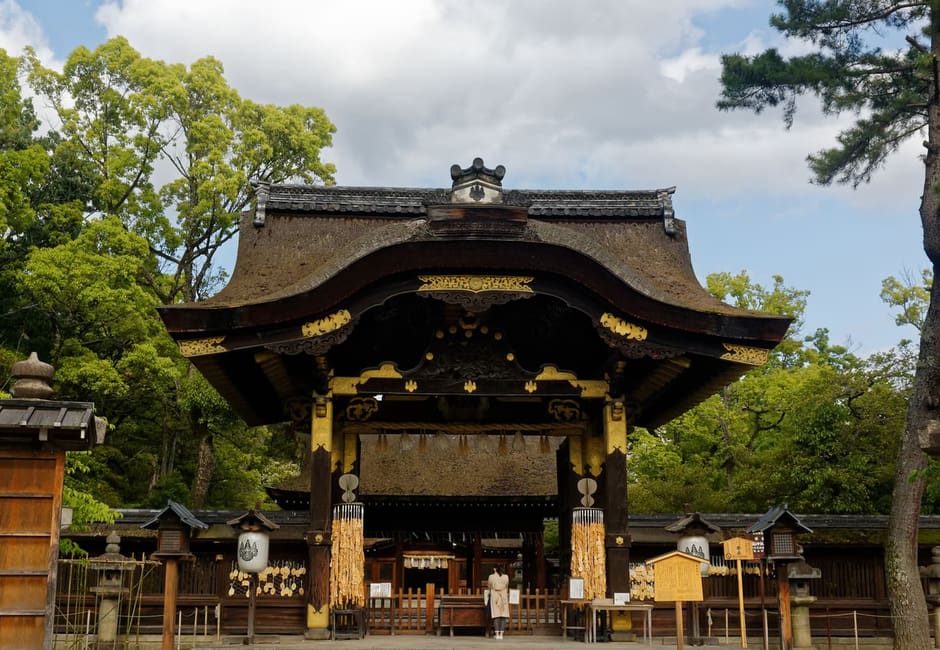
- Toyokuni Shrine. Toyokuni Shrine uses the same bus stop and has the Karamon gate.
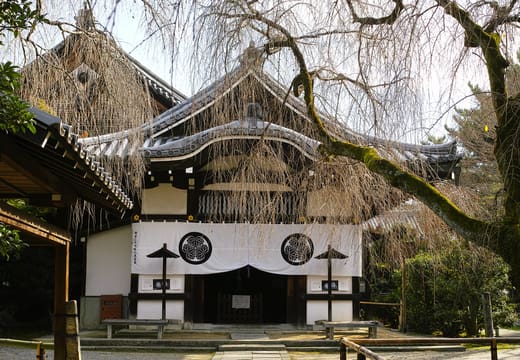
- Yogen-in. Yogen-in is next to the hall. It opens on irregular days, so check its own site first.
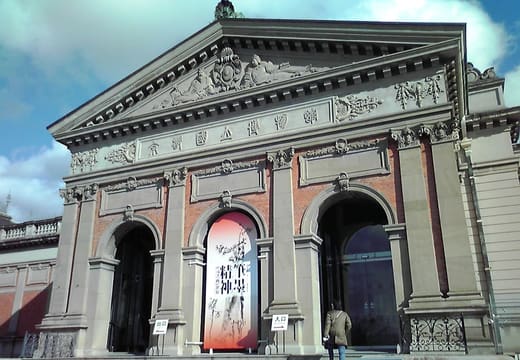
- Kyoto National Museum. The museum shares the bus stop. It’s closed Mondays, or the Tuesday instead when Monday is a national holiday.
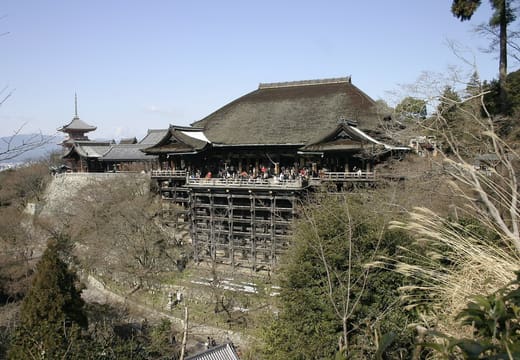
- Kiyomizu-dera. Kiyomizu-dera is the next big stop to the north-east. See the Kiyomizu-dera guide.
- Planning. Things to do in Kyoto lists the rest by area, and the Kyoto itinerary shows where it fits. To stay nearby, see where to stay near Kyoto Station. Check events in Kyoto for what’s on while you’re there.
FAQ
What are Sanjusangendo’s opening hours?
9:00 to 16:00 from 16 November to 31 March, and 8:30 to 17:00 from 1 April to 15 November. Last entry is 30 minutes before closing, and it’s open every day.
How much does Sanjusangendo cost?
600 yen for adults, 400 yen for junior and senior high school students and 300 yen for elementary school students.
How long do you need?
About 45 minutes for the hall and a look round the grounds, per Roam Kyoto’s place data.
How many statues are there?
1,001 statues of the thousand-armed Kannon, one seated and 1,000 standing.
How do you get there from Kyoto Station?
City Bus 100, 206 or 208 to Hakubutsukan Sanjusangendo-mae, about 10 minutes. Keihan Shichijo Station is about 7 minutes on foot.
Can you wear shoes inside?
No. Take them off at the racks at the hall’s entrance.
Places in this guide
Photos show the actual places, licensed under Creative Commons and credited to their photographers.
Find hotels in Higashiyama
Browse live availability and compare prices for your dates.
See hotels near Higashiyama on Booking.comPrices are for the night of Saturday 21 November. You can change the dates on Booking.com. If you book, Roam Kyoto earns a small commission from Stay22 at no extra cost to you.